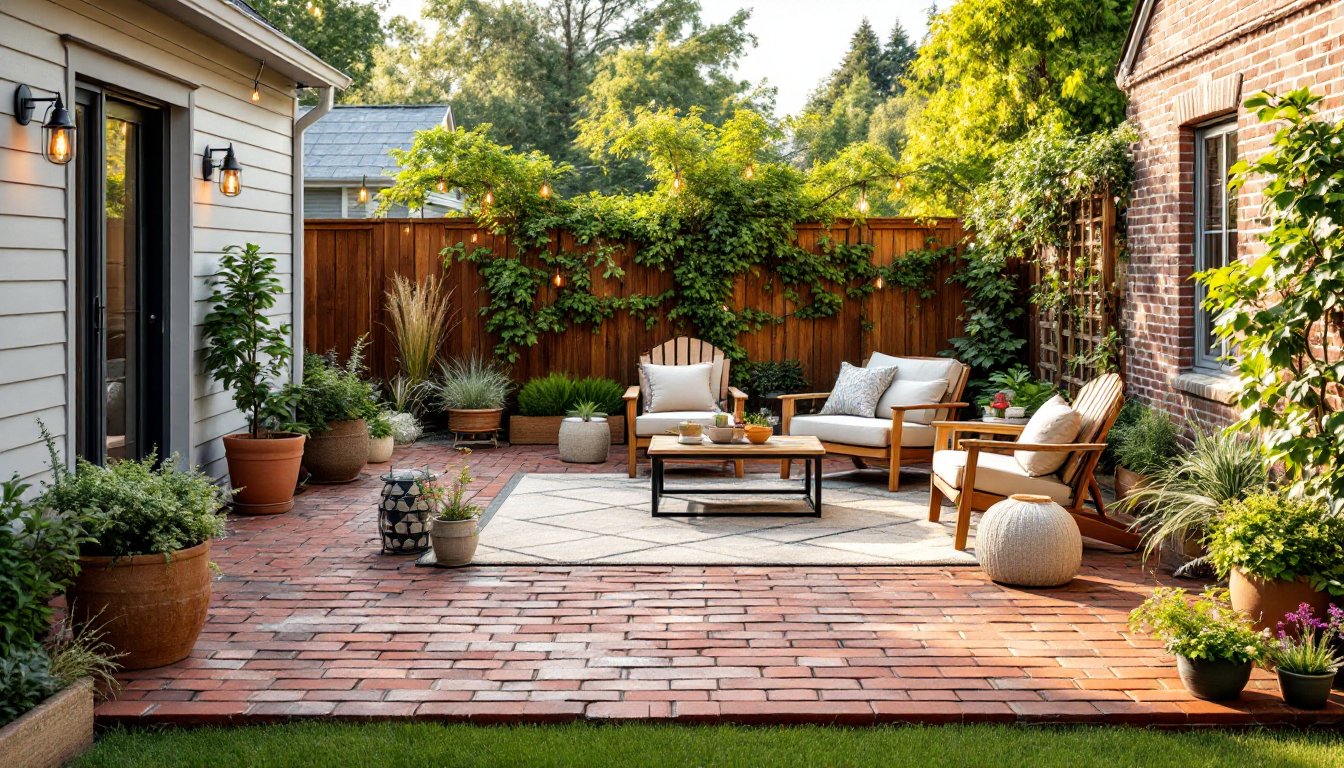
Patio string lights are a practical and transformative way to extend the usability of your outdoor space into the evening hours. Whether you’re hosting a summer gathering or creating a quiet retreat for personal relaxation, the right lighting setup changes both the ambiance and functionality of your yard. This guide walks through the main styles available, from classic bistro lights to modern minimalist arrangements, and covers the installation fundamentals you’ll need to execute the project confidently. You’ll learn which options suit different spaces, how to hang them safely, and what to expect during installation.
Table of Contents
ToggleKey Takeaways
- Patio string light ideas fall into four main styles—bistro, Edison, globe, and minimalist—each offering distinct aesthetics from timeless elegance to modern appeal.
- LED bulbs are the safest and most practical choice for patio string lights because they run cooler, consume less power, and eliminate fire hazards near plants.
- Proper anchor points spaced 10–15 feet apart and gentle catenary curves (sag) ensure stable installation and prevent bulb damage over time.
- Always use GFCI-protected circuits and outdoor-rated extension cords to prevent electrocution risks and ensure electrical safety in wet environments.
- Café and ambient lighting arrangements work best when layered with overhead lights and spaced at least 8 feet above ground to create inviting, conversation-friendly patios.
Classic Bistro Lights for Timeless Elegance
Bistro lights, sometimes called café lights or market lights, feature small, round incandescent or LED bulbs spaced evenly along a wire. They’re one of the most versatile options for residential patios because they work in nearly any setting, from urban balconies to suburban yards.
These lights typically come on strings ranging from 25 to 100 feet, with bulb spacing of 12 to 18 inches. Standard bistro bulbs are G40 or G50 (40mm and 50mm diameter), though smaller G30 versions exist for tighter arrangements. Most DIYers prefer LED bistro strings because they run cooler, draw less power, and don’t generate heat near plants or structures.
For installation, you’ll need a sturdy anchor point every 10–15 feet along the run. This might be a pergola beam, fence post, or wall-mounted hook. Bistro lights work best when strung in gentle catenary curves, that natural sag between anchor points, rather than pulled tight. A typical residential patio string (50 feet) will use about 1.5 to 2 inches of sag per foot of horizontal run.
Bistro lights are available in warm white (2700K–3000K color temperature), daylight, and RGB (color-changing) versions. Warm white is the default for most patios because it mimics traditional incandescent bulbs and flatters outdoor décor. Always confirm the total wattage draw before plugging in, most bistro strings stay well under 100 watts, but daisy-chaining multiple strings requires a power supply rated for the combined load.
Edison Bulb Strings for Vintage Charm
Edison bulbs bring a distinctly vintage, industrial aesthetic to outdoor spaces. Unlike the small round bistro bulbs, Edison bulbs are large (typically 2 to 3 inches tall), have visible filaments, and sit in E26 (standard) or E17 (intermediate) sockets. They’re heavier and draw more power than bistro equivalents, so the installation approach differs.
Edison strings usually come in shorter lengths, 25 to 50 feet, because the bulbs are heavier and require more robust support. Each bulb weighs 1 to 2 ounces, so the wire itself must be thicker and more tensioned than a lightweight bistro string. You’ll also need sturdy anchor points capable of holding tension: a wooden pergola, heavy-duty wire strung between posts, or professional-grade eye bolts in masonry work well.
These bulbs are available in clear glass (showing the filament) or amber tint. Clear glass shows the glow more dramatically at night, while amber glass diffuses light and reduces glare. Most Edison bulbs operate at 2200K–2700K, delivering a warm, nostalgic glow. Incandescent Edison bulbs run hot and can be a fire hazard near foliage, so LED Edison bulbs are the smarter choice for most DIY patios.
Globe Lights and Their Design Versatility
Globe lights are a middle ground between bistro and Edison bulbs. They’re spherical, typically 2 to 2.5 inches in diameter, and available in clear, frosted, or colored glass. They produce gentler light spread than Edison bulbs while maintaining a stylish presence.
Globes come in warm or cool white and are often sold in shorter strings (25–40 feet) with wider bulb spacing (18–24 inches). They pair well with modern or transitional patios where you want visual interest without the heavy industrial vibe of Edison bulbs. Installation is similar to bistro lights: even spacing, gentle sag, and anchor points every 10–15 feet. Frosted globes reduce glare and distribute light more evenly than clear versions, making them ideal if you’re sitting directly under the string.
Creating Ambient Warmth With Cafe Lights
Café lights and bistro lights are often used interchangeably, though café lights sometimes refer to string versions with wider bulb spacing and warmer color tones. The goal with café lighting is layered, soft illumination that encourages lingering and conversation.
For maximum ambient effect, space your café light string at least 8 feet above ground level and run it in gentle swoops across your patio. A 50-foot string hung in a wave pattern across a 30 × 20-foot deck creates far more visual interest and light distribution than a single straight run. If your patio has a pergola or overhead trellis, weaving the string back and forth creates a canopy effect and maximizes light coverage.
Power consumption is minimal with modern LED café lights, a typical 50-foot string draws 5–8 watts. This means you can safely daisy-chain two or three strings on a single outdoor-rated GFI outlet (Ground Fault Interrupter). Always use an outdoor extension cord rated for wet locations: standard cords deteriorate quickly in sun and moisture.
Café lighting works best when combined with overhead ambient light rather than as your only patio illumination. Consider how the string interacts with nearby house lights, landscape lighting, or a fire pit. The goal isn’t brightness but rather a cohesive, inviting glow that extends into evening without harsh shadows or dark zones.
For a practical reference on café and café-style options, explore outdoor string lights to see how professionals approach layering and placement.
Modern Minimalist String Light Arrangements
Minimalist string light setups embrace clean lines, sparse bulb placement, and monochromatic color schemes. Instead of a dense bistro string, this approach uses fewer bulbs at wider intervals, often 24 to 36 inches apart, on thinner, less visible wire.
Common modern configurations include a single long run from one corner to a pergola peak, creating a dramatic diagonal line. Alternatively, parallel lines strung between two posts create geometric frames. These setups work especially well with contemporary homes that have clean architectural lines.
LED technology is essential for minimalist design because the bulbs themselves are smaller and the wire gauge is thinner. Minimalist strings often feature flat filament or linear LEDs that glow internally without pronounced fixtures. Cool white (4000K–5000K) or even cool daylight versions suit modern aesthetics better than warm white.
Installation requires precision and tension. Unlike the forgiving sag of a bistro run, minimalist strings are often pulled relatively tight to emphasize geometry. Use heavy-duty cable clamps at anchor points and ensure the wire itself, usually stainless steel or coated aircraft cable, can handle sustained tension without degrading. This is one scenario where a second pair of hands and a level are non-negotiable.
For design inspiration and options aligned with contemporary styles, check the best outdoor string lights guide, which includes modern minimalist selections alongside other approaches.
Installation Tips and Safety Considerations
Pre-Installation Planning
Before buying anything, sketch your patio layout and measure the distances where you plan to run the string. Note the location of existing outlets, nearby trees or structures, and any obstacles. If your nearest GFCI outlet is more than 25 feet away, budget for an outdoor-rated extension cord.
Always use GFCI-protected circuits for outdoor electrical connections. Standard household outlets aren’t designed for wet environments: a GFCI outlet automatically cuts power if it detects a ground fault, preventing electrocution risk. If your outdoor outlet isn’t GFCI-protected, install a GFCI adapter before plugging in the lights.
Anchor Points and Load Bearing
String lights don’t generate much load compared to a swing or pergola, but improper anchoring causes sagging wires, bulb damage, and an unstable installation. Each anchor point should support at least 10 pounds of tension. This rules out vinyl siding or weak fence slats: instead, anchor to wooden posts, pergola beams, house framing, or masonry.
For wooden posts, use stainless steel lag bolts or eye bolts, sized for the application. A standard 3/8-inch eye bolt driven into a 4×4 post is more than adequate. For masonry, drill a lead-sleeve anchor hole and install a bolt rated for masonry. Avoid fastening directly to roof eaves or fascia without confirming structural framing underneath.
Wire and cable hardware matters. Stainless steel won’t rust: galvanized steel will eventually corrode in harsh climates. Avoid aluminum, it doesn’t hold up under tension over time.
Hanging the String
- Install all anchor points first. Confirm they’re level and aligned using a string line or laser level.
- Hang the string light loosely to confirm the run works as planned. Don’t plug it in yet.
- Secure the string at each anchor point using cable clamps or heavy-duty hooks. Use at least two attachment points per anchor to prevent rotation or slipping.
- Step back and check sag and spacing. Adjust as needed before final tightening.
- Plug in and test all bulbs. Replace any non-functional bulbs before declaring the project complete.
Safety and Maintenance
Always turn off the lights before working on the string. LED strings run cool, but some incandescent or halogen options can be hot to touch while illuminated. Wear work gloves and eye protection when installing hardware, especially if using power tools for drilling anchor holes.
Inspect the cord and bulbs for damage before each season. Replace any cracked bulbs, damaged wire insulation, or corroded hardware. Store strings properly in a dry location during off-season, don’t leave them tangled or exposed to freeze-thaw cycles.
For comprehensive home improvement guidance, consult The Spruce, which offers detailed tutorials and product reviews across outdoor projects and maintenance.
Conclusion
Patio string lights are an achievable upgrade that yields immediate, lasting impact. Whether you choose warm bistro lights for classic elegance, Edison bulbs for vintage flair, or a minimalist arrangement for modern appeal, the key is matching the style to your space and executing a safe, solid installation. Invest time in anchor points and electrical setup, that groundwork ensures years of trouble-free enjoyment. Once the lights are hung, the payoff is obvious: an outdoor room that feels intentional, inviting, and ready for evening gathering.