Your kitchen backsplash does more than protect your walls from splashes and stains, it’s one of the most visible focal points in the room. Whether you’re tackling a full kitchen renovation or just refreshing the space above your counters, choosing the right backsplash kitchen ideas can completely transform how your cooking area looks and functions. The beauty of a backsplash project is that it’s manageable for DIYers of varying skill levels, doesn’t require permits in most cases, and delivers an immediate visual impact. In 2026, backsplash trends lean toward both timeless classics and bold, personalized statements. This guide walks you through the best options, from subway tile to natural stone, peel-and-stick solutions, and eye-catching patterns, so you can pick an approach that matches your style, budget, and comfort level.
Table of Contents
ToggleKey Takeaways
- Backsplash kitchen ideas serve as a major visual focal point that transforms your cooking area while remaining a manageable DIY project for homeowners of varying skill levels.
- Classic subway tile is the gold standard due to its versatility, affordability ($1,200–$2,000 for professional installation), and forgiving running bond pattern that hides minor imperfections.
- Modern mosaic backsplashes and natural stone options like marble and granite deliver luxury and personality, though marble requires regular sealing and immediate spill cleanup to prevent staining.
- Peel-and-stick backsplash tiles offer a budget-friendly, renter-friendly solution ($0.50–$5 per square foot) that lets you test designs before committing to permanent installation.
- Bold, patterned backsplashes in jewel tones, Moroccan zellige, or contemporary geometric designs work best when installed in focused areas (stove or sink) paired with neutral cabinetry to avoid overwhelming the space.
- Investment in real tile for a backsplash is justified by durability and visual impact, making it an excellent area to allocate higher material costs compared to other kitchen surfaces.
Classic Subway Tile Designs
Timeless Appeal and Installation Basics
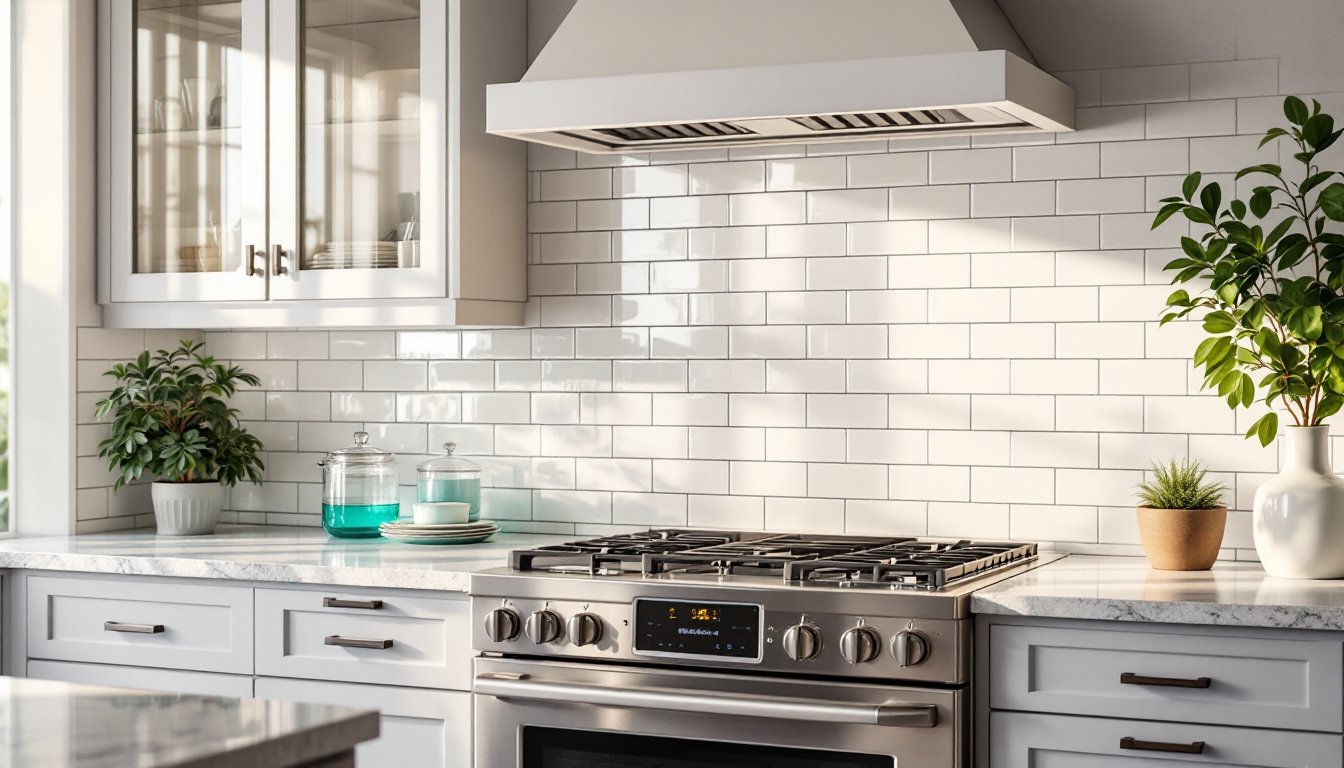
Subway tile remains the gold standard for kitchen backsplashes, and there’s a reason: it’s clean, versatile, and works with nearly any kitchen aesthetic. The standard subway tile measures 3 inches by 6 inches and comes in ceramic, porcelain, or glass. Ceramic is the budget-friendly pick, while porcelain holds up better in high-moisture zones and stands up to grease splatter without absorbing stains.
The traditional layout uses a running bond pattern, think bricks, where each row offsets by half a tile. This pattern is forgiving for DIYers because minor gaps and imperfections blend into the visual rhythm. If you’re planning a home renovation ideas project, subway tile is an excellent starting point because it’s easy to cut with a wet saw, and removal down the road is straightforward if you ever want to switch things up.
Installation steps are straightforward: prep the wall with a level surface, apply thin-set mortar with a 1/4-inch square-notch trowel, press tiles firmly into place, allow 24 hours for curing, then grout and seal. The trickiest part is keeping grout lines straight, invest in tile spacers (available at any home center) to maintain consistency. Grout comes in cement or epoxy: epoxy is pricier but resists staining and mildew better, making it ideal for kitchens. Plan on 3 to 4 hours for a standard 3-foot-by-4-foot backsplash, plus curing time.
White or light gray subway tile with contrasting grout (dark charcoal or black) is trending in 2026, but pale grout on pale tile offers a seamless, minimalist look. Matte finishes feel more contemporary than glossy, though glossy is easier to clean. If hiring a pro, expect labor costs between $1,200 and $2,000 for a standard kitchen: DIY cuts that in half if you handle the installation yourself.
Modern Mosaic Patterns
Creating Visual Interest With Mixed Materials
Mosaic backsplashes inject personality and movement into a kitchen. Unlike uniform subway tile, mosaics mix textures, colors, and shapes, think small hexagons, tiny glass pieces, or a blend of stone and ceramic. These tiles are often sold as pre-assembled mosaic sheets (typically 12 inches by 12 inches) that you install as a unit, making the process faster than laying individual small tiles.
Mixed-material mosaics often combine glass, natural stone, and metal accents. Glass tiles catch light beautifully, stone adds warmth and texture, and thin metal strips create definition. When choosing materials, confirm they’re all suitable for kitchen use, some natural stones (like marble) are porous and stain easily, so they need sealing. Glass is non-porous and durable, making it ideal for a backsplash near the sink.
Mosaic installation follows the same process as subway tile: thin-set, spacers, and grout. But, mosaic sheets require more patience because grout lines are tighter and you’re working with more pieces. Safety note: Always wear dust mask and eye protection when cutting mosaic tiles or sheets: glass pieces and stone particles are sharp. A wet saw with a fine blade minimizes chipping.
One design direction in 2026 is transitional mosaics, neutral tones (grays, taupes, soft blues) in random geometric patterns. This approach feels curated without being fussy. If you’re considering best home renovation ideas that include bold statements, a mosaic backsplash delivers impact while staying functional. Expect to spend $15 to $30 per square foot for quality mosaic sheets before installation labor.
Natural Stone and Marble Elegance
Natural stone backsplashes, marble, granite, slate, or travertine, bring luxury and authentic character to a kitchen. Marble is the showstopper, with its veined elegance and refined aesthetic. But, marble requires honest conversation about maintenance: it’s porous, stains easily, and acid from lemon juice, vinegar, or wine etches the surface. For a backsplash (not a worktop), the risk is lower since splashes dry quickly, but you’ll still need to seal it every 1-2 years and wipe spills immediately.
Granite and slate are tougher choices. Granite resists stains better than marble and offers dramatic speckled color. Slate is less refined but durable, with a rustic, earthy appeal, it’s an excellent pick if your kitchen leans industrial or farmhouse. Stone tiles come in various thicknesses: 3/8-inch and 1/2-inch are standard. Thicker stone (1-inch) creates dramatic visual weight but is heavier to install and may require reinforcement of your wall frame.
Installation is similar to tile, but stone requires careful sealing before grouting. Most natural stone comes pre-sealed from the supplier, but double-check. Use a neutral-color, pH-balanced grout designed for stone to avoid discoloration or etching. Thin-set mortar for stone is different from ceramic tile mortar, ask your tile supplier for stone-specific products.
Natural stone is a significant investment: $12 to $40+ per square foot before labor, depending on the stone type and quality. Installation labor can run $800 to $3,000 for a full backsplash. If budget is a concern, consider a natural stone accent band (a single row of marble or granite) combined with more affordable subway tile for a luxury touch without the full cost. This hybrid approach is gaining traction in home renovation strategies for stylish, cost-conscious homeowners.
Budget-Friendly Peel-and-Stick Backsplash Solutions
If you’re not ready to commit to permanent tile or your rental agreement limits structural changes, peel-and-stick backsplash tiles are a genuine game-changer. These self-adhesive tiles come in vinyl or composite materials and mimic the look of subway tile, marble, mosaic, or even wood. Installation is as simple as cleaning the wall, peeling the backing, and pressing the tile in place, no mortar, no wet saw, no grout.
Quality varies significantly. Budget options ($0.50 to $2 per square foot) may feel plastic-y and peel at corners within a year. Mid-range peel-and-stick tiles ($2 to $5 per square foot) from reputable manufacturers hold up reasonably well in kitchens if applied correctly. A few standout brands use thicker, textured materials that genuinely resemble real tile.
Prep is critical. The wall must be clean, dry, smooth, and oil-free. If your wall is textured, lightly sand it or apply a primer-sealer first. If moisture is a concern (near a sink), consider a moisture barrier before application. Start from the center and work outward to avoid air bubbles. Use a plastic squeegee or roller to press firmly and eliminate trapped air.
The trade-off: peel-and-stick won’t last as long as real tile (typically 5-10 years before edges lift or adhesive weakens), and removal can leave residue. But, they’re perfect for testing a design before committing to permanent installation, renting situations, or budget-conscious quick updates. For a small backsplash, this approach saves $500 to $1,500 in labor alone. Many designers at remodelista.com showcase peel-and-stick solutions for renters and quick refreshes, proving they’re legitimate design choices, not just band-aids.
Bold Colors and Patterned Tile Statements
If your kitchen style leans eclectic, farmhouse, Mediterranean, or maximalist, a bold-colored or patterned backsplash is your moment to shine. 2026 trends feature jewel tones, deep teals, emerald greens, sapphire blues, as well as warm terracottas and sunset oranges. Patterned tiles might include Moroccan zellige, Portuguese azulejos, or contemporary geometric designs.
The advantage of a statement backsplash is that it becomes the focal point, anchoring the entire kitchen’s color story. Pair a bold pattern with neutral cabinetry and counters, or go full-commitment with coordinated accessories and paint. The risk is that strong colors and busy patterns can feel dated if trends shift, or overwhelming in a small kitchen. A practical approach: install patterned or bold tiles behind the stove or sink (a smaller, focused area) rather than wrapping the entire kitchen.
Tile selection matters. Hand-painted tiles and authentic zellige from Morocco or Portugal command premium prices ($10 to $30+ per tile) but deliver unmatched character. Machine-made patterned tiles are cheaper ($2 to $8 per square foot) and consistent, but less artisanal. Glazed ceramic handles color vibrancy better than unglazed stone.
Installation is identical to subway or mosaic: clean the wall, apply thin-set, place tiles with spacers, grout, and seal if necessary. One consideration: if you’re working with handmade or uneven tiles, you’ll need patience and potentially a wet saw to fit pieces. As with top home renovation ideas, the real value in a bold backsplash is confidence. Commit to the look by ensuring the rest of your kitchen design supports it rather than fighting against it.
Budget: $500 to $2,000+ depending on tile cost, size of area, and whether you DIY or hire. A bold backsplash is an excellent place to invest in real tile, it’s one area of the kitchen where durability and visual impact justify higher material costs.