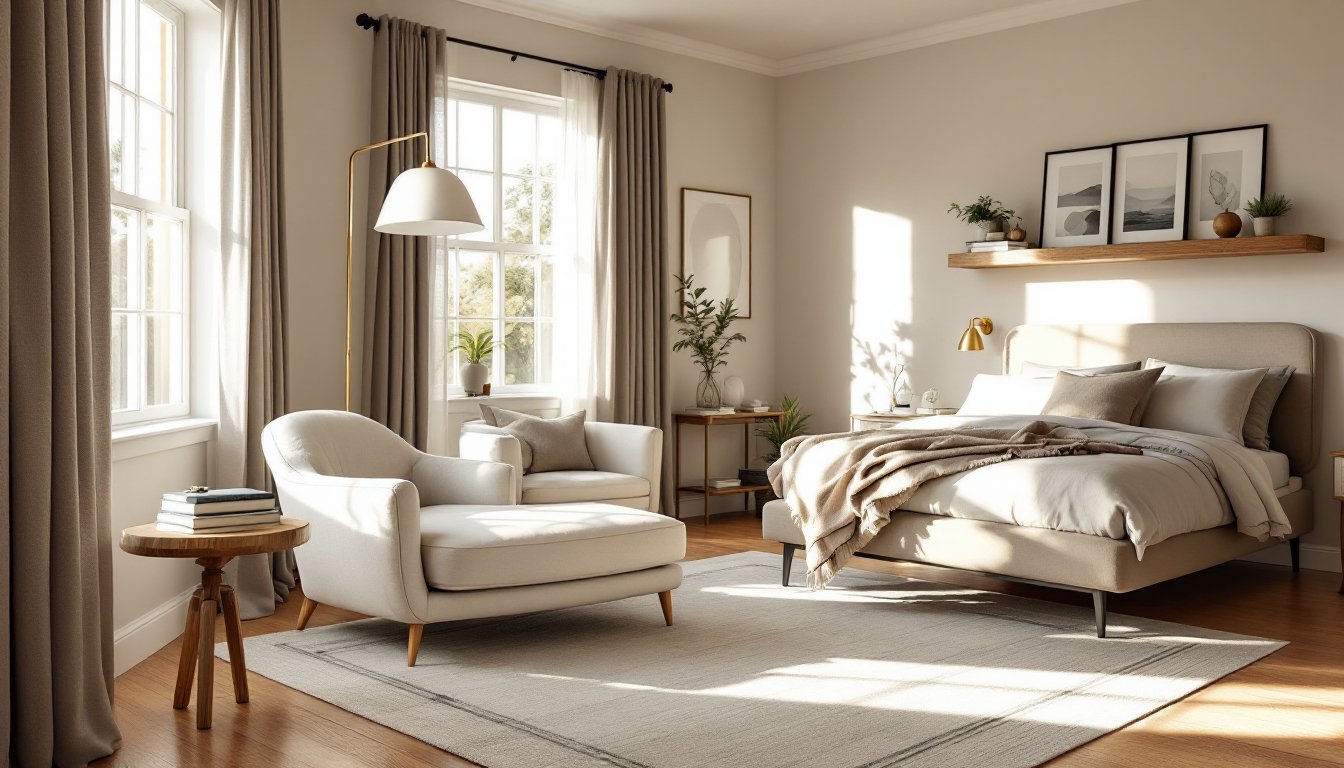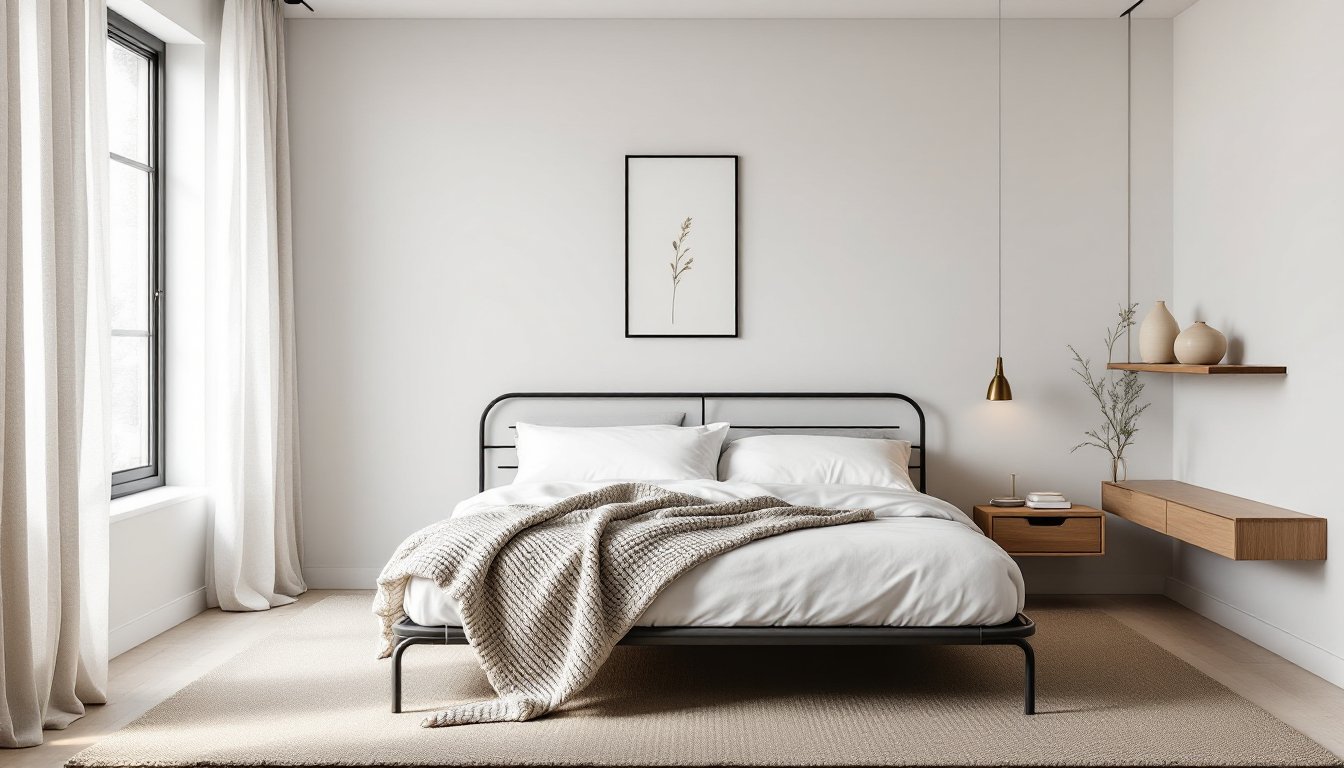
A modern white bedroom doesn’t have to feel cold or clinical, when done right, it becomes a serene retreat that feels intentional and deeply restful. Whether you’re renovating a guest room or completely reimagining your master suite, white provides a blank canvas that adapts to any design direction you choose. The key is layering textures, thoughtful lighting, and strategic accents to prevent the space from feeling sterile. This guide walks you through the practical decisions and specific techniques that transform a plain white room into a sophisticated, functional sanctuary that works as hard as it looks calm.
Table of Contents
ToggleKey Takeaways
- Modern white bedroom ideas work best when layered with varied textures, strategic lighting, and intentional accents to prevent sterile, cold spaces.
- White walls and furnishings create optical illusion of space, reflect light evenly, and let furniture shapes and materials become focal points rather than bold wall color.
- Choose clean-lined bed frames, floating storage, and minimal hardware finishes (brushed steel, matte black) to reinforce modern aesthetic without visual clutter.
- Strategic lighting with recessed fixtures spaced 4–6 feet apart and wall-mounted sconces positioned 24–28 inches above mattress height prevents shadows and reduces eye strain.
- Layer natural materials like linen, wood, ceramic, and wool in 2–3 repeated types throughout the room to add warmth and reduce stress without introducing color noise.
- Maintain white bedrooms with weekly cleaning, satin finish paint for durability, oxygen-based bleach for white bedding, and HEPA filtration to preserve the serene environment.
Why White Is the Perfect Foundation for Modern Bedroom Design
White walls, bedding, and trim create an optical illusion of space, especially valuable in smaller bedrooms or those with limited natural light. Unlike color, white reflects light evenly, which means your room feels airier without requiring additional windows or skylights. From a practical standpoint, white also forgives imperfect drywall tape, minor cracks, and slightly uneven surfaces far better than darker tones would.
From a design perspective, white acts as a neutralizing agent. It lets furniture shapes, hardware finishes, and texture take center stage rather than competing with bold wall color. Homeowners often worry that white feels impersonal, but the opposite is true, when you strip away color competition, every intentional choice (a walnut nightstand, linen curtains, a brass lamp) becomes more noticeable and meaningful. The bedroom becomes about what you put in it, not the backdrop itself.
Build codes and interior design standards both favor light, neutral palettes in bedrooms for mental health reasons: lighter spaces correlate with better sleep quality and reduced stress. Paint manufacturers often recommend primer-plus-finish systems on fresh drywall in bedrooms, which ensures your white paint (whether flat, eggshell, or satin) adheres properly and won’t yellow over time if you choose quality acrylic latex formulations.
Furniture Essentials for a Modern White Bedroom
Clean-Lined Bed Frames and Storage Solutions
The bed anchors a modern white bedroom, so its frame design matters enormously. Look for metal or solid wood frames with minimal ornamentation, low-profile platform beds, simple metal frames with horizontal slats, or slatted bases reduce visual clutter and align with minimalist aesthetics. Nominal lumber dimensions (a 2×10 board is actually 1.5″ × 9.25″) mean that bed slats are typically spaced 2–3 inches apart, which supports standard mattresses without flex or squeaking.
Storage solutions should be equally restrained. Floating nightstands and low, linear dressers with handle-free doors or push-to-open mechanisms reinforce the clean aesthetic. Wall-mounted shelving with minimal brackets works brilliantly in modern white bedrooms, it occupies zero floor space and keeps the visual weight low. Avoid ornate carved details, turned legs, and embellished hardware: instead, opt for brushed steel, matte black, or natural wood handles.
Measure your room’s wall dimensions and door swing before ordering or building furniture. A dresser that’s 36″ wide but your bedroom is only 11 feet long might force awkward traffic flow. Consider ceiling height too, tall wardrobe units can dominate a room with an 8-foot ceiling, while a 10-foot ceiling handles them gracefully. If you’re installing built-in storage, local building codes may require backing boards on floating shelves rated for live loads above 20 pounds per shelf, so plan your hardware accordingly.
Lighting Strategies That Enhance a Bright, Airy Space
Lighting in a white bedroom must balance brightness with flexibility. Overhead fixtures should provide even illumination without harsh shadows, recessed lighting spaced 4–6 feet apart (measured center-to-center) prevents dark patches, though the math depends on ceiling height and fixture wattage. A single central pendant or chandelier often creates an island of light while leaving corners dim, which contradicts the airy feel you’re building.
Task lighting is equally critical. Bedside sconces mounted 24–28 inches above the mattress surface (or about 18 inches above your nightstand) position light at eye level when you’re sitting up, which reduces eye strain and reads as intentional rather than accidental. Wall-mounted sconces free up nightstand space and simplify the look compared to traditional lamps.
Dimmer switches transform a room’s mood without adding fixtures. Wired dimmers are standard on 15-amp circuits and cost about $30–60 for quality models: smart dimmers (Wi-Fi or Z-Wave) run higher but let you adjust light from your phone. Avoid amber-tinted bulbs in white bedrooms, they muddy the space. Instead, choose 2700K LED bulbs (warm white) for sleeping areas and 3000K (neutral white) for task lighting. LEDs also consume 75% less energy than incandescent bulbs and last 15,000–25,000 hours, so they’re safer and cheaper long-term.
Texture and Layering: Adding Depth Without Color
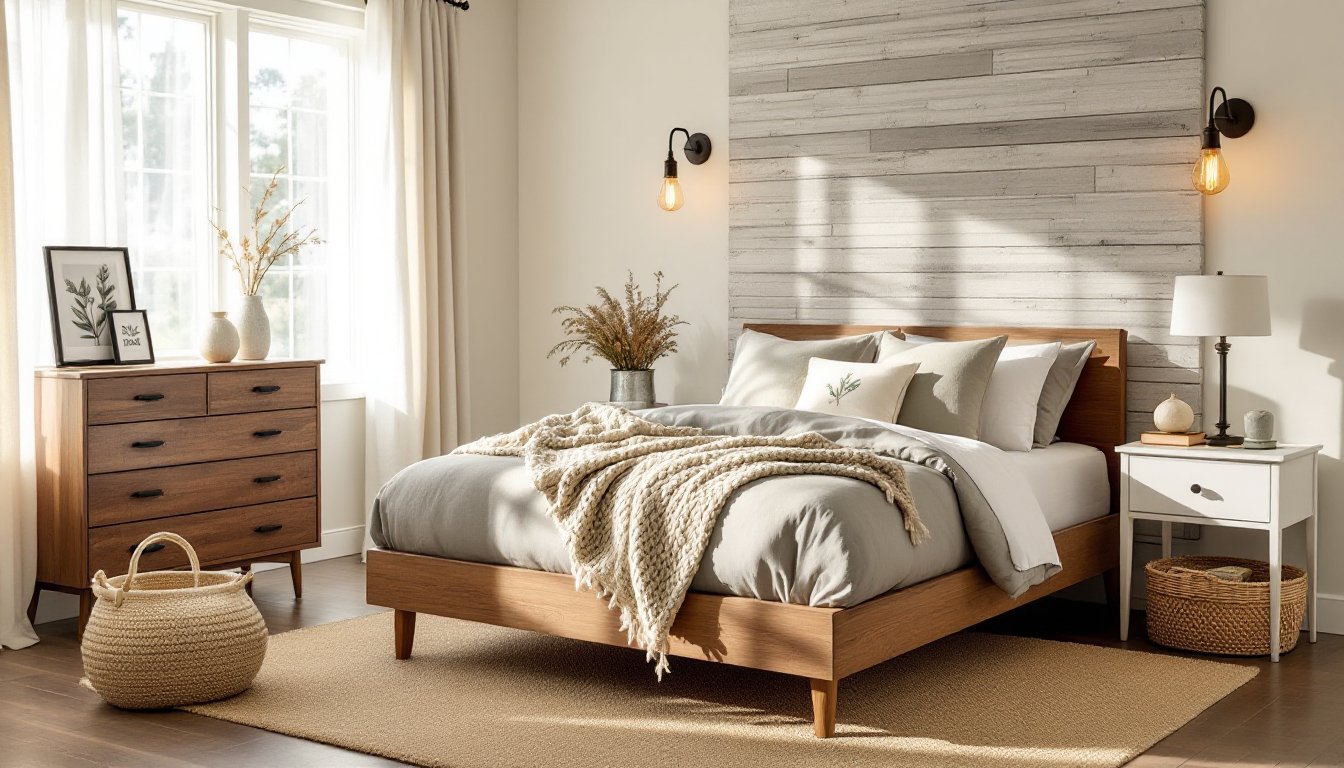
Pure white flatness reads as institutional, so texture does the heavy lifting. Layer linen sheets (slightly nubby), cotton quilts (crisp or soft depending on weave), and linen or wool throws on your bed. The interplay of matte and subtle sheen creates visual interest without introducing color. Similarly, a chunky-knit area rug under the bed (sizing typically 5×8 or 6×9 feet under the bed) provides warmth underfoot and breaks up hard flooring.
Wall texture matters too. Flat paint reflects light uniformly but can feel bland: eggshell or satin finishes add a whisper of sheen that makes white feel intentional rather than blank. Textured wallpaper, grasscloth, linen-look, or subtle geometric patterns, works if it’s restrained. Avoid busty florals or bold patterns: they fight the minimalist premise.
Incorporate natural materials: live-edge wood shelves, stone or concrete elements, or woven wall hangings introduce organic texture. A research study on bedrooms showed that natural material exposure reduces cortisol (stress hormone) by 10–15% compared to purely synthetic environments. Wood nightstands, jute storage baskets, and cotton curtains all contribute without adding color noise. The key is repetition, use 2–3 material types (wood, linen, ceramic) and repeat them throughout the room so it feels cohesive, not randomly textured.
Accent Elements and Subtle Decor Touches
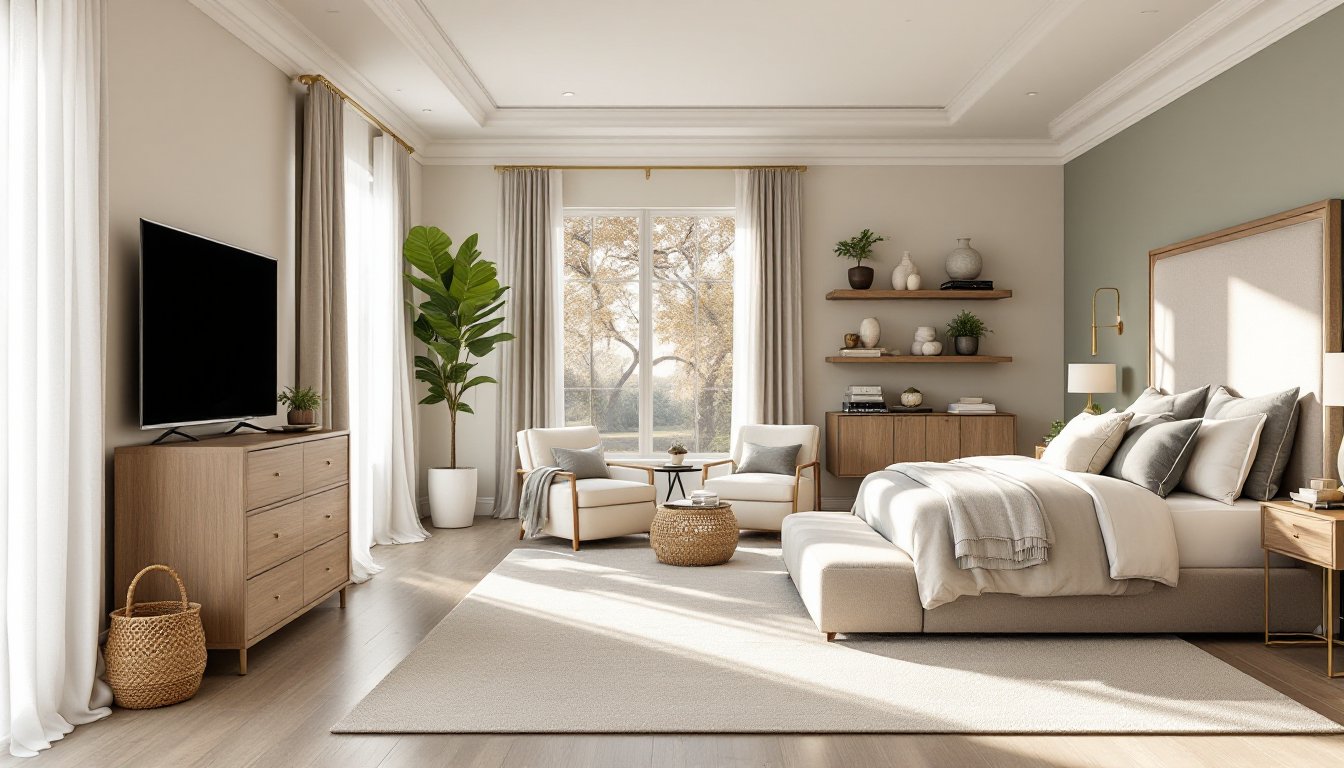
Accent colors work in modern white bedrooms when they’re restrained. A single wall painted in soft gray, warm beige, or muted sage adds dimension without overwhelming the space. Keep accent colors desaturated (low chroma) so they feel sophisticated rather than playful. Pair the accent wall with white trim and ceiling to maintain airiness.
Decor items should be functional or deliberately minimal. A large framed botanical print, a single sculptural piece on a shelf, or a pair of matching ceramic vessels create focal points without clutter. The rule of three works well here, three objects on a shelf or three decorative pillows on the bed feel intentional, while a dozen scattered items feel chaotic. Research from interior design tips, home styling guides emphasizes that modern minimalist spaces benefit from negative space: emptiness is as important as fullness.
Metallic accents (brass, brushed steel, matte black) bridge white and color. A brass lamp, steel bed frame, or black window hardware grounds the room and prevents it from floating into sterile territory. Avoid mixing more than two metal finishes, stick with warm metals (brass, bronze) or cool metals (chrome, steel) to maintain coherence. Textiles like a linen throw pillow with a single contrasting stitch line or a wool blanket in cream and ivory add sophistication without visual weight.
Practical Tips for Maintaining a Modern White Bedroom
White shows dust, pet hair, and stains more visibly than darker colors, so maintenance matters. Washable wall finishes (eggshell or satin) allow you to wipe marks away with a slightly damp cloth without damaging paint. Flat latex paint, by contrast, absorbs moisture and may leave water marks. For active households with kids or pets, satin is the practical choice even though being slightly shinier than eggshell.
White bedding requires a laundry routine: wash weekly in hot water with oxygen-based bleach (safer than chlorine) to prevent yellowing. Line-dry or tumble-dry on low to avoid heat damage. White linen naturally softens and develops character with washing, so don’t fear frequent laundering, it improves the fabric. Store off-season bedding in breathable cotton bags (not plastic) in a cool, dry closet away from direct sunlight, which yellows white textiles over time.
Flooring choices affect maintenance burden. Light wood or white-painted wood shows dust and footprints readily: polished concrete or light tile is easier to sweep and wipe. If you want wood character without constant cleaning, matte-finish engineered wood (rather than high-gloss solid wood) strikes a balance. Dust white surfaces weekly with a microfiber cloth (electrostatic attraction works better than cotton rags). For bedroom air quality, modern bedroom ideas from House Beautiful often emphasize air circulation, open windows daily if possible, and consider a HEPA filter in your HVAC return if you or household members have allergies. Keeping the space clean and aired prevents the musty smell that can develop in sealed white rooms.