A backyard should feel like your own retreat, not an extension of your neighbor’s view. Whether you’re dealing with a narrow lot, bustling street noise, or just want more seclusion while entertaining, a privacy wall can transform how you experience your patio. The good news: you don’t need a contractor or deep pockets to add visual screening. From living walls bursting with greenery to sleek modern panels and solid masonry, there are privacy solutions for every budget, aesthetic, and skill level. This guide walks through practical ideas that actually work in real yards, with honest talk about what each option demands in terms of time, money, and elbow grease.
Table of Contents
ToggleKey Takeaways
- Patio privacy wall ideas range from living vines ($30–$60 per plant) to masonry ($100–$250 per linear foot), offering solutions for every budget and aesthetic preference.
- Horizontal wooden slat designs are an accessible DIY option costing $25–$40 per linear foot and can be completed in a weekend with basic tools like a post-hole digger and circular saw.
- Fast-growing climbing vines like clematis and ivy can screen views within 1–2 seasons on a simple trellis, though they require consistent watering and may struggle in dry climates.
- Metal privacy screens (Corten steel and aluminum) deliver 20+ years of durability with minimal maintenance but cost $60–$120 per linear foot and require professional installation.
- Budget-conscious homeowners can use temporary solutions like bamboo panels ($15–$40 per section), shade cloth, or staggered plantings of shrubs and perennials before committing to permanent structures.
- Masonry walls offer timeless, sound-absorbing privacy that adds property value but require professional installation and cost $4,000+ for a 30-foot wall.
Natural Privacy Solutions With Plants and Greenery
Living Walls and Vertical Gardens
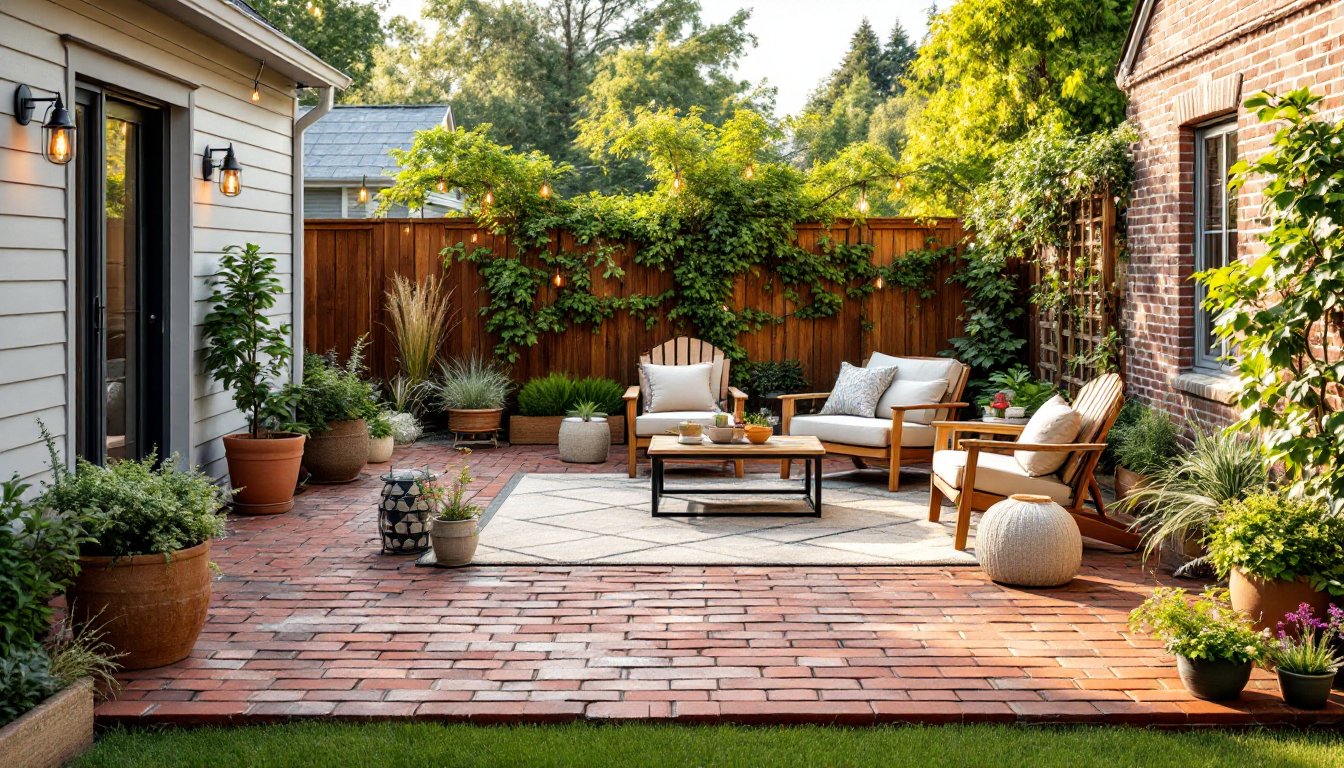
Living walls are the go-to move if you want your privacy to look alive, literally. Climbing ivy, clematis, jasmine, or fast-growing bamboo trained on a simple trellis can screen a view within one to two growing seasons. The appeal is obvious: greenery softens the look, adds oxygen to your patio, and requires minimal structural work.
For established fast-growing vines, train them along pressure-treated lumber (2×4s work fine) fastened to studs behind or anchored into existing structures. Space the framing 16 inches on center. Install the trellis or wire guide before planting. Annual vines like hops or beans mature in a single season but need replanting yearly. Perennial options like clematis and climbing roses cost more upfront but persist for years.
Planter boxes stacked vertically or hanging from a frame also work. Fill them with compact shrubs or ornamental grasses. This method gives you mobility, you can adjust or remove plants, and avoids the wait for vines to fill in. Budget $30–$60 per shrub or vine, plus materials for the frame or trellis.
Honest reality: living walls need watering, especially during dry spells. In northern climates, some vines die back each winter. Deer and pests may nibble. If you’re in a dry region or want year-round screening, layering plants with evergreen shrubs (boxwood, privet, or holly) ensures coverage when deciduous plants drop leaves.
Wooden Fence and Screen Panels
Modern Slat and Horizontal Designs
Wood remains the most accessible DIY choice for privacy walls. A traditional picket fence works, but modern slat designs, where boards run horizontally with 1- to 2-inch gaps, are having a moment. The gaps let light and air through while still blocking views from most angles.
For a basic horizontal slat wall, build the frame from 2×4 pressure-treated lumber with posts set 6 feet apart and concrete footings 36 inches deep to prevent heave in freeze-thaw cycles. Span between posts with horizontal runners (also 2×4s) placed 24 inches on center, then nail or screw 1×6 or 1×8 cedar or composite boards horizontally, leaving your desired gap between boards. This structure can handle wind loads and won’t sag. Check your local building code for height restrictions, many zones cap residential fences at 6 feet.
Estimate $25–$40 per linear foot for materials (pressure-treated framing, cedar slats, fasteners). Labor or sweat equity is the bigger cost if you’re doing it yourself. A 20-foot run takes a dedicated weekend or two, especially if you’re digging footings. You’ll need a post-hole digger or auger, circular saw or miter saw for cutting, drill-driver, and level. Rent an auger if you have many posts, it saves your back.
Composite alternatives (wood-plastic blend) cost 50–75% more but skip the rot and painting chores. Cedar weathers gracefully but will gray without stain: cheaper treated lumber lasts fine but usually needs sealing or stain within a few years to prevent mildew.
Metal and Contemporary Privacy Structures
Corten steel and aluminum screens deliver sleek minimalism with serious durability. Corten rusts intentionally, forming a stable protective patina in rusty-orange tones. Aluminum is lightweight, won’t corrode, and takes powder-coating in any color. Both are pricey, $60–$120 per linear foot installed, but last 20+ years with almost no maintenance.
When exploring contemporary options, 10 instant privacy screens on Gardenista showcase slatted metal and folding panel systems that adapt to modern and transitional spaces. Many are modular, so you can expand later.
Installation is not beginner-friendly: most metal screens require welding or precision fastening to a steel subframe. But, some prefab aluminum panel systems come with mounting hardware and can bolt to existing posts. If you’re handy with fasteners and measuring, a single panel section is manageable in an afternoon. For large runs or welded Corten designs, hire a local metal fabricator or contractor.
Metal suits minimalist and industrial aesthetics, especially paired with low-maintenance plantings. It doesn’t block wind the way solid fences do, good for airy patios, less good if your goal is wind shelter. Metal also conducts heat, so dark finishes can get hot to the touch in direct sun.
Stone, Brick, and Permanent Barrier Options
Masonry walls are the ultimate privacy solution: solid, timeless, and built to outlast your home. A simple stacked-stone or brick wall 5 to 6 feet tall creates an impenetrable visual barrier and absorbs sound better than any screen panel.
A properly built masonry wall requires footings below the frost line (typically 36–48 inches deep, depending on your zone), compacted gravel base, mortar joints, and may need a professional engineer’s stamp if it’s load-bearing or over 4 feet in some jurisdictions. This is not a DIY afternoon project: most homeowners should hire a mason or contractor.
Cost runs $100–$250 per linear foot depending on stone type and local labor rates. A 30-foot wall could easily exceed $4,000. But it requires zero maintenance, adds real property value, and works in any climate. Brick is the most uniform and predictable: stacked fieldstone is rustic and irregular: manufactured stone veneer mimics real stone at half the cost and less weight (useful if you’re veneering an existing structure).
If budget or jurisdiction won’t allow a full masonry wall, a hybrid approach works: build a low (2–3 foot) stone or brick base, then top it with horizontal wooden slats or a trellis with climbing plants. This gives the permanence of masonry with lower cost and better aesthetics for many contexts. Verify setback requirements and property lines before starting: locate utilities (call 811 before digging).
Budget-Friendly DIY Privacy Solutions
Not every backyard needs a $5,000 solution. Fast, cheap wins exist.
Bamboo or reed panels ($15–$40 per 6×3-foot section) lash or zip-tie to existing frames, posts, or fencing. They’re semi-transparent and add tropical vibes. Lifespan is 3–5 years before weathering degrades them: they’re essentially disposable. Bamboo screening also comes in taller rolls for quick attachment to chain-link, which is ideal if you already have fence structure.
Corrugated polycarbonate panels ($20–$50 per panel) mount to a simple wood frame and let light through while obscuring view. Not the prettiest long-term, but functional and nearly maintenance-free. They yellow over years and can look plastic-y up close.
Living screens from deciduous shrubs planted in a tight row work on a shoestring if you buy smaller plants and have patience. Five 3-foot lilacs or privet plants might cost $50–$100 and take 2–3 years to fill a 15-foot gap. Water consistently the first two years: after that, they’re fairly self-sufficient.
Staggered planting of mix-height greenery, tall shrubs back, medium shrubs middle, low perennials front, layers privacy without needing a hard structure. The Spruce offers comprehensive gardening guides for plant selection by zone and sunlight. Combine with mulch beds (4–6 inches of aged wood chips) to suppress weeds and retain soil moisture.
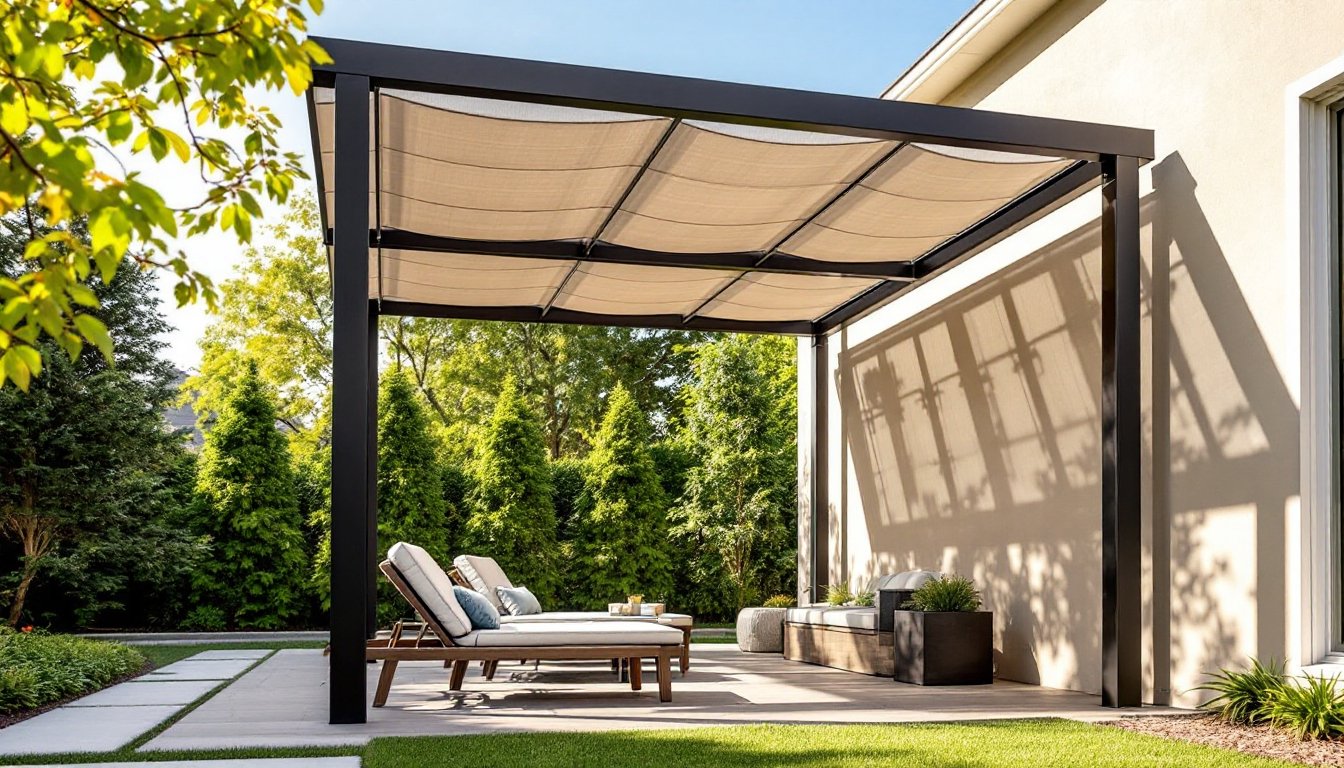
Another overlooked option: taut shade cloth on a basic frame. Shade cloth comes in 30–90% opacity and costs a few dollars per linear foot. It’s temporary, lightweight, and ideal for renters or trial runs before committing to permanent walls. Attach with zip ties or small fasteners to 2×2 lumber posts set in concrete footings.