Most homeowners see the space beneath their deck as wasted real estate, a dark, muddy area that collects debris and pools water. But that under deck space is actually prime real estate waiting to be transformed into a functional extension of your outdoor living area. Whether you’re working with a modest back deck or a sprawling multi-level structure, the right design can double your usable outdoor space without the cost of a major addition. From weatherproof systems that handle rain to creative landscaping and storage solutions, there are plenty of practical ways to maximize what’s hiding beneath your feet.
Table of Contents
ToggleKey Takeaways
- Ideas for under deck space transform wasted real estate into functional outdoor living areas that can double your usable outdoor space without major renovation costs.
- A waterproof underdeck system with aluminum or vinyl panels keeps the space dry year-round and typically returns 60–70% of its cost at resale.
- Shade structures like pergolas or shade sails are the simplest starting point, requiring only lightweight materials and secure galvanized fasteners to deck joists.
- Landscaping with shade-tolerant plants like hostas and ferns combined with LED lighting creates an inviting garden retreat that costs less than hardscape projects.
- Storage solutions, covered patios, and recreational zones for kids and pets maximize functionality while requiring different levels of structural planning and permits.
- Starting small and assessing your deck’s structural capacity before adding weight ensures long-term durability and safety for any under deck transformation.
Create an Outdoor Living Room with Deck Shade Structures
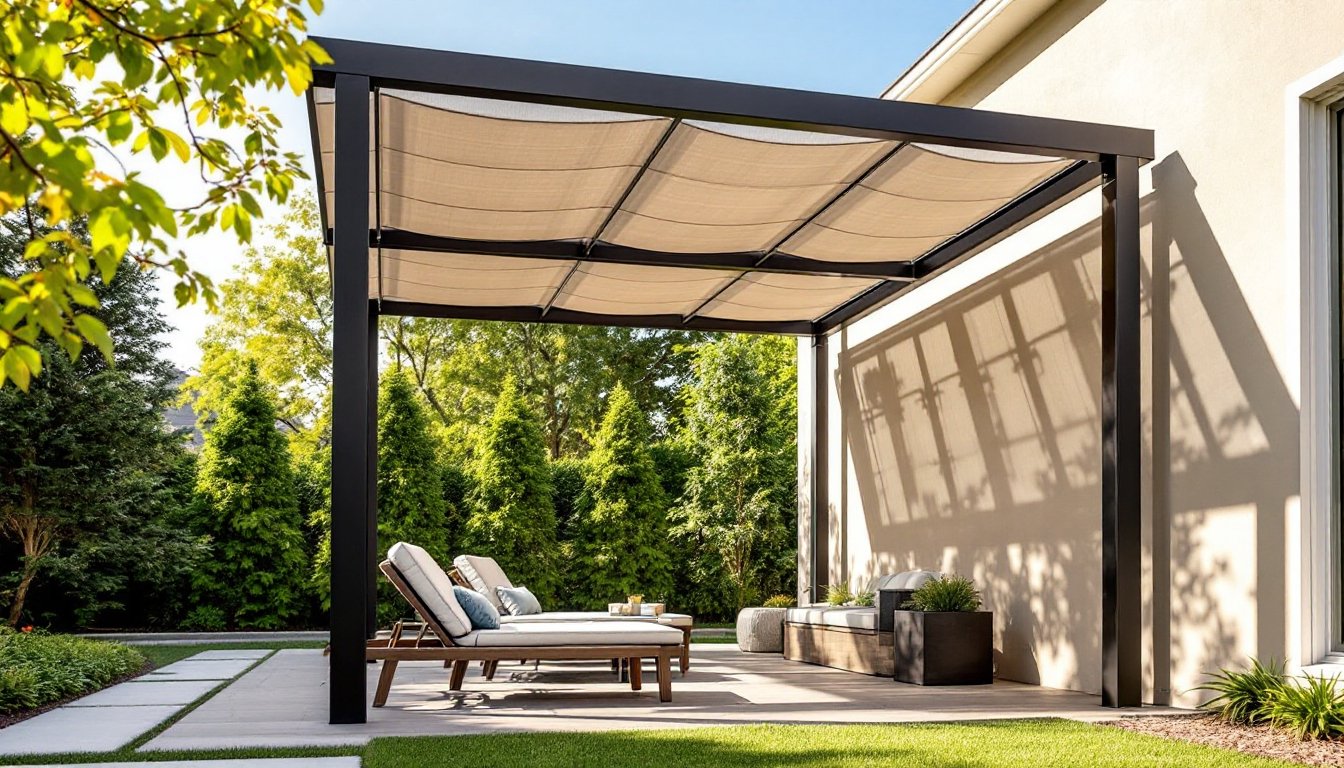
The simplest way to claim under deck space is to add shade and seating. A pergola or shade sail installed above the grade-level ground creates a natural gathering spot that extends your living room outdoors. This approach works especially well if your deck sits 3–4 feet above ground, giving enough headroom to move around comfortably.
Start by assessing your deck’s structural support. You’ll need to identify the joist locations (the main horizontal beams) and determine whether they can handle additional weight. Most residential decks can support a lightweight shade structure, but if you’re bolting directly to the deck frame, consult top home renovation ideas or consider hiring a structural engineer if you’re adding a substantial pergola.
For materials, pressure-treated 2×6 or 2×8 lumber works well for pergola frames, while 1x4s are typical for cross-beams. Use galvanized bolts (at least 3/8-inch diameter) to secure everything to the deck: regular screws won’t cut it for long-term durability. Shade fabric or polycarbonate panels offer weather protection while maintaining airflow. Add outdoor furniture, a weatherproof sectional and a small side table, and you’ve created a shaded retreat without the expense of a roofed structure.
Install a Waterproof Deck Underdeck System for Year-Round Use
If you want true all-weather protection beneath your deck, a waterproof underdeck system is the way to go. These aluminum or vinyl ceiling panels mount directly to the deck’s underside and channel rainwater to the edges, keeping the space below completely dry. Popular brands like DrySpace and Armor Under Deck are engineered for this exact purpose, though the installation itself is a solid weekend DIY project.
Measure your deck’s dimensions carefully and order panels that fit your joist spacing (typically 16 or 24 inches on center). Most systems use aluminum channels that slip between joists: water drains along gutters built into the system and exits at the perimeter. You’ll need a power drill, a level, and a tape measure. Budget roughly 2–3 hours for a 200-square-foot deck, depending on deck complexity.
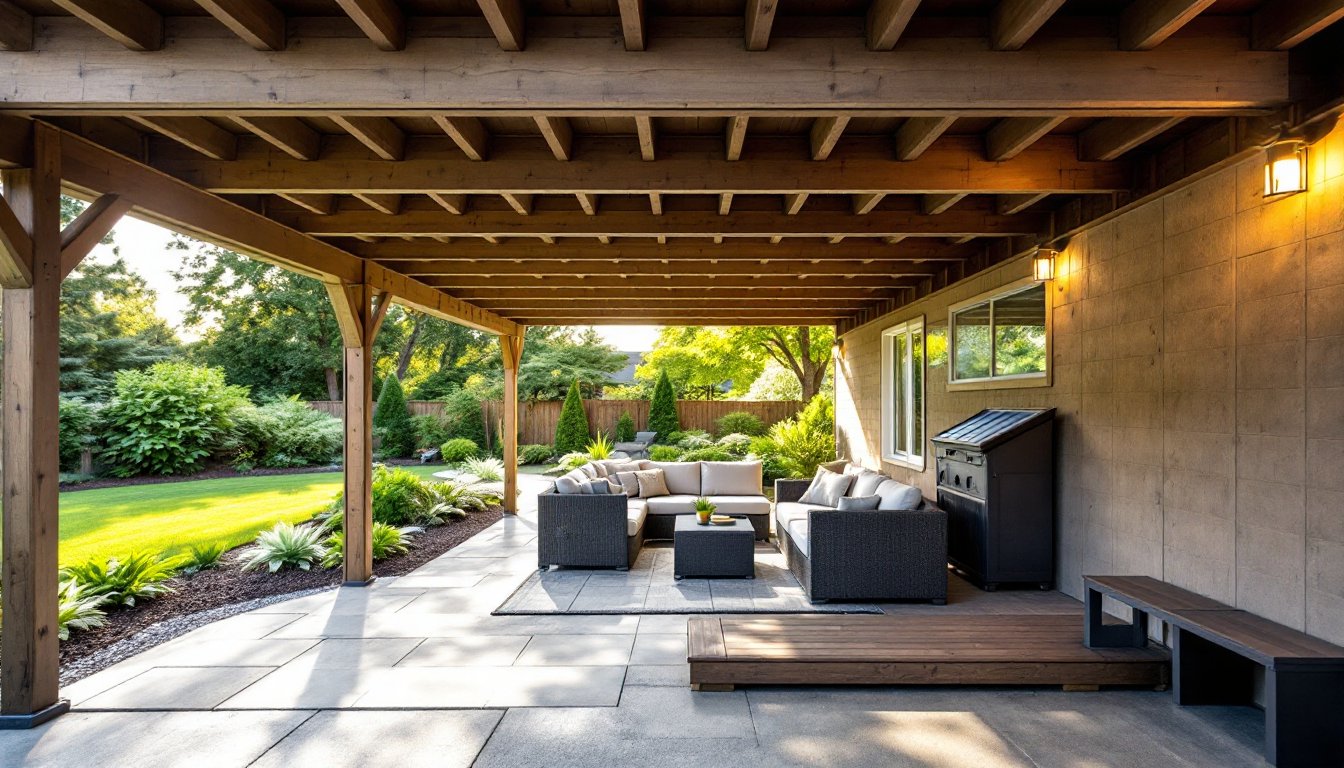
With a dry underdeck ceiling in place, you can install flooring, furniture, and even lighting. Interlocking deck tiles, polished concrete, or sealed pavers turn the space into a legitimate room. According to resources like Fine Homebuilding, proper water management extends the life of both your deck and the structures beneath it. This investment typically returns 60–70% of its cost if you sell, and it pays for itself in years of enjoyable outdoor living.
Build a Covered Patio or Outdoor Kitchen Area
For a more permanent structure, a covered patio or outdoor kitchen under your deck offers genuine year-round utility. This requires more planning than a pergola but remains within reach for hands-on DIYers willing to pull permits and follow local building codes.
A simple roofed structure typically needs a post-and-beam frame set on a concrete pad or frost footings below the frost line (depth varies by climate). Check your local building department about setback requirements and whether you need a licensed contractor for electrical work. Most jurisdictions require permits for any structure over 200 square feet or one that’s fully enclosed.
If you’re adding an outdoor kitchen, plan plumbing runs carefully, most codes require 2-inch drainage pipes below frost line, and gas lines need specific clearances from building components. Countertops can be sealed concrete, tile, or composite, all of which withstand moisture better than wood. Stainless steel appliances resist rust. Home renovation ideas examples include simple food prep stations with a grill and mini fridge, which avoid the complexity of full plumbing while still adding functionality. Outdoor kitchens increase livability and can recoup 30–40% of the investment at resale.
Design a Garden Retreat with Landscaping and Seating
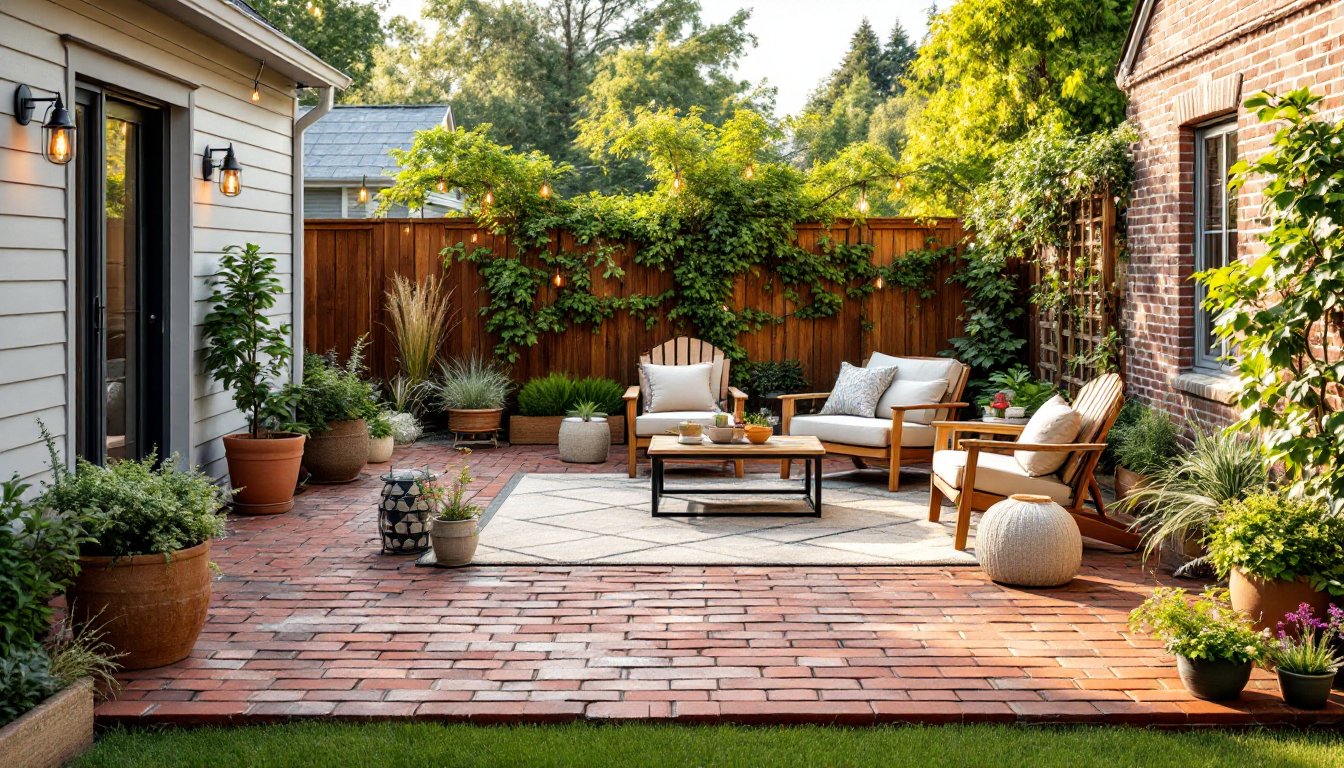
Transform your under deck space into a lush garden room by blending shade-tolerant plantings, mulch beds, and comfortable seating. The dappled light filtering through deck boards actually creates ideal growing conditions for hostas, ferns, shade grass, and evergreen shrubs.
Start with a soil test to understand what you’re working with, most under-deck soil becomes compacted clay over time. Add 3–4 inches of quality topsoil and 2–3 inches of hardwood mulch to improve drainage and create visual appeal. For plants, choose species suited to shade: hostas and ferns tolerate the dry conditions under a deck better than sun-loving perennials. Garden design inspiration from Gardenista emphasizes layering heights, taller shrubs at the back, mid-height perennials in the middle, and groundcover in front.
Add a gravel or mulch path and a simple bench or seating area to make the space inviting. Landscape lighting, low-voltage LED spotlights or string lights, transforms the retreat at dusk. This approach costs less than hardscape projects and improves the visual appeal of your entire property without creating structural complications. As the plants mature, you’ll have a private sanctuary that feels entirely separate from your regular yard.
Add Storage Solutions for Deck and Garden Tools
Under deck space is perfect for a storage shed, locker system, or built-in benches with hinged lids. If you don’t want a full structure, a weatherproof storage box or a small lean-to shed tucked against the deck posts keeps tools, cushions, and seasonal items out of weather and sight.
For a DIY lean-to, build a simple frame using 2×4 studs set on concrete pads, roof it with corrugated polycarbonate or metal roofing, and side it with plywood or vertical shiplap. Dimension it to fit your space, a 4-by-6-foot structure handles most garden tools and cushions. Add shelving inside using 2×10 lumber supported by 3/4-inch plywood stretchers. A hinged or sliding barn door keeps pests out and looks finished.
If building from scratch feels ambitious, prefab storage benches or deck boxes offer an easier path. Best home renovation ideas emphasize practical function paired with visual appeal. Position storage where it doesn’t block sightlines or traffic flow. This solves clutter issues while protecting expensive cushions and tools from weather damage.
Transform the Space into a Recreational Zone for Kids and Pets
Under deck space naturally creates a protected play area for kids and pets, shielded from direct sun and rain but still outdoors. The overhead deck provides a natural ceiling and sense of enclosure that kids find magical.
For children, pour a small concrete pad or lay interlocking rubber mats for a play surface. Add outdoor toys, a sandbox (with a cover to keep out pests), or a small climbing structure. If you’re handy with tools, a simple playhouse frame made from 2x4s with a corrugated roof is achievable over a long weekend. Ensure all fasteners are galvanized or stainless steel and all edges are rounded or covered for safety.
For pets, it’s an ideal spot for a dog run or sheltered bed. The overhead deck protection keeps them out of intense sun while they stay connected to your outdoor routine. Ensure adequate ventilation so moisture doesn’t accumulate, no enclosed dog houses that trap humidity. Use permeable flooring like mulch or gravel for drainage. Paint or stain any exposed wood with pet-safe, non-toxic finishes. According to design resources like Country Living, the most livable outdoor spaces blend human and pet needs seamlessly. This approach adds functional family value without major investment.
Conclusion
Your under deck space doesn’t have to be a forgotten zone. With planning, modest materials, and some sweat equity, that dark area beneath your deck becomes an extension of your home, whether it’s a shaded outdoor room, a waterproof retreat, a garden sanctuary, or a practical storage and play zone. Start small, assess your deck’s structure, and build incrementally. Most projects pay dividends in both lifestyle improvement and resale appeal. The best under deck transformation is the one you’ll actually use.