A patio roof doesn’t have to cost thousands of dollars. Whether you’re looking to add shade to an existing deck, create a covered outdoor dining area, or simply protect your seating from sudden rain, budget-friendly patio roof solutions deliver real protection and style without the contractor price tag. Homeowners can now choose from several affordable options, from retractable shade sails to DIY pergola kits, that work as well as high-end permanent structures. This guide walks through seven practical patio roof ideas that fit smaller budgets while still standing up to regular use and the elements.
Table of Contents
ToggleKey Takeaways
- Shade sails and lattice structures rank among the cheapest patio roof ideas, costing as little as $150–$300, making them ideal for budget-conscious homeowners.
- DIY pergola kits ($300–$1,200) offer a permanent middle-ground solution with simple assembly and the flexibility to add climbing vines for enhanced aesthetics and natural shade.
- Polycarbonate panels provide durable, all-weather protection at $400–$900 for a 10×12 ft structure while maintaining natural light and filtering UV rays.
- Shade cloth canopies ($100–$300) deliver quick installation and removable coverage, making them perfect for renters or seasonal protection without requiring permits in most jurisdictions.
- Choose your cheap patio roof based on three factors: coverage needs, year-round use plans, and maintenance tolerance to ensure the solution aligns with your lifestyle and climate.
- Proper installation techniques—such as ensuring correct sail tension angles, leaving thermal expansion gaps for polycarbonate, and securing shade cloth frames—are essential for durability and weather resistance.
Retractable Shade Sails: Affordable and Flexible Coverage
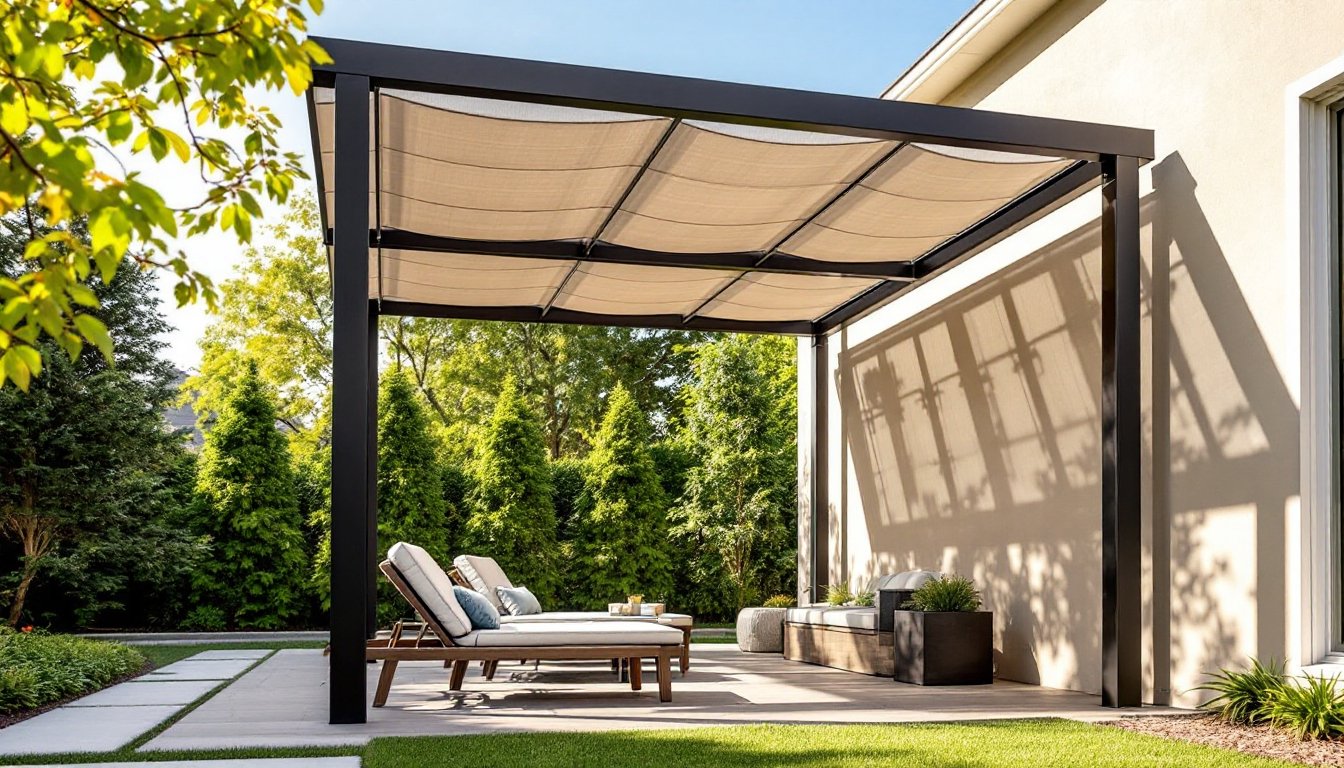
Shade sails offer one of the fastest and cheapest ways to cover a patio. These triangular or rectangular fabric canopies anchor to posts, house walls, or trees using simple cable hardware. Most homeowners install them in an afternoon using basic hand tools and a drill.
A typical shade sail kit for a small to medium patio (200–300 square feet) runs $150–$500, well below the cost of a permanent structure. Installation involves setting eye bolts into your existing structure, attaching turnbuckles and marine-grade stainless steel cables, and tensioning everything evenly. The key is getting the right angle, sails work best when tensioned to roughly 45 degrees for water drainage and wind resistance.
Choose HDPE (high-density polyethylene) fabric in 80–90% opacity. It blocks UV rays, won’t rot, and sheds water without pooling. lighter colors (cream or tan) reflect more heat than darker shades. Before ordering, measure your patio dimensions and identify three or four sturdy anchor points: cables need solid attachment to prevent sagging or tearing in wind. If your patio lacks built-in anchor points, you’ll need to install permanent posts or use adjustable wall mounts, a modest extra cost that gives you flexibility later.
DIY Pergola Kits: Simple Assembly for Maximum Style
A pergola provides partial shade and open-air charm without the full roof cost. Pre-fab kits sold online include all lumber, hardware, and assembly instructions, typically ranging from $300 to $1,200 depending on size and wood species. You supply the labor and a few basic tools.
Choosing the Right Materials and Size
Most pergola kits use either pressure-treated lumber (affordable, requires maintenance) or cedar (more expensive, naturally rot-resistant). Pressure-treated 2×6 or 2×8 joists form the main structure: smaller 1×6 or 2×4 pieces create the slatted roof that dapples light. Before purchase, decide: Do you want full coverage or partial shade? A tightly-slat roof blocks more sun but looks heavier. Spaced slats every 6–12 inches let dappled light through, giving a more open feel.
Setup requires a level patio and either ground posts or a ledger board bolted to your house. Most kits come with galvanized bolts and hardware rated for typical wind loads in residential areas, though local codes may require engineer approval for larger installations. Assemble the frame with a second set of hands, ensuring diagonal bracing and level corners before fastening. Many DIYers add a climbing vine like clematis or grapes to the slats for living shade and improved aesthetics, these take 1–2 seasons to fill in but add minimal cost upfront.
Budget Polycarbonate Panels: Lightweight and Durable Protection
Polycarbonate panels are rigid plastic sheets that block UV rays and shed water reliably. They’re lighter than glass, safer if breakage occurs, and significantly cheaper than glass or metal roofing. A basic polycarbonate patio cover costs roughly $400–$900 in materials for a 10×12 ft structure.
Fluted or corrugated polycarbonate sheets (typically 6 mm thick) snap into aluminum or vinyl channels that bolt to a wooden or metal frame. Installation is straightforward: build or buy a frame, snap the panels into the channels, and secure end caps to prevent water entry. The material transmits natural light, keeping the area bright while filtering UV, useful if you plan to use the patio year-round. Expect panels to last 10–15 years with minimal upkeep: avoid abrasive cleaners that can cloud the surface.
One trade-off: polycarbonate expands and contracts with temperature. Leave roughly 1/8 inch of clearance on each side when installing to prevent buckling. In harsh climates (extreme heat or hail zones), invest in impact-resistant or “multi-wall” polycarbonate, it costs more but handles weather stress better. Check current patio and deck pricing trends to compare costs against traditional metal or wooden structures in your region.
Lattice Structures with Climbing Vines: Natural and Cost-Effective
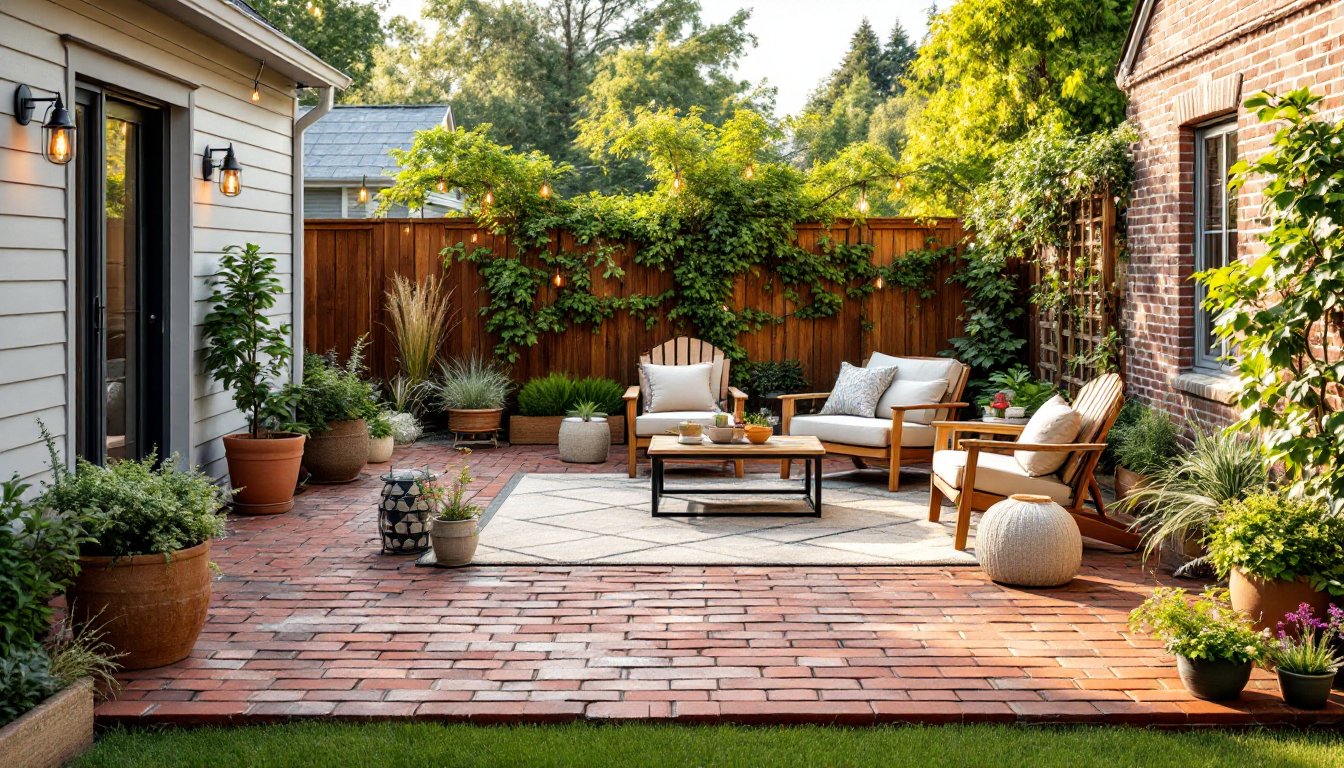
A lattice framework draped with climbing vines delivers shade, privacy, and curb appeal for minimal upfront cost. Wood lattice panels run $20–$50 each: assemble four to six panels into a frame, anchor it to your patio edge or house wall, and let nature do the work over one or two growing seasons.
Using pressure-treated or cedar lattice ensures the frame resists rot. Space panels about 2 inches apart to allow vine growth and air circulation: install them at a slight angle to the sun for better afternoon shade. Vines like clematis, kiwi, or hardy grapes cling with minimal training and grow quickly in full sun. Avoid heavy species like wisteria if your frame isn’t structurally robust, consult a nursery about vine weight and growth speed in your climate zone.
Maintenance is seasonal: prune vines in late fall, tie new growth to the lattice through spring, and remove dead wood. Lattice can also serve as privacy screening, which boosts shade effectiveness. Total installed cost including young vines and basic fasteners typically stays under $300, making it one of the cheapest options, though it requires patience for full coverage. For faster results, choose fast-growing perennial vines and plant multiple starts around the frame.
Shade Cloth Canopies: Quick Installation Without Breaking the Bank
Shade cloth is a breathable mesh fabric that reduces sunlight by 30–90% depending on weave density. Unlike solid roofs, it allows air to flow, keeping the patio cooler on hot days. A 10×12 ft shade cloth system costs $100–$300 in materials and installs in a few hours using basic fasteners and rope or cable.
Mount shade cloth to a simple frame (PVC pipe, wooden posts, or an existing pergola) using stainless steel grommets and lag bolts. Ensure the frame is square and level before stretching fabric taut: loose cloth sags and collects water. Lighter 30–50% shade cloths let more light through, ideal for plants or partial coverage: 80–90% cloths block nearly all sun, useful for heat-sensitive seating areas or outdoor kitchens. Material holds up well in UV exposure, most rated shade cloth lasts 5–8 years before fading or tearing.
Wind is the main enemy: stake corners securely, and consider temporary removal in heavy storms if your frame isn’t over-engineered. Shade cloth is also removable and reusable, so you can store it off-season in colder climates. Home renovation guides often include shade cloth installation among quick-win patio upgrades. Check your local building code, most jurisdictions don’t require permits for simple canopies under 200 square feet if they’re not attached to the house foundation.
Conclusion
Budget patio roofs are viable and durable when you match the right solution to your space, climate, and maintenance tolerance. Shade sails suit renters or temporary coverage: pergola kits offer a permanent middle ground: polycarbonate delivers all-weather protection: lattice with vines grows into affordable privacy: and shade cloth provides quick, removable shade. Start with honest answers: How much coverage do you need? Will you leave it up year-round? Can you handle annual maintenance? Then measure your space, check step-by-step project guides for assembly details, and pick the option that fits your budget and lifestyle. Most of these projects pay off in improved patio usability within the first season.