A kitchen range hood isn’t just another appliance, it’s a workhorse that keeps grease, smoke, and odors from settling into your cabinets and walls while simultaneously serving as a focal point above your stove. Whether you’re renovating from scratch or refreshing an outdated setup, selecting the right range hood can dramatically improve both your kitchen’s air quality and its visual appeal. Today’s market offers far more than the basic builder-grade stainless box: modern kitchen range hood ideas span sleek industrial designs, statement-making sculptural pieces, and sneaky integrated options that vanish into cabinetry. The challenge is matching the right style, ventilation capacity, and installation method to your space and cooking habits.
Table of Contents
ToggleKey Takeaways
- Kitchen range hood ideas should balance ventilation capacity (measured in CFM) with your cooktop size—aim for 100 CFM per linear foot of cooktop width to avoid lingering odors and excessive noise.
- Modern stainless steel range hoods with variable-speed fans and sloped or curved chimneys combine aesthetic appeal with practical performance improvements over basic builder-grade models.
- Statement-making designer hoods in copper or brass can transform your kitchen’s visual focal point, but they work best in open-plan spaces and require proper ducting and maintenance planning.
- Island cooktops require ceiling-mounted or pendant-style hoods with vertical duct chases, which demand licensed HVAC installation and building permits—downdraft grills are a quieter but less effective alternative.
- Budget-conscious homeowners can save money by selecting a solid, appropriately-sized hood with proper ductwork ($200–$600) rather than oversized designer pieces that operate inefficiently due to undersized ducts.
- Integrated and concealed ventilation options like cabinet-integrated or ductless recirculating hoods suit specific needs—ductless works for apartments but requires frequent charcoal filter replacements every 3–6 months.
Sleek Stainless Steel Range Hoods
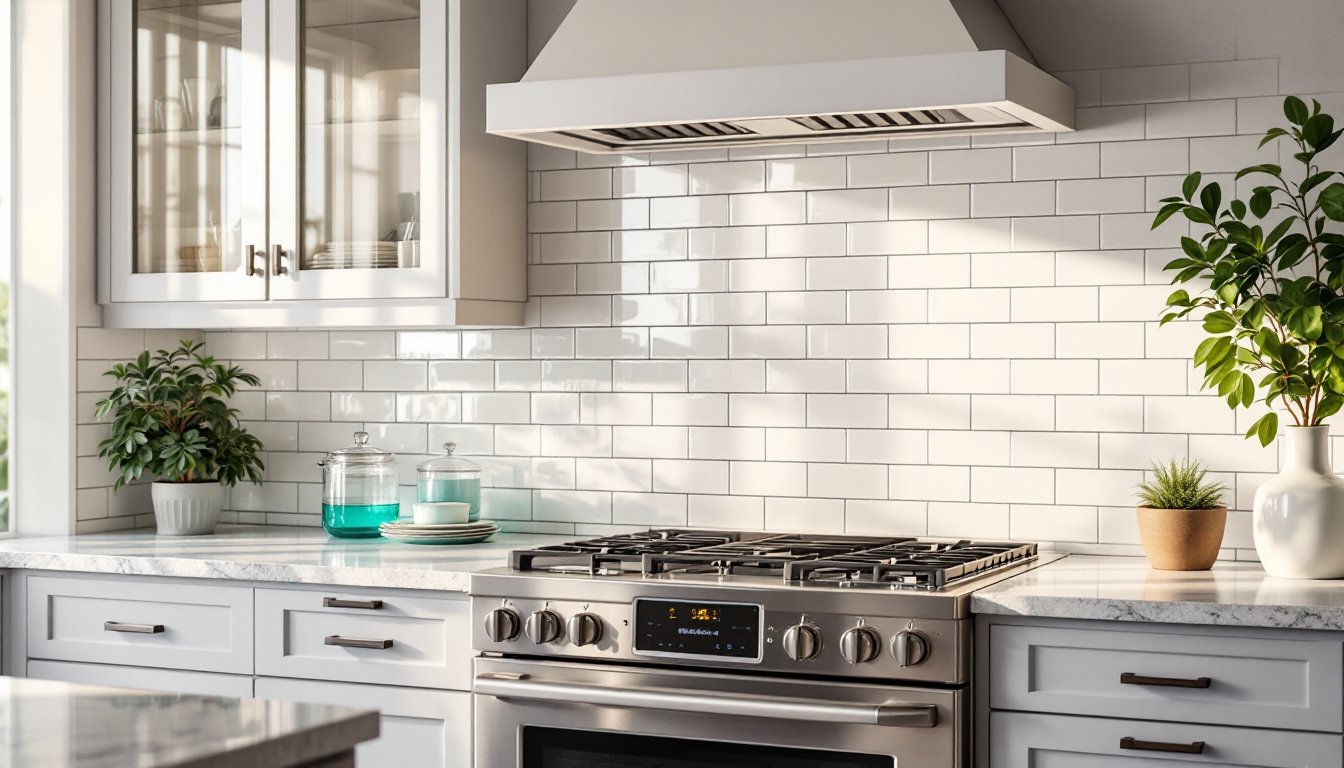
Stainless steel remains the gold standard for kitchen range hoods, and for good reason. Its neutral finish works with virtually any cabinetry or backsplash, it’s forgiving to fingerprints if you choose a brushed rather than polished finish, and it’s naturally easy to clean with the right microfiber cloth and cleaner. The 36-inch or 42-inch under-cabinet stainless hood with ducting to an exterior wall or roof opening is the most common install for residential kitchens.
What separates a basic stainless hood from a modern one is the profile and chimney design. Flat-front hoods with straight sides feel minimalist and integrate neatly into a tidy kitchen aesthetic. Sloped or curved chimneys add visual interest and often perform better at capturing rising heat and vapors. Look for hoods with variable-speed fans (ideally three speeds or a slide control) so you’re not locked into one noise level, full blast for frying fish, low speed for simmering pasta sauce.
When shopping, pay attention to CFM (cubic feet per minute) ratings. A hood should move 100 CFM per linear foot of cooktop width, so a 36-inch range typically needs 300–400 CFM. Undersized hoods leave cooking odors lingering: oversized ones create excessive noise and draft. Verify that your hood’s ductwork will be 6-inch or 8-inch rigid duct, flexible ductwork performs poorly and collects grease faster.
Statement-Making Designer Hoods
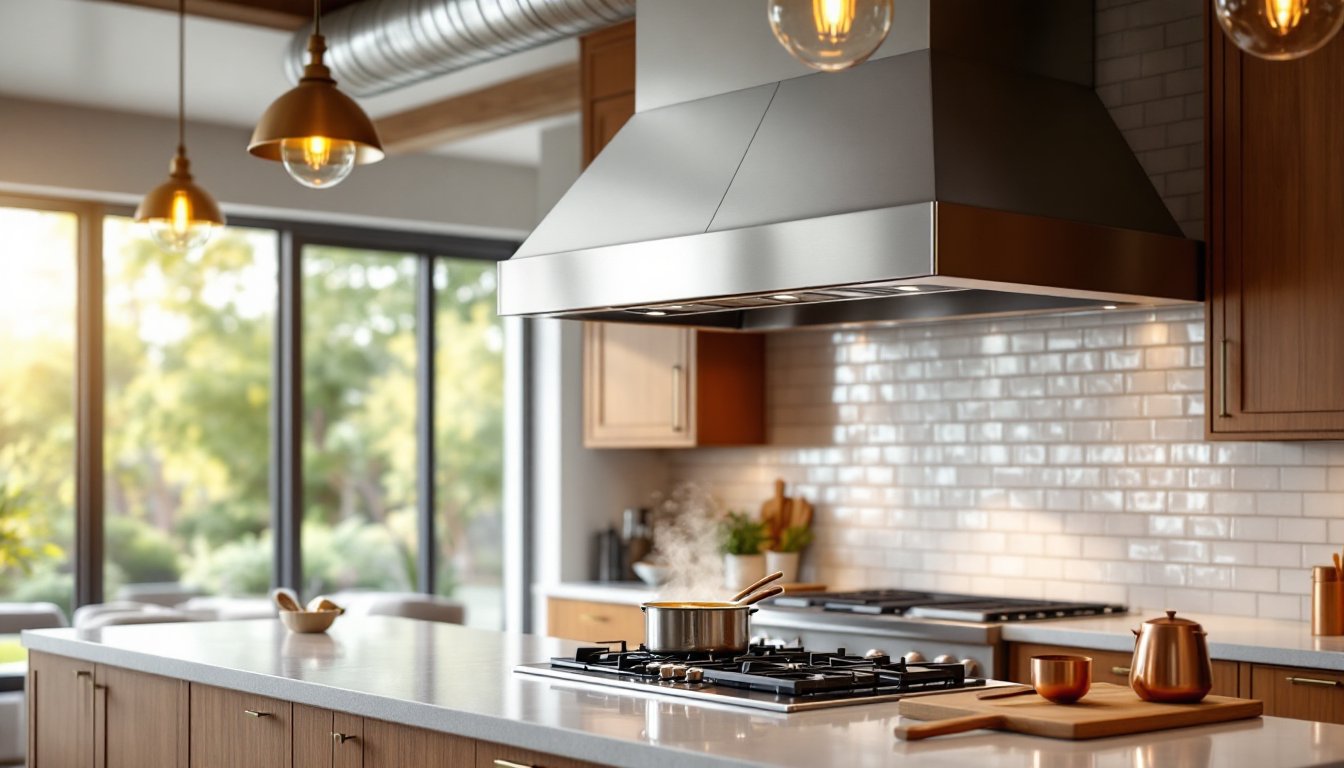
If your kitchen is the heart of your home, the range hood can be its crown jewel. Designer hoods in copper, brass, or hand-painted finishes turn ventilation into art. Brands like Elica and Faber craft sculptural hoods that hang like chandeliers or perch like architectural details. These pieces often cost $2,500–$6,000+, but they carry real design weight.
Copper and brass hoods develop a patina over time, which some owners love and others prefer to prevent with regular polishing. If you go this route, factor in maintenance time. Hand-painted or glazed ceramic hoods offer warmth and personality but require careful cleaning, avoid harsh chemicals that can damage the finish.
Here’s the honest part: statement hoods work best in open-plan or professionally styled kitchens. A sculptural hood in a small, cramped space can feel cramped and dominating. Consider sightlines from your dining area and living room before committing. Resources like 10 Easy Pieces: Range Hoods showcase a range of designer options if you’re exploring this category. These hoods typically have the same CFM and ducting requirements as standard stainless steel models, so don’t sacrifice ventilation for aesthetics.
Island Range Hood Designs
Island cooktops are increasingly popular in modern kitchens, but they present a unique ventilation challenge: the hood must vent upward and be ducted through the ceiling or roof, which demands careful planning during renovation.
Ceiling-mounted or pendant-style hoods are the standard solution. These hang from the ceiling above the island and require a vertical duct chase, a wall-like structure that hides ductwork and runs through the joists above. This isn’t a weekend DIY project if your kitchen is already finished: you’ll likely need a licensed HVAC contractor and possibly building permits, depending on your jurisdiction.
For smaller islands or tighter budgets, downdraft grills sit flush in the cooktop surface itself and suck vapors downward through a duct beneath the island. These are noisier and less effective at capturing rising heat than overhead hoods, but they avoid ceiling penetrations. A few island hoods use double islands, side-by-side chimneys that create a sculptural statement while improving airflow coverage.
If you’re planning an island renovation, involve your HVAC contractor early. Improper ducting routing can create backdrafts in your home, especially if you have a tight building envelope. The Best Range Hoods of 2024 article includes testing notes on island-specific models worth reviewing.
Integrated and Concealed Ventilation
Some kitchens call for a cleaner, quieter aesthetic. Integrated hoods hide ventilation within cabinetry or use low-profile designs that vanish into your design scheme.
Cabinet-integrated hoods sit flush within an overhead cabinet, with vents and filters concealed inside. They’re visually discreet but require careful sizing during cabinet ordering and aren’t ideal for rentals or situations where you might want to swap out later. Some models are retrofit-friendly, allowing you to add a ventilation unit to existing cabinetry.
Downdraft ventilation pulls vapors from a grill set at cooktop level rather than from above. It requires underfloor ducting and is best suited to kitchens where ceiling penetrations aren’t feasible. Downdrafts work reasonably well for smooth-top cooktops but are less effective with high-heat wok cooking or charring meats: rising heat escapes before the downward pull captures it.
Ductless (recirculating) hoods use charcoal filters to purify air and return it to the room without exterior ducting. They’re cheaper to install ($300–$800) and require no duct routing, but they don’t remove moisture or all odors permanently, the charcoal filters need frequent replacement ($50–$100 per set, every 3–6 months depending on cooking volume). These work best in apartments or kitchens where ducting is impossible, not as a first choice in owned homes where ducting is feasible.
Budget-Friendly Hood Options
A functional, no-frills under-cabinet stainless steel hood in 30-, 36-, or 42-inch widths runs $200–$600 for a solid model from brands like Broan, Cosmo, or Zephyr’s entry line. These hoods pull air upward with a standard two- or three-speed motor and duct to the roof or exterior wall. They’re not glamorous, but they do the job.
If you’re tight on space or budget, a convertible hood ($150–$400) can run either ducted (venting outside) or ductless (recirculating). You buy it now as ductless, upgrade to ducted later if your situation changes. The trade-off is that the hood sits a bit lower to function ductless, and dual-mode hoods don’t perform as well in either configuration as dedicated units.
Range hood inserts ($100–$300) slide into existing cabinetry or chimney openings, making them ideal if you’re replacing an old hood. They’re shallow and compact, though they sacrifice some airflow and noise performance compared to full-depth models. Measure your opening carefully before ordering.
Here’s where you save money without gutting the project: buy a solid, modestly-priced hood with proper CFM for your cooktop size and appropriate ductwork gauge and insulation. A $400 hood doing its job beats a $2,000 designer piece operating at half capacity because the ductwork is undersized or kinked.
Choosing the Right Range Hood for Your Kitchen
Selecting a range hood comes down to four main factors: cooktop type and size, available ventilation path, kitchen layout and aesthetic, and realistic maintenance and operating habits.
Start with your cooktop. Electric coil or smooth-top ranges produce less smoke and heat than gas burners, so a slightly lower CFM is acceptable. Gas cooktops and especially wok burners demand robust ventilation, don’t skimp. Measure your cooktop width and add 6–12 inches for proper overlap. A hood should extend at least 3 inches on each side of the cooktop to catch laterally rising vapors.
Next, evaluate your ductwork path. Can you duct straight up through the ceiling to the roof, or must you run ductwork horizontally through walls? Horizontal runs need slope toward an exterior wall (at least ¼-inch drop per foot of run) to prevent grease backup. If your ducting path is complex or very long (over 25 feet), you’ll need a more powerful hood and rigid 6- or 8-inch ductwork, not flexible dryer vent material.
Consider noise. A hood running at full CFM produces 70–80 decibels, roughly as loud as a dishwasher or garbage disposal. If you want quieter operation during everyday cooking, choose a hood with variable speed control and plan to use low speed for routine tasks.
Finally, be honest about your cooking style. If you rarely use your stove or cook simple meals, a recirculating ductless hood might genuinely suit your needs. If you sauté heavily, fry, or wok-cook regularly, ducted ventilation is non-negotiable. Homeowners often discover too late that a cheap or improperly sized hood doesn’t match their actual cooking habits. Resources like The Kitchn offer kitchen design and appliance articles worth reading before you finalize your choice.
Conclusion
Modern kitchen range hood ideas range from understated stainless workhorses to sculptural designer statements, with practical options for nearly every budget and layout. The key is matching the hood’s ventilation capacity and ducting route to your actual cooking needs and kitchen structure, not just picking what looks good in a photo. Size appropriately, duct properly, and don’t skip the exhaust fan speed control. A well-chosen hood runs quietly, keeps your kitchen fresh, and looks right for years to come.