Home renovation ideas and strategies can transform any property into a more functional, valuable space. Whether homeowners want to update a dated kitchen or boost curb appeal, a clear plan makes all the difference. The right approach balances creative vision with practical budgeting. This guide covers essential goal-setting, popular renovation ideas, and smart strategies to keep projects on track. Readers will discover how to prioritize upgrades, manage costs, and achieve results that last.
Table of Contents
ToggleKey Takeaways
- Start every home renovation with clear goals and a realistic budget that includes 10-20% for unexpected expenses.
- Kitchen and bathroom upgrades deliver the highest return on investment, typically recouping 60-80% of costs at resale.
- Simple curb appeal improvements like a new front door, fresh paint, and landscaping create powerful first impressions without breaking the bank.
- Hire licensed professionals for structural, electrical, and plumbing work to avoid safety hazards and costly code violations.
- Build buffer time into your renovation timeline and order materials early to account for unexpected delays.
- Always obtain proper permits before starting significant projects to prevent legal issues, insurance problems, and complications when selling.
Setting Your Renovation Goals and Budget
Every successful home renovation starts with clear goals and a realistic budget. Homeowners should ask themselves what they want to achieve. Are they preparing to sell? Do they need more space for a growing family? Or do they simply want a fresh look?
Defining priorities helps focus spending where it matters most. A family that loves cooking might invest heavily in the kitchen. Someone working from home might prioritize a dedicated office space instead.
Create a Priority List
Write down every renovation idea, then rank them by importance. This list becomes a roadmap. It prevents impulse decisions and keeps the project aligned with actual needs.
Set a Realistic Budget
Home renovation costs vary widely. A minor bathroom refresh might run $5,000 to $15,000. A full kitchen remodel can exceed $50,000. Industry experts recommend setting aside 10-20% of the budget for unexpected expenses. Surprises happen, hidden water damage, outdated wiring, or structural issues can appear once walls come down.
Research Costs Early
Get multiple quotes from contractors before committing. Compare material prices at different suppliers. Understanding true costs prevents budget shock later. Homeowners who skip this step often find themselves cutting corners or abandoning projects midway.
Consider Return on Investment
Some home renovation ideas add more value than others. Kitchen and bathroom upgrades typically return 60-80% of their cost at resale. Adding a deck or improving curb appeal also ranks high. Meanwhile, highly personalized upgrades, like a home theater, may not appeal to future buyers.
Setting goals and budget early creates a solid foundation. It turns vague dreams into actionable home renovation strategies that deliver real results.
Popular Home Renovation Ideas Worth Considering
Some home renovation ideas consistently deliver great results. These upgrades improve daily living while adding lasting value to any property.
Kitchen and Bathroom Upgrades
Kitchens and bathrooms sell homes. They also make the biggest impact on daily comfort.
Kitchen Renovations
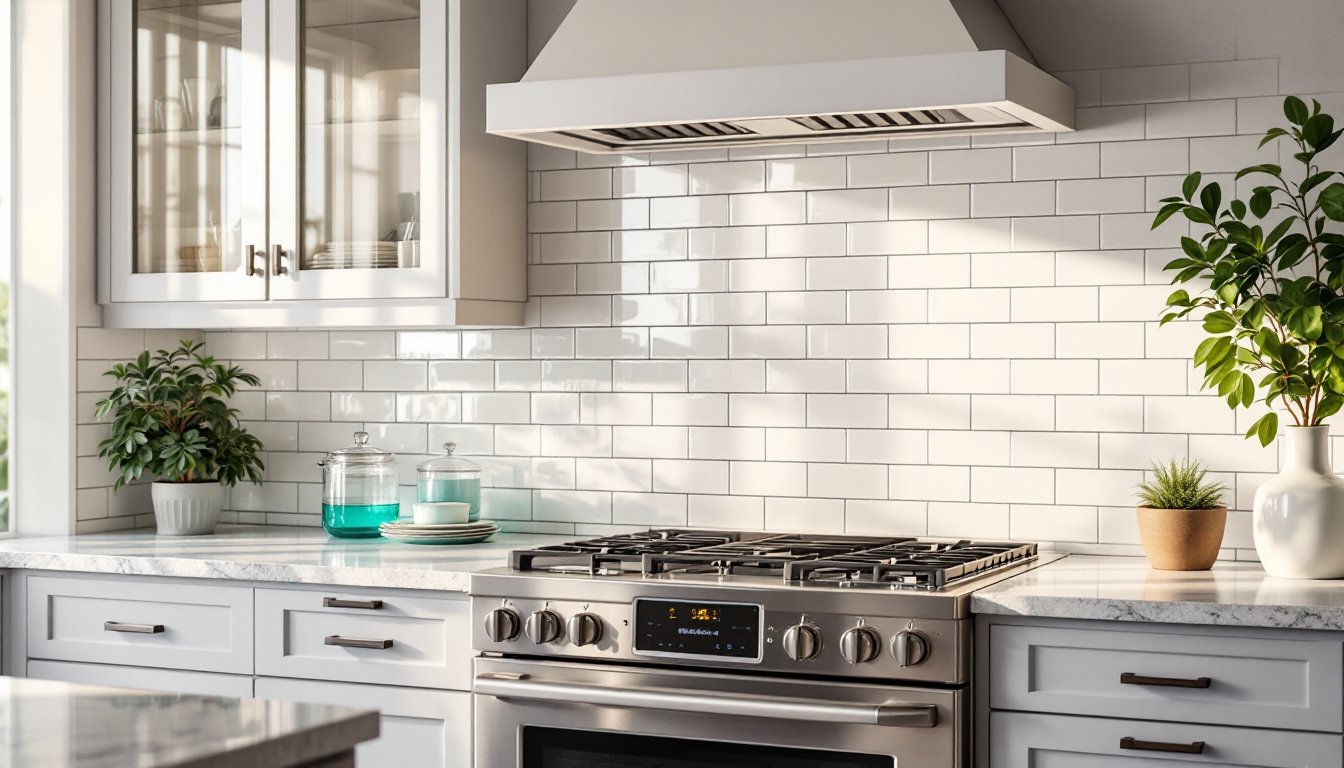
The kitchen serves as the heart of most homes. Popular upgrades include:
- Cabinet refacing or replacement – New cabinet doors instantly modernize a dated kitchen at a fraction of full replacement cost.
- Countertop upgrades – Quartz and granite remain top choices. They resist stains, handle heat, and look great for decades.
- Energy-efficient appliances – Modern refrigerators, dishwashers, and ranges cut utility bills while improving functionality.
- Improved lighting – Under-cabinet LEDs and pendant lights transform both ambiance and usability.
Homeowners don’t need to gut everything. Sometimes fresh paint, new hardware, and updated fixtures create dramatic change without major construction.
Bathroom Renovations
Bathrooms benefit from both aesthetic and functional upgrades. Walk-in showers have replaced traditional tubs in many homes. They offer accessibility and a spa-like feel. Dual vanities add convenience for couples. Heated floors provide luxury that costs less than most people expect.
Water-saving fixtures also make sense. Low-flow toilets and showerheads reduce bills while helping the environment.
Living Spaces and Curb Appeal
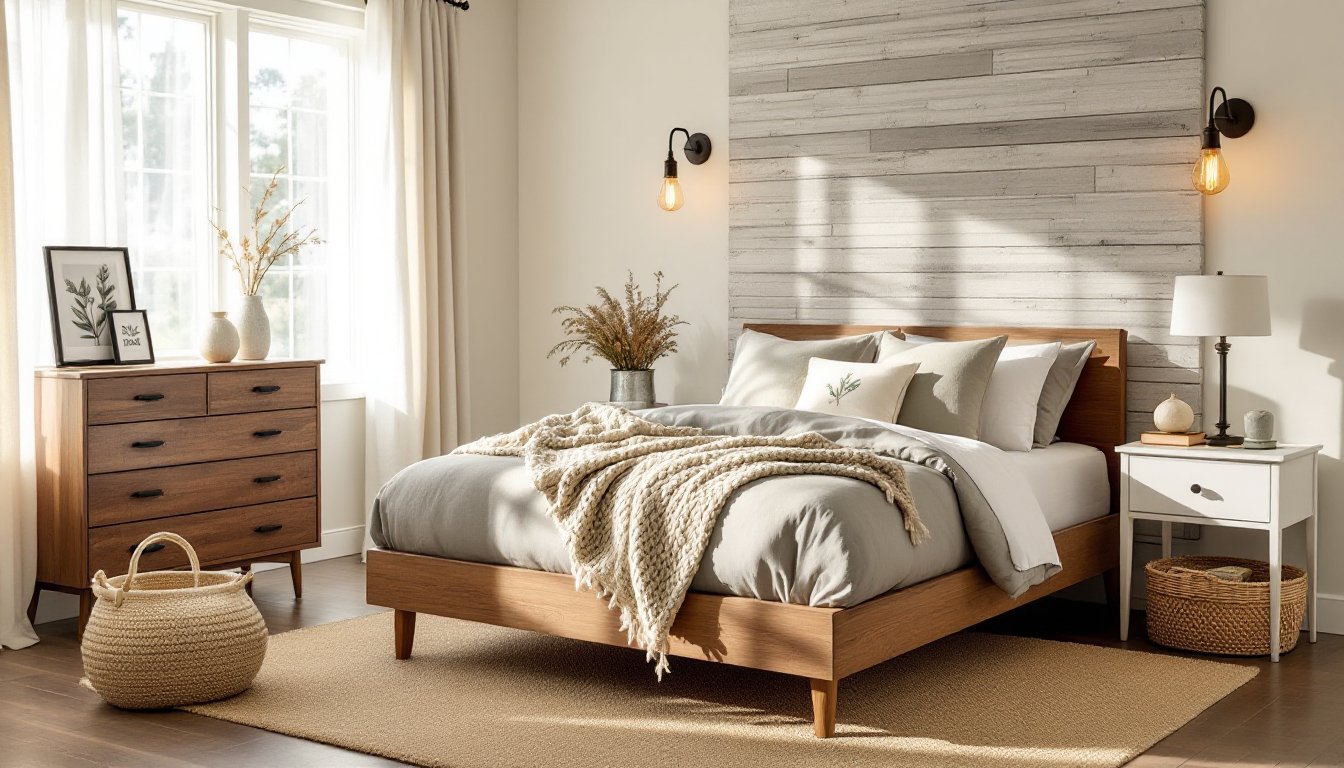
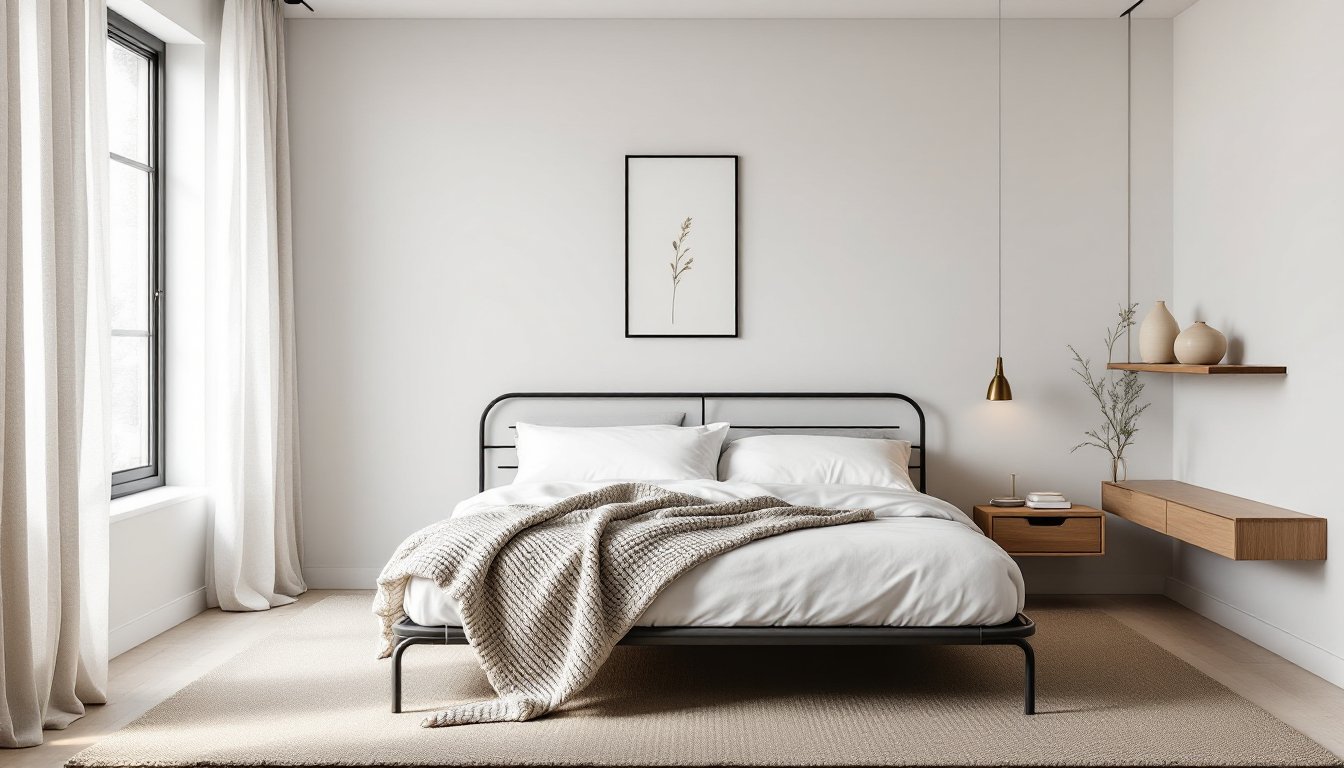
Living Room and Bedroom Updates
Open floor plans continue to dominate home renovation ideas. Removing a non-load-bearing wall between the kitchen and living room creates flow and light. New flooring, whether hardwood, luxury vinyl, or tile, anchors any living space.
Built-in storage solves clutter problems. Custom shelving and closet systems maximize square footage without adding construction.
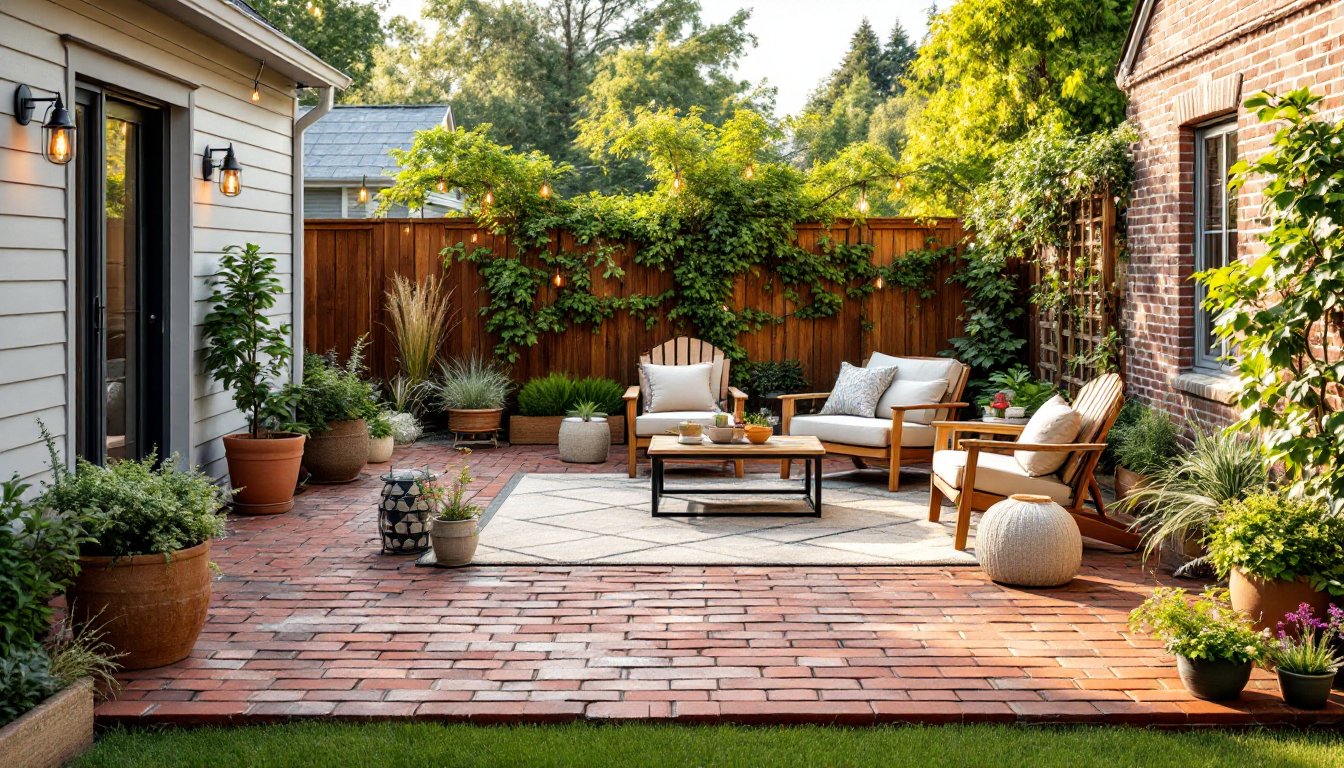
Curb Appeal Improvements
First impressions matter. The exterior sets expectations before anyone steps inside.
Simple upgrades deliver outsized impact:
- Fresh exterior paint or siding – A new color scheme modernizes the entire property.
- Updated front door – A bold, high-quality entry door creates an inviting focal point.
- Landscaping – Mature plants, clean beds, and proper lighting transform any yard.
- New garage door – This single upgrade consistently ranks among the highest ROI home improvements.
These home renovation ideas balance cost with impact. They improve how a home looks, feels, and functions every day.
Smart Strategies for Managing Your Renovation
Great home renovation ideas mean nothing without proper execution. Smart strategies keep projects on schedule and within budget.
Hire the Right Professionals
Not every project needs a contractor. Painting, landscaping, and minor fixture swaps suit confident DIYers. But structural changes, electrical work, and plumbing require licensed professionals. Cutting corners here creates safety hazards and code violations that cost more to fix later.
When hiring contractors, check references and verify licenses. Read online reviews. Ask to see completed projects similar in scope. A trustworthy contractor communicates clearly and provides detailed written estimates.
Create a Realistic Timeline
Renovations take longer than expected. Always. A “two-week” bathroom remodel often stretches to four. Kitchen renovations can run months.
Build buffer time into every schedule. Order materials early, supply chain delays still affect certain products. If the home remains occupied during construction, plan for disruption. Living without a functional kitchen tests anyone’s patience.
Communicate Constantly
Problems grow when left unaddressed. Homeowners should check in with contractors regularly. Weekly site visits and brief phone calls prevent small issues from becoming expensive disasters.
Document everything. Take photos before, during, and after work. Keep all contracts, receipts, and correspondence organized. This paper trail proves invaluable if disputes arise.
Know When to Compromise
Budget overruns force tough choices. Maybe the imported tile becomes domestic. Perhaps the custom cabinets become semi-custom. Flexibility separates successful home renovation strategies from stalled projects.
Prioritize structural and functional elements over purely cosmetic ones. A properly waterproofed shower beats fancy fixtures every time. Good bones outlast trendy finishes.
Handle Permits Properly
Many home renovation ideas require permits. Skipping this step creates legal and financial headaches. Unpermitted work can void insurance, complicate sales, and trigger fines. Check local requirements before starting any significant project.