Home renovation ideas can turn a tired house into a space that works better and looks great. Whether homeowners want to refresh a single room or tackle a whole-house makeover, the right approach makes all the difference. Finding inspiration is just the start. Smart planning, realistic budgets, and clear priorities help bring those ideas to life.
This guide covers how to assess current spaces, discover budget-friendly updates, find fresh inspiration, and plan renovations that deliver real results. Homeowners will learn practical steps to transform their space without wasting time or money on projects that don’t fit their needs.
Table of Contents
ToggleKey Takeaways
- Prioritize home renovation ideas by sorting projects into must-fix problems, functional upgrades, and cosmetic updates to focus your time and budget effectively.
- Budget-friendly kitchen and bathroom updates like painting cabinets, swapping hardware, and upgrading lighting deliver the biggest visual impact for the money spent.
- Explore multiple inspiration sources including Pinterest, Houzz, home improvement store workshops, and contractor consultations to refine your renovation vision.
- Always set a realistic budget with a 20% buffer for unexpected costs like hidden water damage or outdated wiring.
- Get at least three contractor quotes and secure necessary permits before starting any renovation to avoid fines and costly surprises.
- Document everything with before photos, receipts, and warranty information for insurance claims, resale value, and future repairs.
Assess Your Home and Prioritize Projects
Before diving into home renovation ideas, homeowners should take a hard look at their current space. A quick walkthrough reveals what works, what doesn’t, and what needs immediate attention.
Start by making a list. Write down every issue, from the leaky faucet to the outdated kitchen cabinets. Then sort these items into three categories:
- Must-fix problems: Structural issues, water damage, electrical concerns, or anything affecting safety
- Functional upgrades: Changes that improve daily life, like adding storage or updating old appliances
- Cosmetic updates: Paint, fixtures, and finishes that refresh the look without major construction
This sorting process helps homeowners focus their energy. A cracked foundation matters more than new countertops, even if the countertops are more fun to shop for.
Next, consider how each room gets used. A family with young kids might prioritize a mudroom or durable flooring. Empty nesters might want to convert a bedroom into a home office. Home renovation ideas should match real lifestyle needs, not just magazine trends.
Finally, think about resale value. Some projects pay back more than others. Kitchen and bathroom updates typically offer strong returns, while highly personalized changes (like converting a garage into a recording studio) may not appeal to future buyers.
Budget-Friendly Renovation Ideas for Every Room
Great home renovation ideas don’t require a massive budget. Smart updates can refresh any space without very costly.
Kitchen and Bathroom Updates
Kitchens and bathrooms deliver the biggest visual impact for the money spent. Here are affordable ways to upgrade both:
Kitchen improvements:
- Paint existing cabinets instead of replacing them. A fresh coat of white or gray paint costs a fraction of new cabinetry.
- Swap out hardware. New handles and pulls give cabinets an instant facelift for under $200.
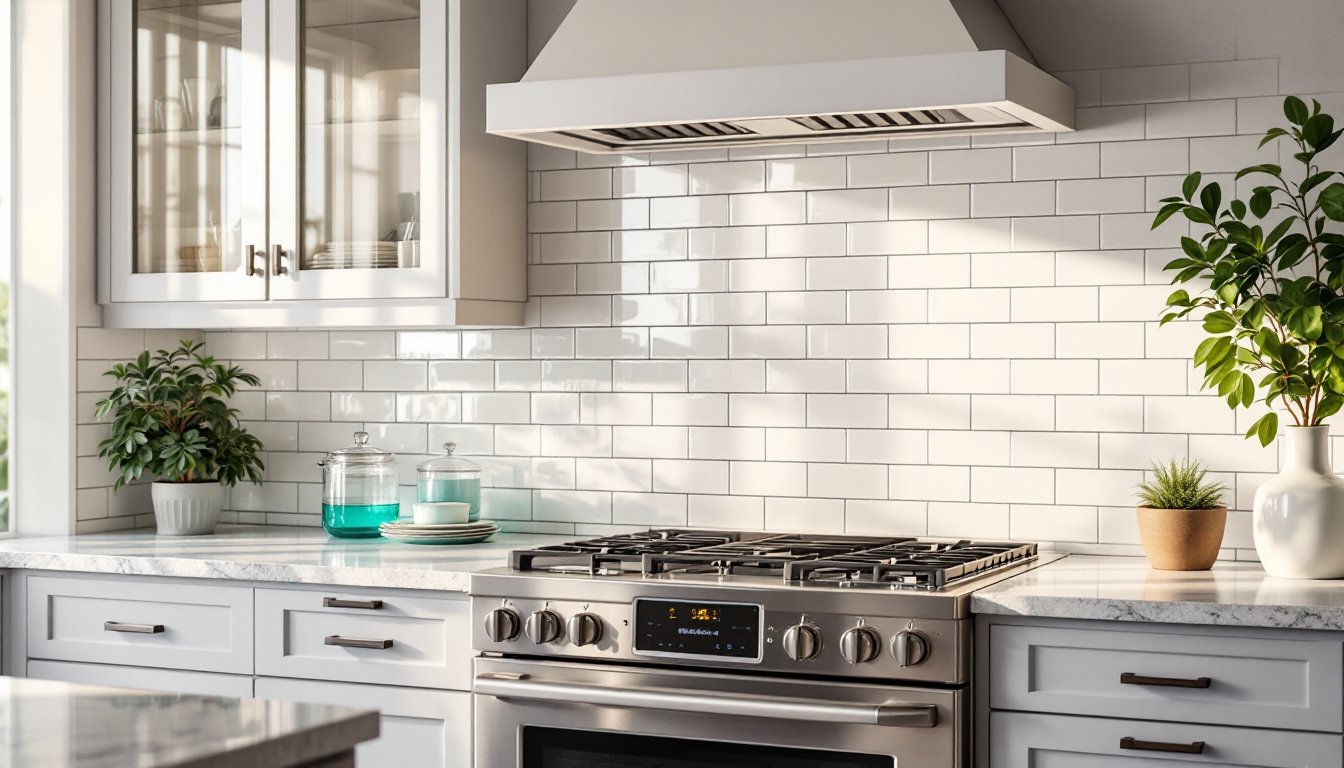
- Install a tile backsplash. Peel-and-stick options look surprisingly good and cost around $50-150.
- Upgrade lighting. Under-cabinet LED strips brighten workspaces and add modern appeal.
Bathroom updates:
- Replace the vanity mirror with a framed version for $100-300.
- Install a new showerhead. Rainfall or handheld options feel luxurious without major plumbing work.
- Re-caulk the tub and shower. Fresh caulk makes everything look cleaner.
- Add open shelving for towels and decor.
These home renovation ideas work because they target high-visibility areas where small changes make big differences.
Living Spaces and Bedrooms
Living rooms and bedrooms benefit from strategic updates that improve both comfort and style:
Living room ideas:
- Paint an accent wall. One bold wall creates visual interest without overwhelming the space.
- Replace outdated ceiling fans with modern fixtures.
- Add crown molding or wainscoting for architectural detail.
- Update outlet covers and light switches to match the room’s style.
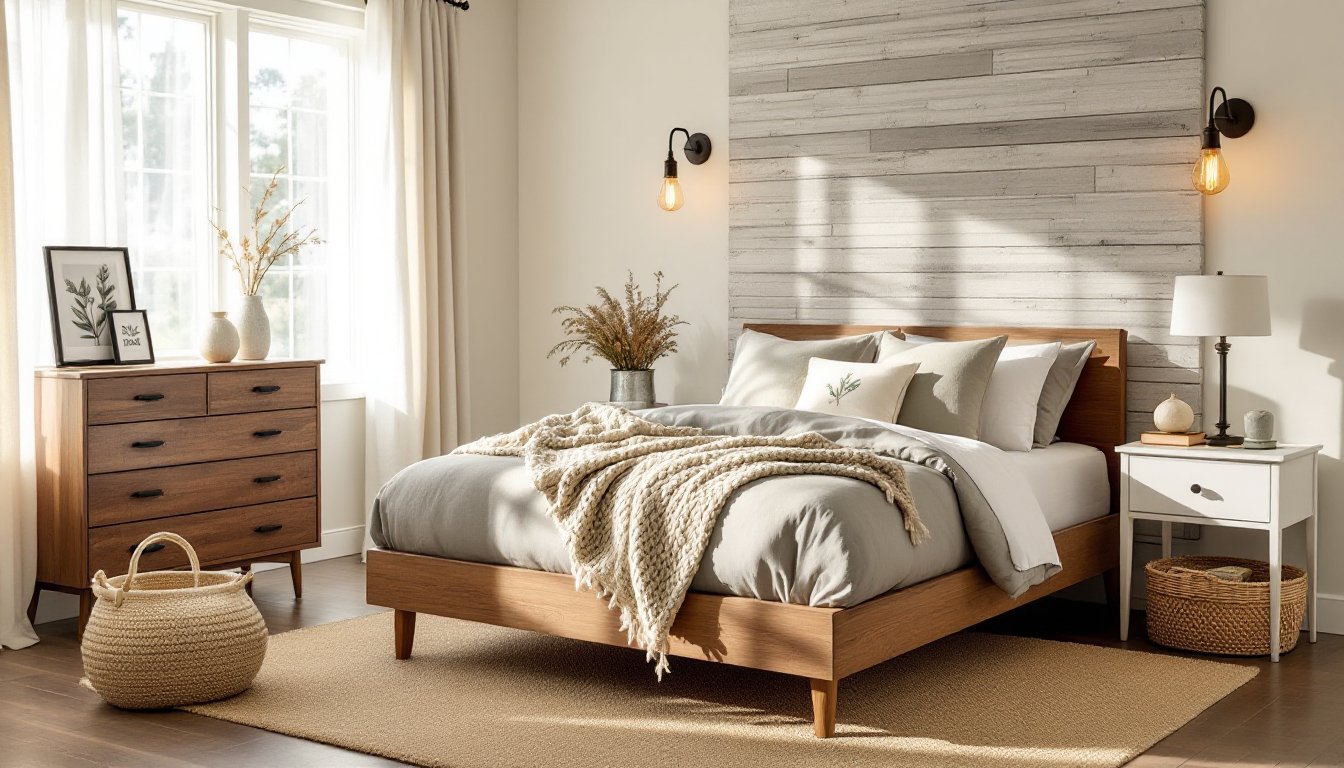
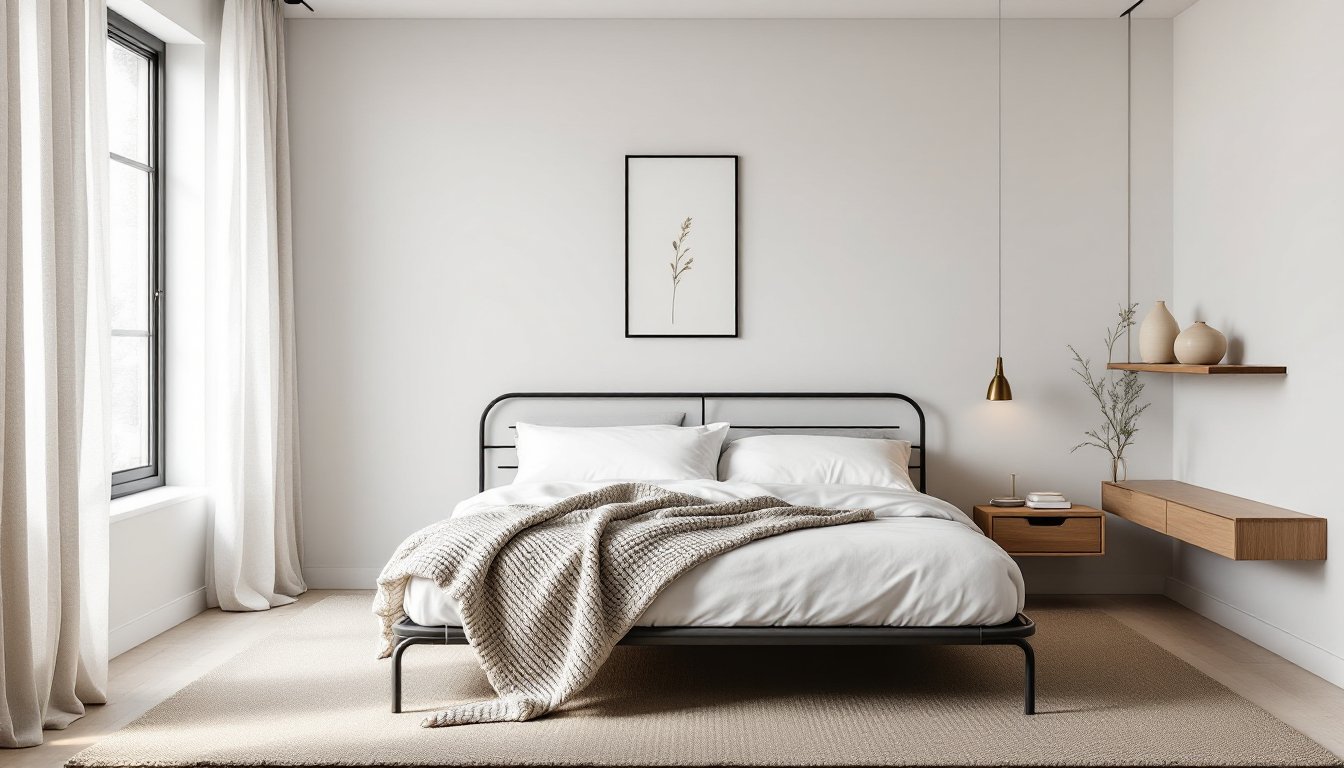
Bedroom updates:
- Install new closet organizers to maximize storage.
- Add a ceiling fan with a light kit for comfort and function.
- Replace hollow-core doors with solid versions for better soundproofing.
- Create a reading nook with built-in shelving.
These projects typically cost between $100-1,000 and can often be completed in a weekend.
Where to Find Inspiration for Your Renovation
Good home renovation ideas come from many sources. Homeowners should explore several before committing to a direction.
Online platforms offer endless inspiration:
- Pinterest boards organize ideas by room, style, or color scheme
- Houzz shows real projects with before-and-after photos
- Instagram hashtags like #homerenovation and #beforeandafter reveal current trends
- YouTube tutorials demonstrate techniques and realistic timelines
In-person resources provide hands-on learning:
- Home improvement stores host free workshops on tiling, painting, and basic carpentry
- Open houses showcase local design choices and quality craftsmanship
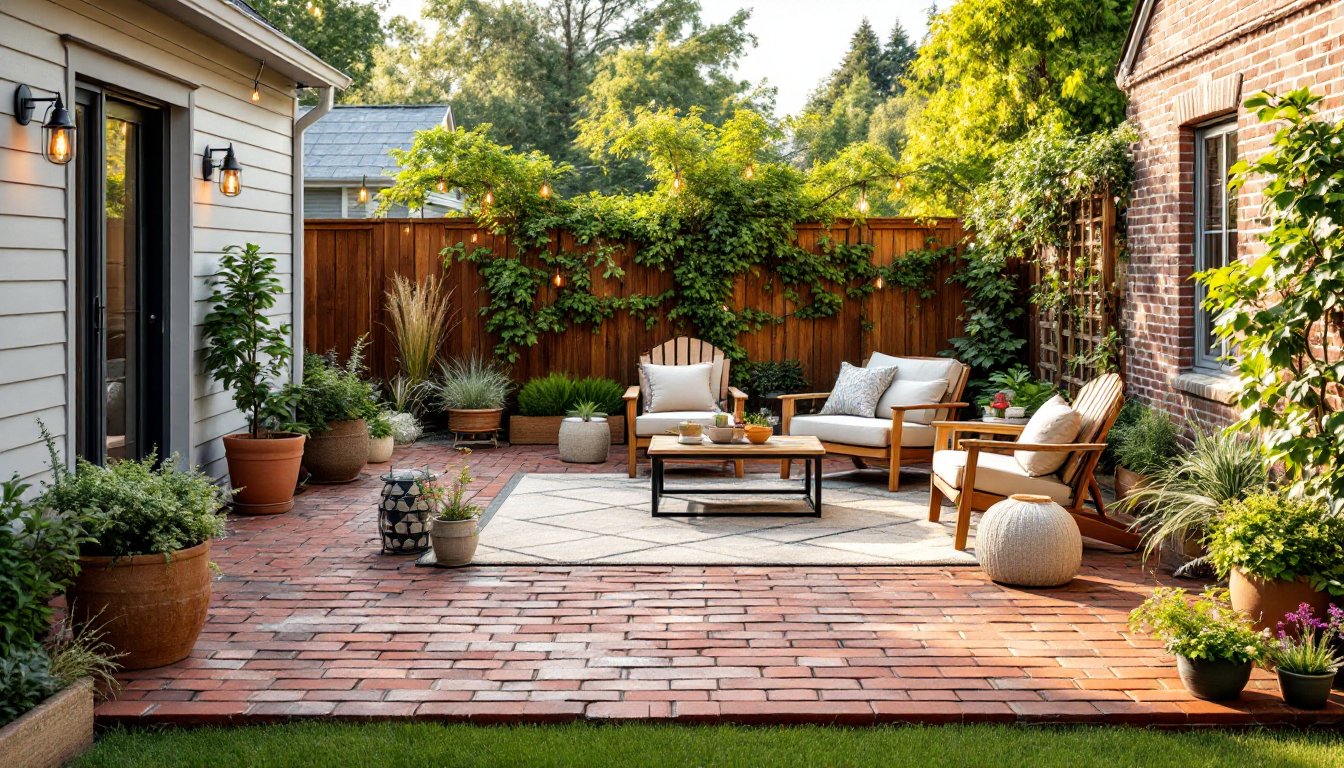
- Neighborhood walks reveal exterior updates that work well in the area
- Home shows and expos let visitors touch materials and talk with contractors
Professional guidance helps refine raw ideas:
- Interior designers offer consultations (some free) to discuss possibilities
- Contractors can assess what’s feasible within specific budgets
- Architects help with structural changes or additions
The best home renovation ideas often combine elements from multiple sources. A homeowner might spot a tile pattern on Pinterest, see a similar color scheme at a neighbor’s house, then work with a contractor to adapt both for their own kitchen.
One tip: save everything that catches the eye, even if it seems too expensive or ambitious. These saved images reveal personal style preferences that guide smaller, more affordable decisions.
Tips for Planning and Executing Your Renovation
Solid planning separates successful home renovation ideas from costly disasters. These strategies keep projects on track.
Set a realistic budget, then add 20%. Unexpected costs pop up in almost every renovation. Hidden water damage, outdated wiring, or discontinued materials can throw off initial estimates. That buffer protects homeowners from stressful mid-project surprises.
Get multiple quotes. Three contractor bids provide a reasonable range for labor costs. If one quote seems dramatically lower, ask why. The cheapest option sometimes cuts corners or underestimates the work involved.
Create a detailed timeline. Map out each phase of the project with specific dates. Include time for ordering materials, permit approvals, and potential delays. Most renovations take 20-30% longer than initially expected.
Secure permits before starting. Many home renovation ideas require permits, especially those involving plumbing, electrical, or structural changes. Skipping permits can result in fines, failed inspections, or problems when selling the home.
Order materials early. Supply chain issues still affect some building materials. Ordering cabinets, tiles, or specialty fixtures 6-8 weeks ahead prevents project delays.
Prepare for disruption. Kitchen renovations mean eating takeout. Bathroom updates might require using facilities elsewhere. Planning for these inconveniences reduces stress.
Communicate clearly with contractors. Weekly check-ins catch problems early. Written agreements on scope, materials, and payment schedules protect both parties.
Document everything. Before photos, receipts, and warranty information prove valuable later, for insurance claims, resale, or future repairs.