Home renovation ideas and tools can transform any living space from outdated to outstanding. Whether someone plans to update a kitchen, refresh a bathroom, or tackle a full home makeover, having the right equipment makes all the difference. The best projects combine creative vision with practical preparation.
This guide covers everything homeowners need to know before starting their next renovation. From power tools that speed up heavy work to hand tools for precision tasks, each section breaks down the essentials. Readers will also find popular renovation ideas that add real value to homes, plus safety tips to keep every project on track.
Table of Contents
ToggleKey Takeaways
- Add 15-20% to your renovation budget to cover unexpected costs like hidden water damage or outdated wiring.
- Essential home renovation tools include a cordless drill, circular saw, oscillating multi-tool, and basic hand tools for precision work.
- Kitchen and bathroom updates deliver the strongest return on investment among home renovation ideas.
- Always wear safety glasses, hearing protection, and dust masks when using power tools during renovation projects.
- Know your limits—electrical work, gas lines, and structural changes require licensed professionals and permits.
- Proper planning and research before starting prevents scope creep, budget overruns, and costly mid-project surprises.
Planning Your Home Renovation Project
Every successful renovation starts with a solid plan. Homeowners who skip this step often face budget overruns, delays, and frustrating surprises mid-project.
Set a Realistic Budget
Most renovation experts recommend adding 15-20% to the initial budget estimate for unexpected costs. A kitchen remodel might uncover outdated wiring. A bathroom update could reveal water damage behind walls. Having financial cushion prevents these discoveries from derailing the entire project.
Define the Scope
Before buying any home renovation tools, homeowners should list exactly what they want to accomplish. Questions to answer include:
- Which rooms need work?
- Are structural changes required?
- Will permits be necessary?
- What’s the timeline?
Writing down specific goals helps prevent scope creep, that tempting urge to add “just one more thing” that balloons costs and timelines.
Research Before Starting
Smart renovators study similar projects online, visit home improvement stores, and talk to contractors even if they plan to DIY. This research phase reveals realistic costs, common pitfalls, and which home renovation ideas actually work in practice versus just looking good on social media.
Must-Have Power Tools for Home Renovations
Power tools turn weekend projects into manageable tasks. The right equipment saves hours of manual labor and delivers professional-quality results.
Cordless Drill/Driver
A cordless drill ranks as the single most useful power tool for any renovation. It drives screws, drills holes, and handles countless tasks around the house. Look for models with lithium-ion batteries rated at 18V or higher for enough power to tackle hardwood and metal.
Circular Saw
Cutting lumber, plywood, and trim requires a reliable circular saw. This tool makes straight cuts quickly and accurately. Homeowners working on flooring, framing, or deck projects will use it constantly.
Oscillating Multi-Tool
This versatile tool cuts, sands, scrapes, and grinds in tight spaces where other tools can’t reach. It’s perfect for removing grout, cutting door jambs, or trimming baseboards flush with the floor.
Reciprocating Saw
Demolition work demands a reciprocating saw. It cuts through wood, metal, and even nails with ease. Any renovation involving removal of old materials benefits from this aggressive cutting tool.
Jigsaw
For curved cuts and detailed work, a jigsaw fills the gap. It handles cutouts for sinks, outlets, and decorative trim pieces that straight-cutting tools can’t manage.
Essential Hand Tools Every Homeowner Needs
Hand tools remain essential even with a garage full of power equipment. They offer precision, portability, and reliability that batteries can’t match.
Measuring and Marking
A 25-foot tape measure handles most residential projects. A speed square helps mark straight lines and check angles quickly. Pencils beat markers because marks can be sanded away. A level, either 4-foot or torpedo size, ensures installations hang straight.
Cutting and Shaping
Hand saws still have their place for quick cuts when setting up power tools takes longer. A utility knife handles everything from opening packages to scoring drywall. Chisels clean out mortises and scrape away dried adhesive.
Fastening and Adjusting
A quality hammer with a 16-oz head suits most home renovation work. Screwdrivers in both Phillips and flathead varieties remain necessary even though cordless drills. Pliers, adjustable wrenches, and a pry bar round out the fastening toolkit.
Organization Matters
Homeowners who invest in proper tool storage save time on every project. A tool belt keeps essentials within reach. A well-organized toolbox means less hunting and more working. These small efficiencies add up across longer renovation projects.
Popular Renovation Ideas to Transform Your Space
The best home renovation ideas balance visual impact with practical value. These projects consistently deliver strong returns and improved daily living.
Kitchen Updates
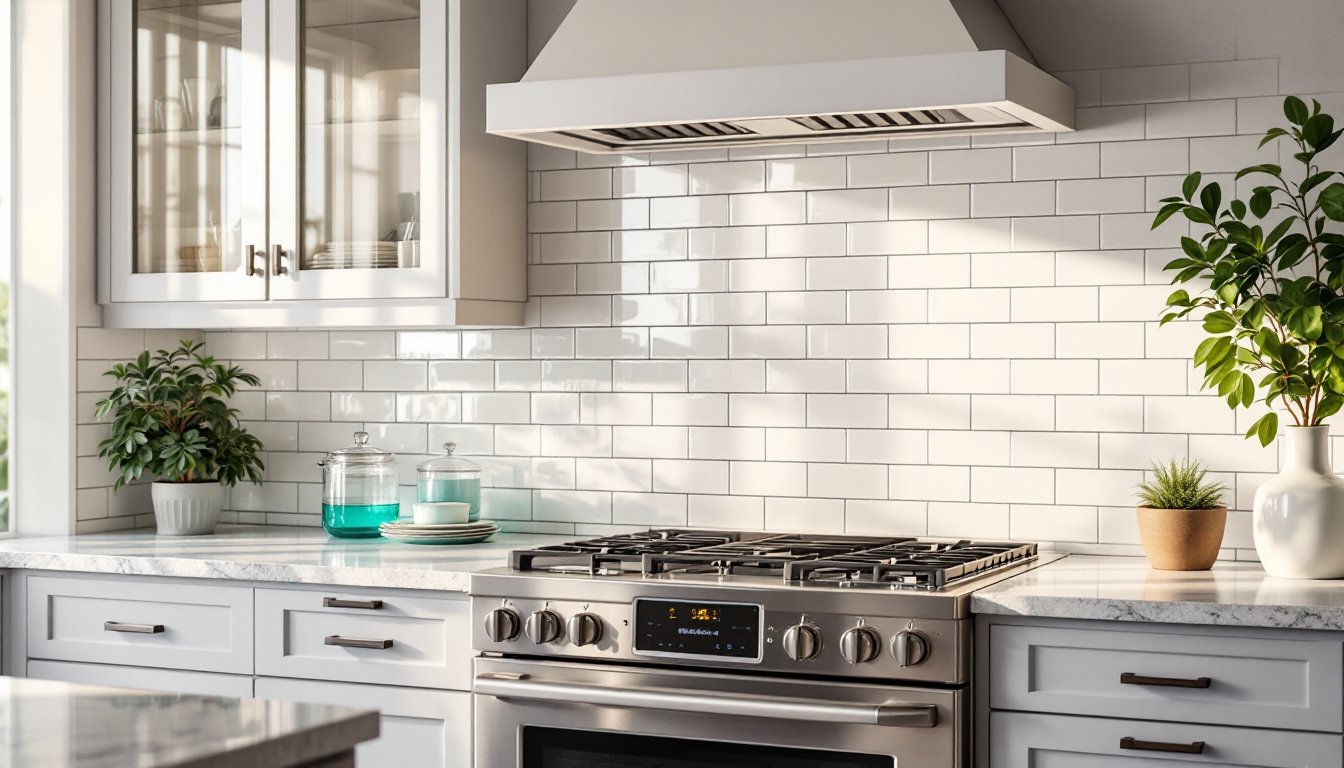
Kitchens drive home value more than any other room. Simple updates like painting cabinets, replacing hardware, and installing new lighting transform the space without major construction. For bigger budgets, new countertops and appliances create a complete refresh.
Bathroom Refreshes
Updated bathrooms appeal to buyers and improve daily routines. Replacing vanities, adding modern fixtures, and installing new tile makes bathrooms feel like spa retreats. Even small changes like new mirrors and towel bars create noticeable improvement.
Open Floor Plan Conversions
Removing walls between kitchens and living areas remains popular. This renovation requires structural assessment and possibly permits, but the result creates modern flow and better entertaining space. It’s one of the bigger home renovation ideas that genuinely changes how a home feels.
Outdoor Living Spaces
Decks, patios, and outdoor kitchens extend usable living area. These projects often cost less per square foot than interior work while adding significant appeal. Homeowners in temperate climates see especially strong returns here.
Energy Efficiency Upgrades
New windows, added insulation, and updated HVAC systems reduce utility bills and improve comfort. These renovations may qualify for tax credits and rebates, offsetting initial costs while delivering ongoing savings.
Safety Equipment and Best Practices
Renovation work creates hazards that proper safety equipment and practices can prevent. Cutting corners here risks serious injury.
Personal Protective Equipment
Safety glasses protect eyes from flying debris, dust, and chemicals. They should be worn during any cutting, drilling, or demolition work. Hearing protection matters when using loud power tools, sustained exposure above 85 decibels causes permanent hearing damage.
Work gloves protect hands from splinters, sharp edges, and abrasions. Dust masks or N95 respirators filter particles when sanding, cutting drywall, or working with insulation. Older homes may contain asbestos or lead paint, requiring specialized protection.
Work Area Safety
Keeping work areas clean prevents trips and falls. Extension cords should be rated for the tools being used and kept clear of walkways. Proper lighting helps prevent mistakes that cause injuries.
When working at height, sturdy ladders and scaffolding prevent falls. Homeowners should never stand on chairs, buckets, or the top steps of ladders.
Know Your Limits
Some home renovation ideas require professional help. Electrical work, gas line modifications, and structural changes often need permits and licensed contractors. Attempting these without proper training risks injury and may void insurance coverage. Smart DIYers know when to call for backup.