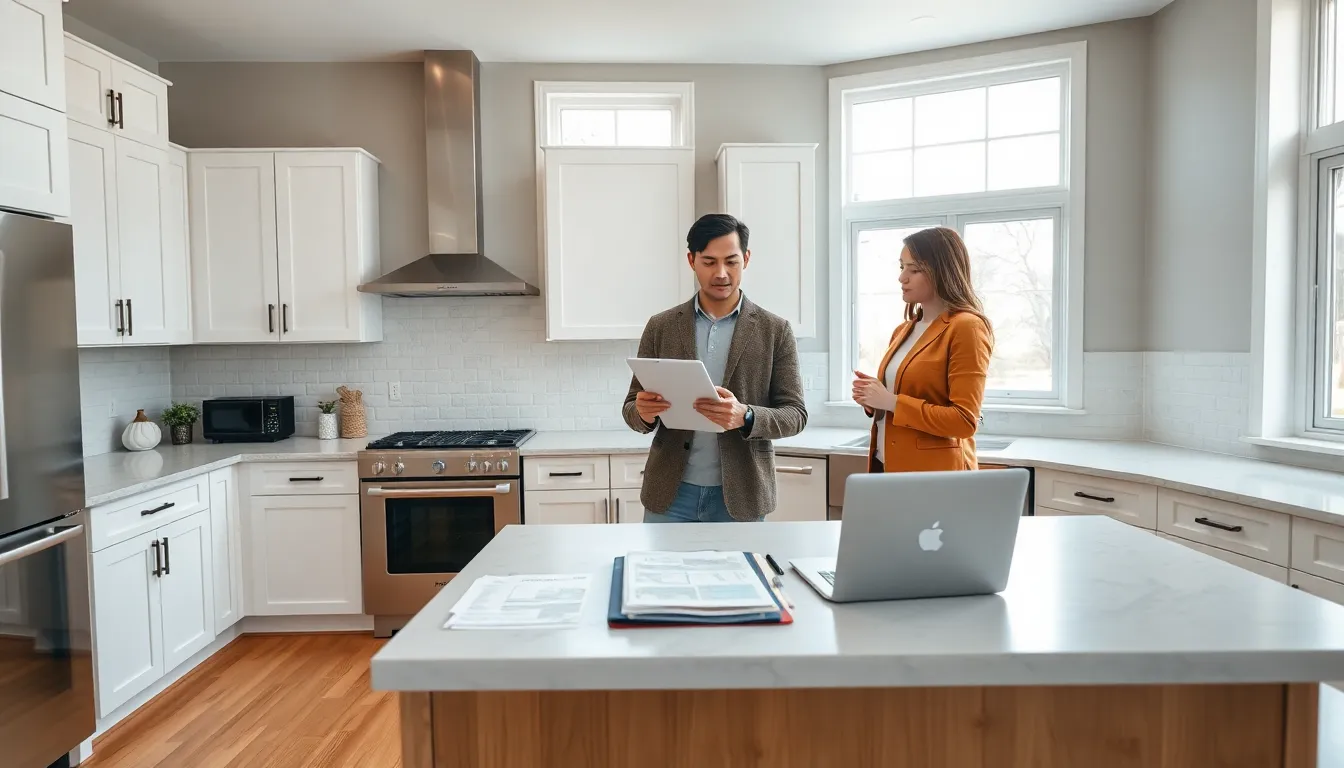
Home renovation ideas and tips can transform a dated property into a modern, functional space. Whether homeowners want to update a single room or tackle a whole-house remodel, proper planning makes all the difference. A successful renovation project requires smart budgeting, strategic priorities, and the right mix of DIY effort and professional help. This guide covers essential strategies to help any homeowner get the most value from their investment while avoiding common pitfalls.
Table of Contents
ToggleKey Takeaways
- Set aside 10-20% of your home renovation budget for unexpected costs like hidden water damage or structural issues.
- Focus your home renovation ideas on high-impact rooms like kitchens and bathrooms, which recoup 60-80% of costs at resale.
- Choose timeless design elements such as neutral paint colors, classic subway tile, and shaker-style cabinets to avoid frequent updates.
- Handle simple DIY projects like painting and hardware installation yourself, but hire licensed professionals for electrical, plumbing, and structural work.
- Boost curb appeal affordably with a fresh front door, landscape lighting, and low-maintenance shrubs for immediate visual impact.
- Combine DIY effort with professional help to control renovation costs while ensuring critical work meets safety codes.
Set a Realistic Budget Before You Begin
Every successful home renovation starts with a clear budget. Homeowners should determine how much they can afford to spend before contacting contractors or visiting showrooms. A good rule of thumb is to set aside 10-20% of the total budget for unexpected costs. Surprises happen, hidden water damage, outdated wiring, or structural issues can appear once walls come down.
To create an accurate budget, homeowners should:
- Get multiple quotes from contractors for major work
- Research material costs for flooring, fixtures, and finishes
- Factor in permit fees if the project requires them
- Include costs for temporary housing if the renovation makes the home unlivable
Financing options also matter. Home equity loans, personal loans, and credit cards each have different interest rates and terms. Homeowners who plan to sell within five years should focus their renovation budget on projects with the highest return on investment. Kitchen and bathroom updates typically recoup 60-80% of their cost at resale.
One common mistake? Falling in love with expensive materials before checking the price tag. Smart renovators start with their budget number and work backward to find materials that fit.
Focus on High-Impact Rooms First
Not all rooms deliver equal value. Home renovation ideas should prioritize spaces that affect daily life the most and offer the best return. Kitchens and bathrooms top the list for most homeowners, followed by living areas and exterior improvements.
Kitchen and Bathroom Updates
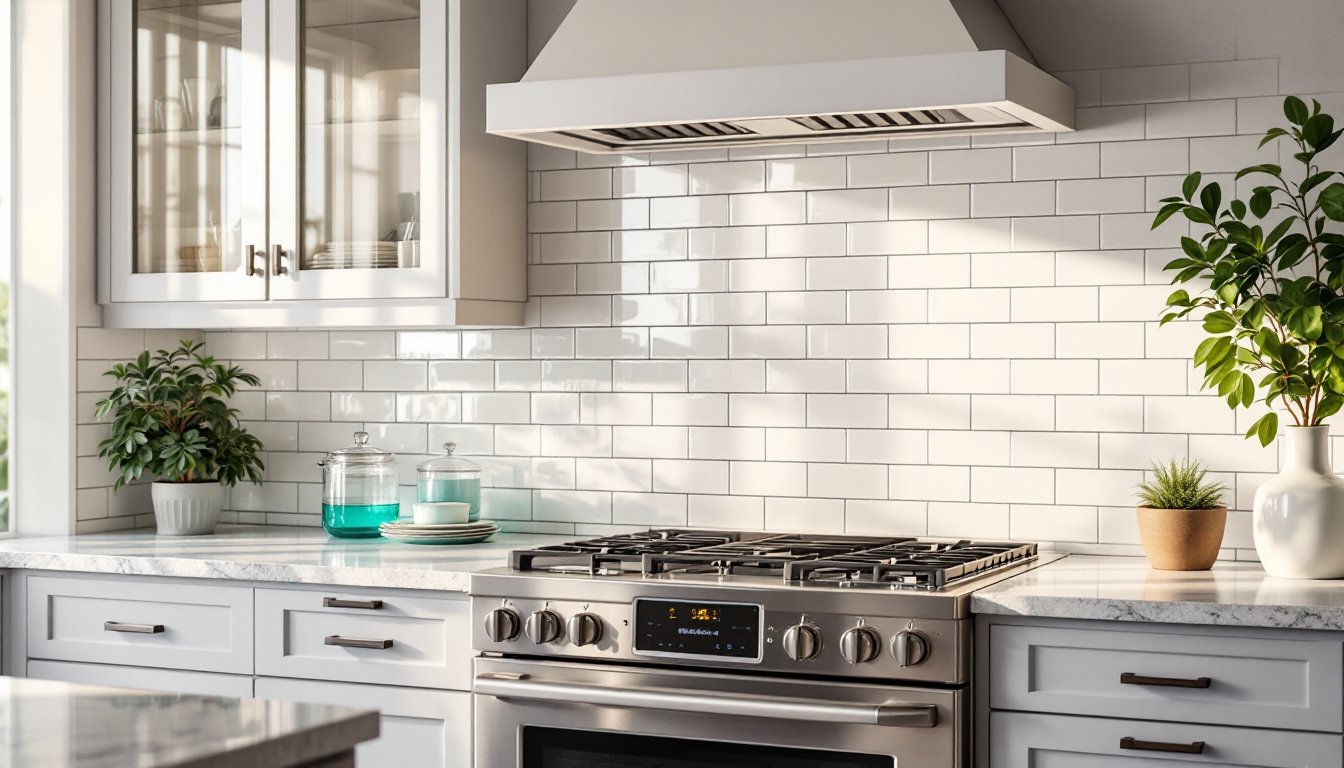
The kitchen remains the heart of most homes. Simple updates like new cabinet hardware, modern lighting fixtures, and fresh paint can refresh the space without a full remodel. For bigger budgets, replacing countertops with quartz or granite, installing new appliances, and adding a tile backsplash create dramatic results.
Bathroom renovations offer excellent value for the money spent. Homeowners can update a bathroom for $5,000-$15,000 with new vanities, fixtures, and tile work. Key improvements include:
- Replacing old toilets with water-efficient models
- Installing a new vanity with updated storage
- Adding better lighting around mirrors
- Upgrading to a frameless glass shower door
These changes make bathrooms feel larger and more modern without moving plumbing, a major cost saver.
Living Spaces and Curb Appeal
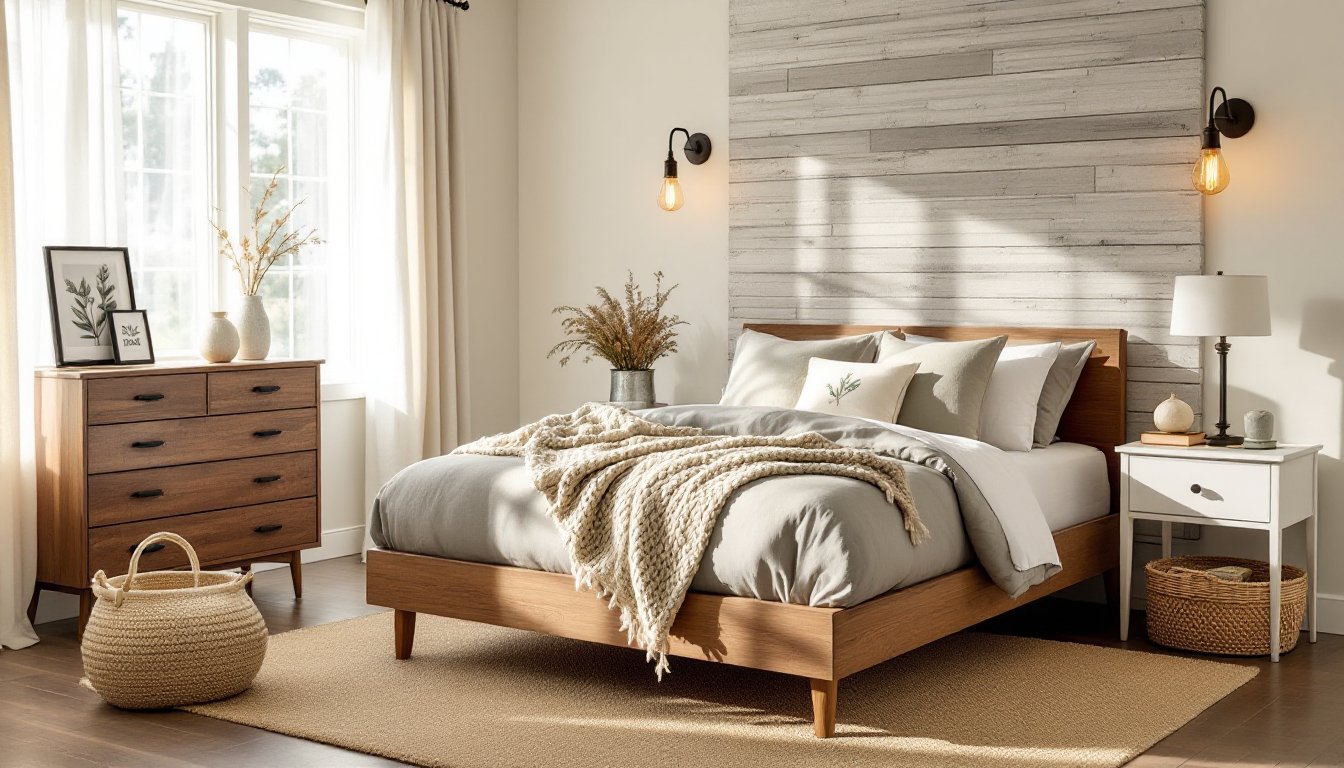
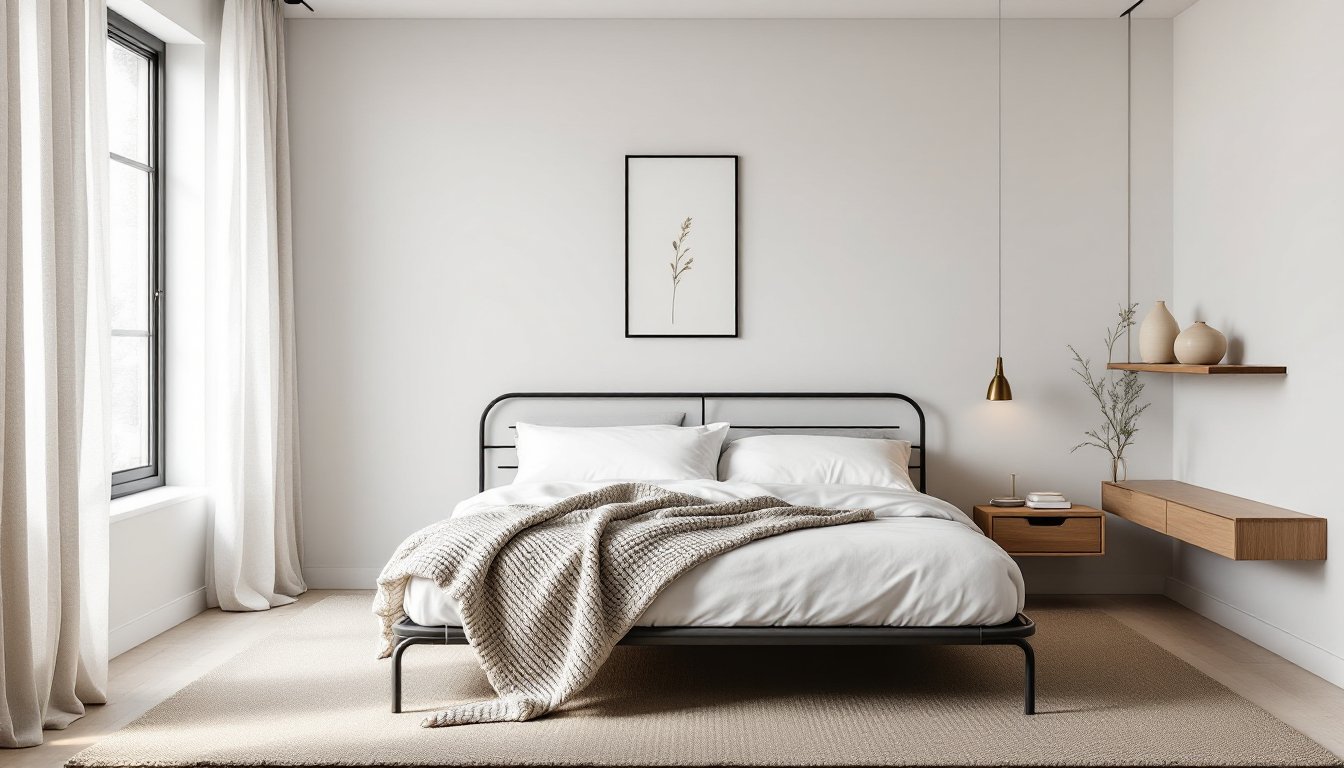
Living rooms and bedrooms benefit from cosmetic updates. Fresh paint, new flooring, and updated lighting transform these spaces quickly. Hardwood floors or quality laminate add value and appeal to buyers.
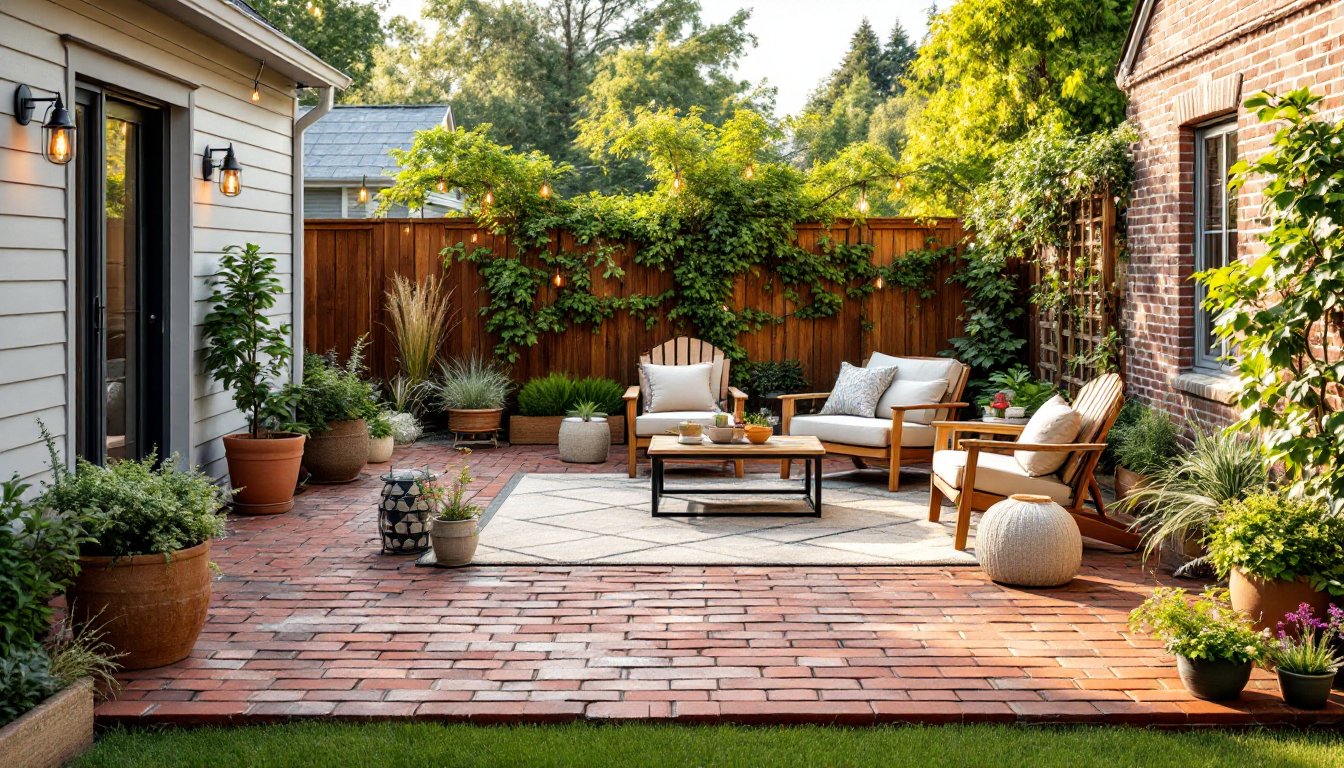
Curb appeal matters more than many homeowners realize. First impressions start at the street. Simple exterior home renovation tips include:
- Painting or replacing the front door
- Adding landscape lighting
- Updating house numbers and mailbox
- Power washing siding and walkways
- Planting low-maintenance shrubs
These exterior improvements cost relatively little but create immediate visual impact.
Choose Timeless Design Elements
Trends come and go. Home renovation ideas that stand the test of time save money in the long run. Homeowners who chase every design fad often find themselves renovating again in five years.
Timeless choices include:
- Neutral paint colors for walls (white, gray, beige)
- Classic subway tile in kitchens and bathrooms
- Shaker-style cabinets that work with multiple design aesthetics
- Hardwood or natural stone flooring
- Simple, clean-lined fixtures and hardware
This doesn’t mean every room needs to look boring. Homeowners can add personality through easily changeable elements like throw pillows, artwork, curtains, and decorative accessories. These items cost less to replace when tastes change.
Material quality matters too. Cheap materials might save money upfront but often need replacement sooner. Mid-grade to high-grade materials in high-traffic areas provide better long-term value. A quality tile floor in an entryway will outlast cheap laminate by decades.
Color trends deserve special caution. That trendy teal accent wall might feel dated in three years. Stick with neutral bases and add color through paint and accessories that can change with the seasons or with shifting preferences.
Know When to DIY and When to Hire Professionals
Home renovation tips often overlook one critical question: who should do the work? Some projects make perfect DIY weekend tasks. Others require licensed professionals for safety and legal reasons.
Good DIY projects include:
- Painting walls and ceilings
- Installing new hardware on cabinets
- Replacing light fixtures (with power off)
- Laying peel-and-stick flooring or tile
- Basic landscaping and planting
- Assembling and installing shelving
These tasks require basic tools and some patience, but most homeowners can handle them with YouTube tutorials and a free weekend.
Hire professionals for:
- Electrical work beyond simple fixture swaps
- Plumbing that involves moving pipes
- Structural changes like removing walls
- Roof repairs or replacement
- HVAC system installation
- Gas line work of any kind
Cutting corners on these projects creates safety hazards and can void home insurance. Many jurisdictions require permits and licensed contractors for electrical and plumbing work. Unpermitted work can cause problems when selling the home later.
The best approach combines both strategies. A homeowner might hire a contractor to install a new bathroom vanity but handle the painting and hardware installation themselves. This hybrid method controls costs while ensuring critical work meets code requirements.