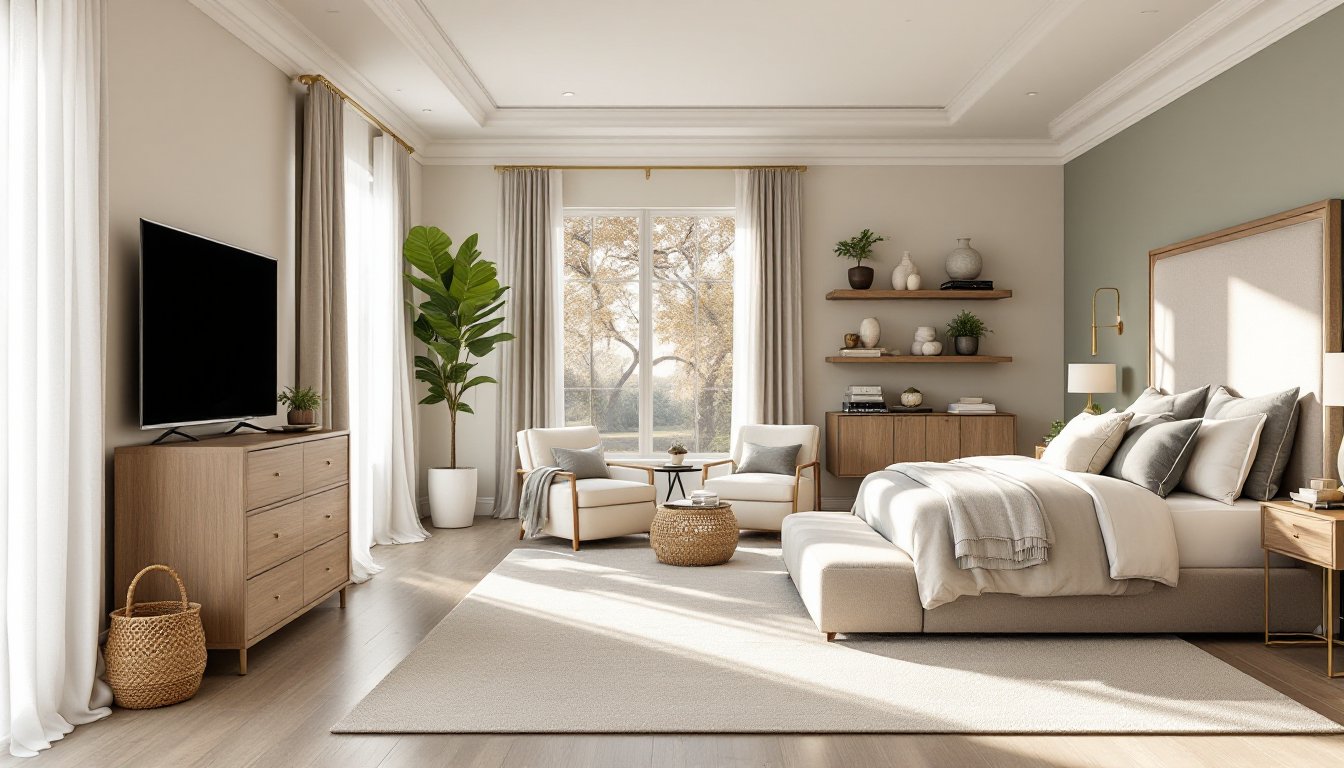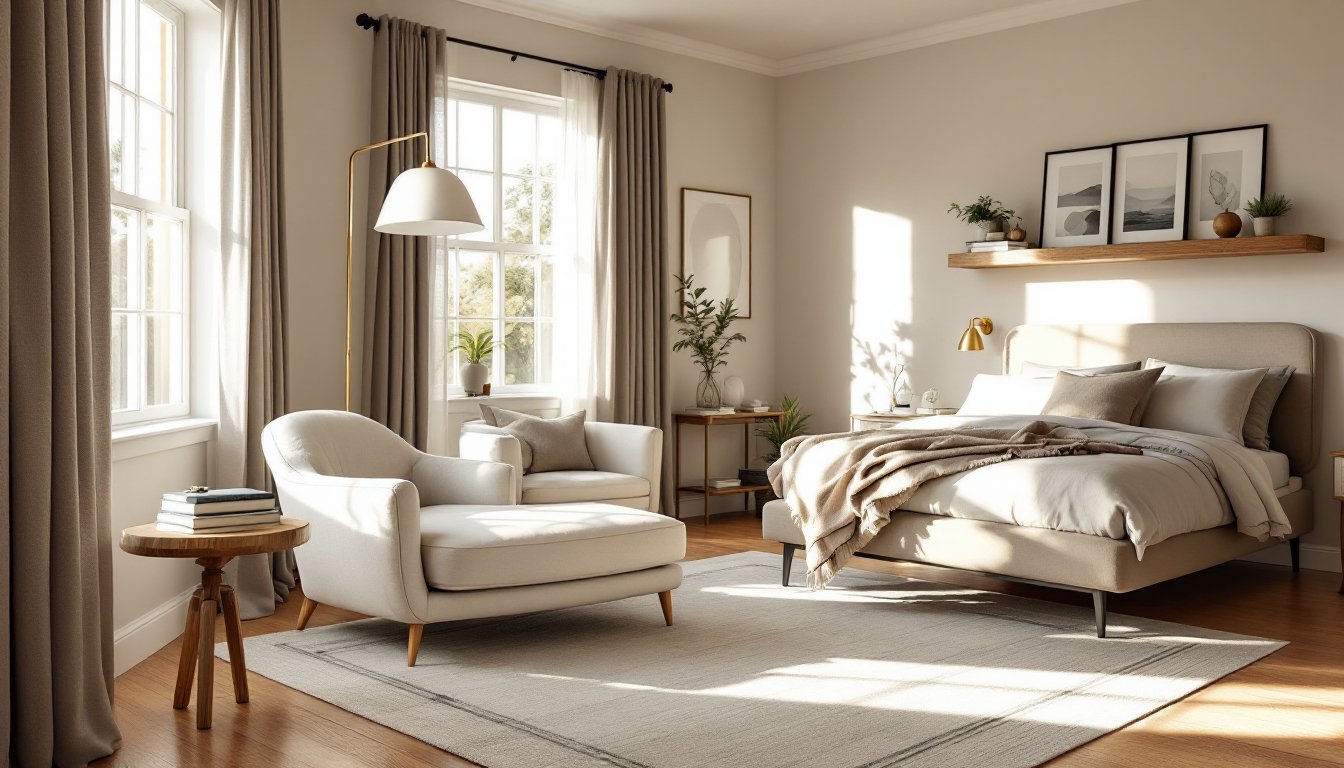
A master bedroom with a separate sitting area transforms a bedroom from merely a place to sleep into a personal sanctuary. Whether you’re reading, working from home, or just escaping the rest of the household, a dedicated seating zone elevates your retreat. The key isn’t square footage, it’s smart layout and intentional design. Even compact master bedrooms can accommodate a functional sitting area with the right approach. This guide walks through layout strategies, furniture selection, and design ideas to help you create a dual-purpose space that feels cohesive and inviting.
Table of Contents
ToggleKey Takeaways
- A master bedroom with a separate sitting area transforms your bedroom into a personal sanctuary without requiring excessive square footage—even compact spaces can accommodate a functional sitting zone with smart layout and design.
- The three most effective layout strategies are corner placement (tucks seating into unused space), foot-of-bed positioning (works in rectangular rooms with 8+ feet of wall space), and floating partitions (ideal when corners and walls aren’t available).
- Start with one anchor furniture piece like a mid-back accent chair or chaise lounge (32–36 inches tall), pair it with a smaller supporting chair and side table, and prioritize durable, performance fabrics that resist dust and pet hair.
- Layered lighting is essential for a dual-purpose master bedroom sitting area—use a floor lamp with a dimmer switch, add a desk or wall-mounted lamp for work zones, and opt for warm color temperature bulbs (2700–3000K) to promote relaxation.
- Design your sitting area to complement your bedroom’s overall aesthetic, whether modern farmhouse, contemporary/minimalist, or luxury/transitional, using throw blankets, decorative pillows, and wall artwork to inject personality on a budget.
- Avoid large area rugs and heavy furniture pieces that create visual clutter; instead, use 2-by-3-foot or 3-by-5-foot throw rugs and maintain clear traffic flow pathways from the door to the bed and into the sitting zone.
Defining Your Master Bedroom Sitting Area
A sitting area doesn’t require a massive footprint. A corner nook with two chairs and a small table can serve the purpose, or you might carve out a more defined zone with a chaise lounge and a reading lamp. The first step is deciding what you’ll actually use it for: reading, working, relaxing, dressing, or entertaining an intimate conversation with a partner.
Consider your daily rhythm. If you work from home, you’ll prioritize a sturdy desk setup with good lighting and quiet. If you mostly unwind after work, a comfortable seating arrangement facing a window or a view within the room becomes the priority. Honestly assess the room’s square footage too. A 200-square-foot bedroom can handle a small sitting area without overwhelming the sleeping zone: a 140-square-footer requires more strategic placement to avoid feeling cramped.
Measure the actual usable wall space and floor area before sketching anything out. Account for traffic flow, you’ll need clear paths from the door to the bed and into the sitting area without awkward detours. Account also for furniture depth: a sofa typically needs 36 inches of clearance in front to be usable, while a single accent chair works in tighter spaces.
Layout Strategies for Maximum Space Efficiency
The most successful master bedrooms with sitting areas use one of three layouts: corner placement, foot-of-bed positioning, or a floating zone partition.
Corner placement is the workhorse strategy. It tucks the sitting area into unused corner square footage and visually separates it from the bed without requiring walls. A chaise lounge and accent chair angled into a corner with a side table creates a cozy pocket that doesn’t compete for visual attention with the sleeping area. Alternatively, a small desk and bookshelf in a corner work well for those who need focused work space.
Footer-of-bed positioning places a seating area directly opposite or perpendicular to the foot of the bed. This works in rectangular rooms where you have 8+ feet of wall space at the bedroom’s far end. A low-profile sofa or built-in bench here keeps sightlines open so the room doesn’t feel chopped up. It’s also ideal if you want to face the door or a window while seated.
A floating partition, a tall bookshelf, room divider, or even a fabric screen, can create a sitting area in the middle of the room if corners and walls don’t work. This requires careful furniture selection so the partition doesn’t block natural light or make circulation awkward.
Furniture Selection and Arrangement
Start with one anchor piece, a comfortable accent chair, small sofa, or chaise lounge. This is your biggest visual and functional investment. A mid-back chair (32–36 inches tall) maintains sight lines and feels less imposing than a full sectional in a bedroom context. A chaise works exceptionally well for master bedrooms since it’s lounge-like without being a full sofa.
Pair the main piece with one smaller supporting chair, a side table (18–24 inches square works for most spaces), and a floor lamp. Avoid matching suites: mismatched but complementary pieces feel more curated and less “guest bedroom set.” Opt for upholstery in durable fabrics, linens, cotton blends, or performance fabrics resist dust and pet hair better than velvet in a bedroom.
Skip large area rugs in sitting zones: they’re dust magnets. Instead, use a 2-by-3-foot or 3-by-5-foot throw rug to anchor the seating arrangement without consuming the entire corner. Make sure it’s washable or performance-grade.
Design Styles and Decor Inspiration
Your sitting area should flow visually with your bedroom’s overall aesthetic, but it doesn’t have to be identical. A minimalist bedroom can host a cozy, layered sitting zone: a traditional master can include one modern accent chair for contrast.
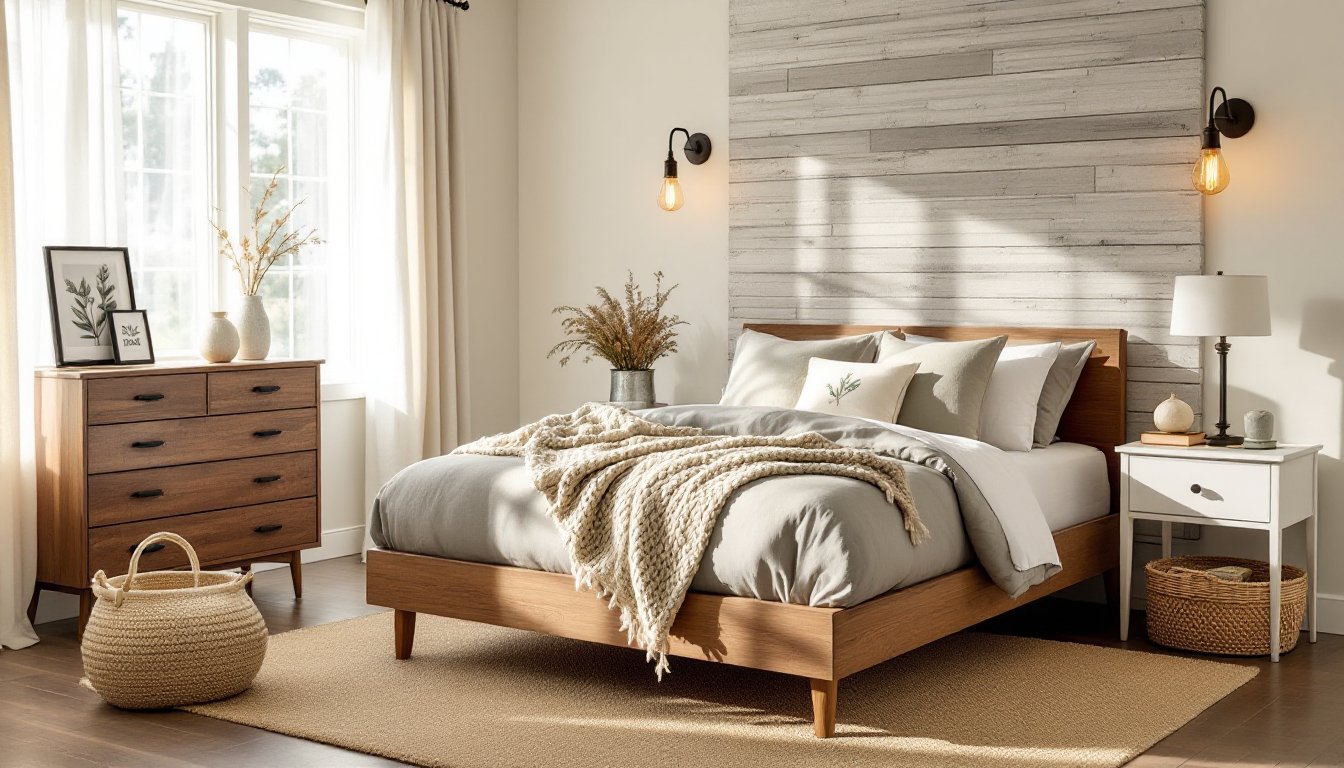
Modern Farmhouse is a popular choice for master bedrooms. Think natural wood frames, linen upholstery, and soft neutrals paired with vintage-inspired accessories. Reclaimed wood shelving or a simple wooden side table grounds the space. master bedroom interior designs inspired by modern farmhouse style for specific examples and room layouts.
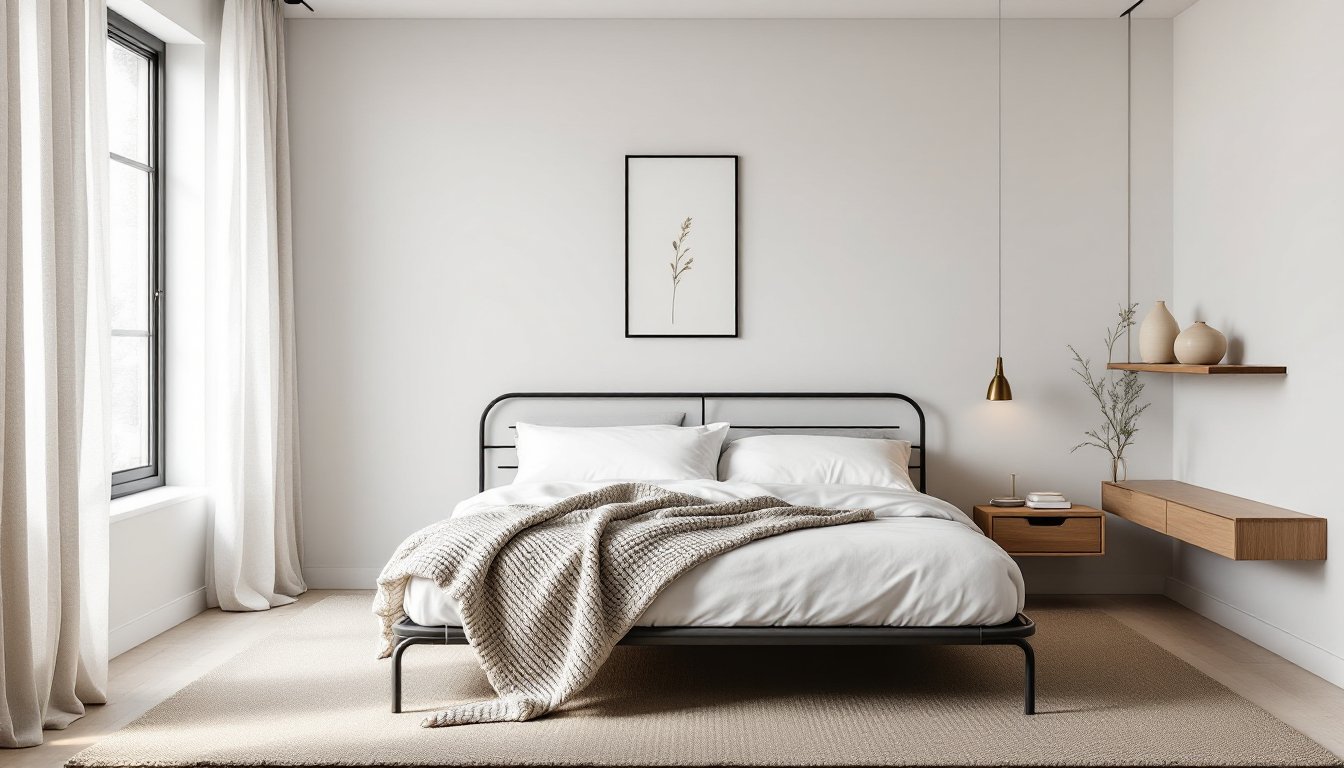
Contemporary/Minimalist keeps the sitting area sparse and functional. A single low-profile chair in a neutral fabric, a simple side table, and task lighting create an uncluttered retreat. This works especially well in smaller bedrooms since it doesn’t compete for visual attention.
Luxury/Transitional blends traditional comfort with modern simplicity. A velvet or leather wingback chair, brass or brushed-gold accents, and layered lighting create an upscale lounge feeling. Resources like MyDomaine and Elle Decor showcase designer approaches to bedroom seating that balance comfort with style.
Inject personality through throw blankets, decorative pillows, and artwork on the walls above or behind the seating area. These elements cost less than furniture but transform the vibe entirely.
Lighting and Ambiance for Dual-Purpose Spaces
Lighting makes or breaks a sitting area. A single overhead ceiling fixture doesn’t cut it, you need layered light for reading, working, and relaxing.
Start with a floor lamp with a dimmer switch positioned behind or beside the main seating piece. This provides focused task light for reading without creating harsh shadows. A swing-arm lamp mounted on the wall saves floor space in tight corners. If your sitting area includes a small desk, add a desk lamp or pendant light above it: this keeps work light separate from ambient light so you’re not bathed in task light while trying to relax.
Use warm color temperature bulbs (2700–3000K) in sitting areas to promote relaxation. Cool white light (5000K+) is fine for desk work, but it can feel institutional in a bedroom. Install bulbs on dimmer switches wherever possible, the ability to dial light up or down makes a huge difference in how the space feels.
Avoid table lamps with heavy, dark shades that eat light. Instead, choose linen or translucent shades that diffuse warmth. String lights or a small wall sconce add ambiance without taking up table or floor space. Bedroom lighting doesn’t have to be complicated, but it should be intentional and controllable.