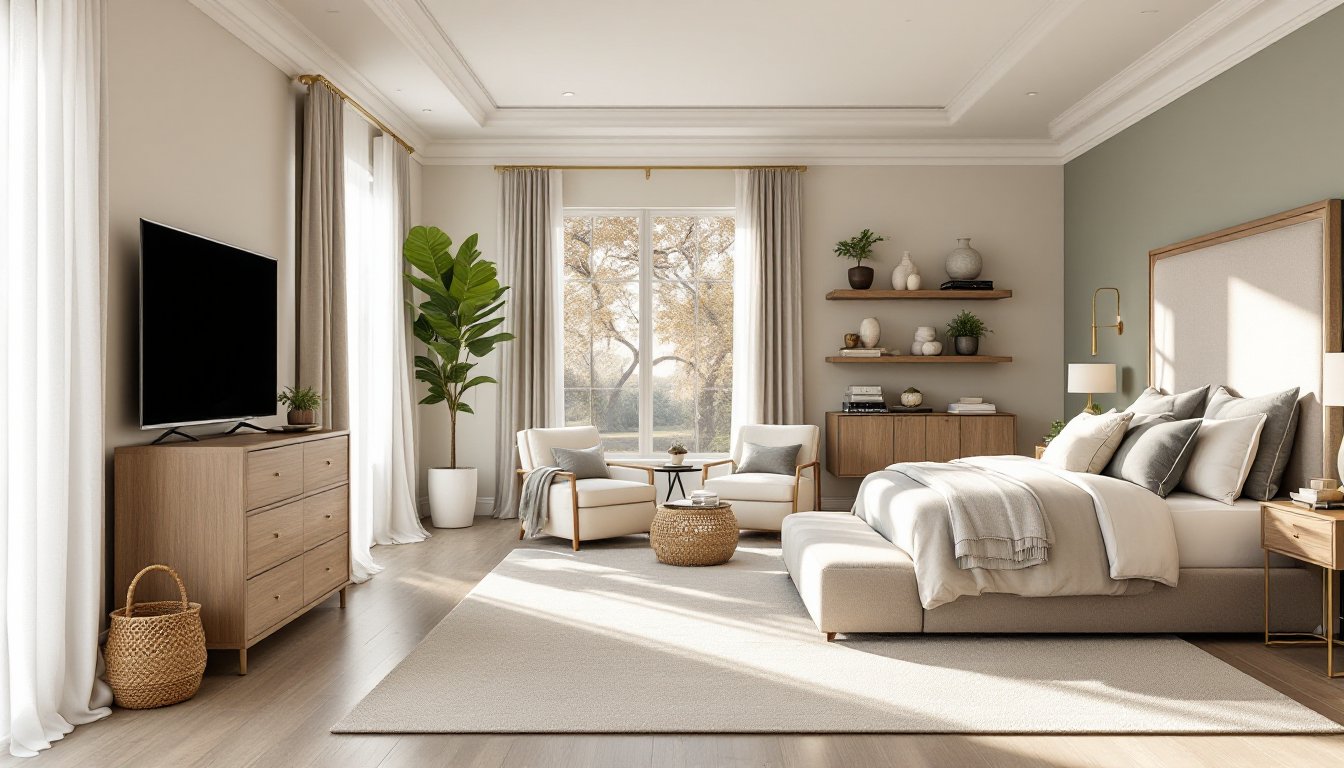
A two-car garage often becomes a catch-all for seasonal clutter, forgotten projects, and things you “might need someday.” But what if you could transform that 400–600 square feet of prime real estate into something you actually use every day? Garage conversions have moved beyond simple workshop upgrades: today’s homeowners are reimagining garage space for home offices, fitness studios, guest quarters, and creative workshops. Whether you’re looking to add rental income, create a dedicated workspace, or simply make smarter use of existing square footage, the right conversion can add both function and value to your home. This guide walks through seven practical garage conversion ideas, each with honest advice on what you need to consider, what permits might apply, and how to get started planning.
Table of Contents
ToggleKey Takeaways
- 2 car garage conversion ideas range from high-impact projects like ADUs and home offices to practical upgrades like mudrooms and storage zones, each with distinct code, utility, and budget requirements.
- Insulation, climate control, and electrical upgrades are non-negotiable for most garage conversions, especially home offices and guest suites, requiring professional installation and local code compliance.
- Home gyms and recreation rooms have the lowest barrier to entry, needing mainly flooring and ventilation work without permit requirements in most jurisdictions.
- ADU and guest suite conversions demand zoning verification, separate utilities, egress windows, and full building code compliance, often costing $60,000–$100,000+ and requiring professional design guidance.
- Before starting any conversion, assess structural moisture issues, contact your local building department for permit and code requirements, and budget realistically based on your region and project scope.
Home Office or Studio Space
A dedicated home office in a garage gives you quiet, separation from household traffic, and zero commute. The footprint is perfect for a desk workspace, shelving, and proper climate control, essential for anyone taking video calls or recording content.
Start with insulation and climate control. Most garages have minimal or no insulation: add fiberglass batts between studs (typically 3.5 inches for 2×4 walls), a vapor barrier, and drywall. Install a mini-split HVAC unit or ductless heat pump to keep the space comfortable year-round. This is not cosmetic, temperature swings and humidity damage equipment and create an uncomfortable workplace.
Electrical upgrades are critical. Standard garage circuits are insufficient for computers, monitors, task lighting, and heating. Hire a licensed electrician to add dedicated 20-amp circuits, install proper grounding, and run cable through walls rather than across floors. Check local codes: some jurisdictions require a licensed electrician for garage conversions.
Flooring matters more than you’d think. Concrete is standard but cold and hard. Lay vinyl plank flooring (luxury vinyl plank or LVP) directly over clean, sealed concrete. It’s durable, insulates slightly, and feels more like an office than a garage.
For lighting, combine overhead recessed LED panels with task lighting at your desk. Garage ceilings are typically 8–9 feet: recessed lights should be spaced 4–6 feet apart for even illumination. Add blackout shades or cellular shades if you’re filming content or need to control glare.
A finished home office garage typically needs HVAC work (DIY insulation possible, but unit installation should be professional), electrical upgrades (hire a pro), and flooring (DIY-friendly). Budget ranges vary widely by region and complexity, but expect this to be one of the more involved conversions.
Guest Suite or Accessory Dwelling Unit
Converting a garage into a guest suite or accessory dwelling unit (ADU) is one of the most sought-after conversions, and often the most complex. You’re not just adding comfort: you may be creating a separate legal residence, which triggers permits, building codes, and zoning restrictions.
Check zoning first. Many jurisdictions restrict ADU size, occupancy, and even whether they can be rented. Some require separate utilities, off-street parking, and a minimum lot size. Contact your local planning department before investing in design. Some regions now have streamlined ADU approval processes: others require variance applications.
If zoning permits, plan for full utilities separation: a separate electrical meter (required in many codes), dedicated HVAC, and ideally separate water and sewer lines, though some jurisdictions allow shared lines if properly sized and vented. This is licensed-professional territory: you cannot DIY utility separation.
Layout matters. A typical two-car garage (20×20 feet) can accommodate a compact bedroom, bathroom, and kitchenette, but it’s tight. Plan for a 10×12-foot sleeping area, 5×8-foot bathroom, and 8×10-foot living/kitchen zone. Doors must meet egress requirements: operable windows or a second exit in the bedroom for safety.
Building code requires full-height walls (typically 7 feet minimum interior height), proper insulation (R-15 or R-19 depending on climate), fire-rated drywall between the unit and house, and egress windows or doors. The bathroom and kitchen must meet plumbing code, sink, toilet, shower, and ventilation fans.
This conversion usually requires permits and third-party inspections. The upside: many regions now allow ADUs and some offer tax incentives. Work with a residential designer or contractor experienced in ADU projects to navigate codes. Fine Home Building has documented garage conversions into in-law units with detailed framing and utility planning.
Recreation and Entertainment Room
A game room, theater, or lounge turns garage space into pure enjoyment. Lower pressure on codes (it’s not a bedroom or rental unit) makes this project more straightforward than an ADU, but still requires planning.
Insulation and soundproofing are key for a media or gaming space. Use acoustic insulation batts (rated for sound dampening) between studs, add a resilient channel between studs and drywall, and consider a second layer of drywall with damping compound. This isn’t overkill if you’re running a home theater: neighbors will appreciate it.
Electrical circuits need planning. A theater room or arcade might run a projector, surround speakers, lighting, and climate control simultaneously. Add at least two dedicated 20-amp circuits for entertainment equipment and a third for environmental control (heating/cooling). Hire an electrician to run in-wall speaker wire, conduit for HDMI cables, and outlet placement that avoids tangled cords.
Flooring should be durable and comfortable underfoot. Sealed concrete works fine with a coat of epoxy or polyurethane. Alternatively, install LVP or even rubber gym flooring for a softer feel. Game rooms appreciate moisture-resistant flooring since garages can be damp.
Climate control prevents equipment overheating and makes the space usable year-round. A mini-split or wall-mounted ductless unit keeps the space comfortable without running expensive ducting through walls. Ensure the garage door opening (the largest uninsulated hole) is properly sealed with insulation board or framed in and closed.
This project sits in the middle difficulty range: insulation, electrical, and flooring are manageable with trade help: structural work is minimal.
Home Gym or Fitness Studio
Home gyms are practical conversions that don’t trigger heavy code scrutiny. A two-car garage provides about 20×20 feet, plenty for cardio, weights, stretching, and yoga classes.
Flooring is non-negotiable for a gym. Concrete is slippery, cold, and hard on joints. Install interlocking rubber tiles (typically 3/4 inch thick) that lock together and provide cushioning and traction. Rubber absorbs sound from dropped weights and is easy to clean. Budget roughly $200–400 for a two-car garage.
Climate control keeps equipment from sweating and keeps you comfortable during intense workouts. A single ductless mini-split unit or a window AC unit works. Ventilation is important: an exhaust fan pulling moisture out prevents mold and rust on equipment.
Lighting should be bright and even, recessed LEDs work well. Avoid harsh shadows that make form hard to judge. If you’re filming fitness content, position lights to avoid backlighting or blown-out backgrounds.
Electrical upgrades are modest for a gym: a couple of 20-amp circuits for charging equipment, a smart speaker or screen, and fans. Most gym equipment is plug-in, so you’re not running heavy industrial loads.
Mirrors on one wall help with form checking and make the space feel larger. Avoid mirroring directly opposite the entry door (code safety issue): offset them to the side. Use adhesive mirror tiles rated for concrete backing or frame mirrors and anchor to studs.
This conversion has the lowest barrier to entry: flooring (DIY-friendly), ventilation (hire HVAC for a mini-split), and electrical basics. No permits required in most jurisdictions since it’s not adding living space or changing the building’s legal occupancy.
Workshop or Creative Maker Space
Woodworking, metalworking, art studios, or craft spaces thrive in garage conversions. You already have the square footage: now you’re configuring it for your craft.
Storage and organization prevent chaos fast. Wall-mounted pegboards, steel shelving units, and tool cabinets keep everything accessible. For a woodshop, plan for lumber storage (a simple horizontal rack built from 2×4s bolted to studs), a workbench (48–60 inches long is standard), and organized tool hanging. Sketch your layout before building, measure existing equipment and allow passage space.
Dust control separates a livable workshop from a health hazard. A dust collection system routes sawdust and fine particles away from your lungs. Options range from a small shop vac (DIY-friendly) to a central dust collector (more investment, but handles high-volume work). Always wear a respirator rated for your dust type: NIOSH N95 or better for wood, specialized masks for fiberglass or metal dust.
Ventilation removes fumes from finishes, paints, and solvents. At minimum, open a window and run a fan. Better: install a ductless ventilation unit or exhaust hood over your work area. If spray painting, a booth with dedicated exhaust is safest.
Electrical is critical for power tools. Run heavy-gauge wire (10 AWG or 8 AWG) for a 240-volt circuit if you’re powering table saws, routers, or welders. A 20-amp 110-volt circuit won’t cut it for serious equipment. Hire an electrician: this isn’t a guess-and-wire job.
Flooring endures spills, drops, and chemicals. Epoxy-coated concrete is durable and easy to clean. Seal it properly so oils and solvents don’t stain permanently.
This conversion requires HVAC and electrical expertise: much of the layout (workbench building, shelving, pegboards) is DIY-friendly. Budget for pro help on ventilation and power circuits.
Mudroom, Storage, and Laundry Zone
Not every garage conversion needs to be dramatic. A functional mudroom, laundry, and storage zone solves a real problem: wet coats, boots, muddy kids, and piles of seasonal gear have nowhere to live.
Mudroom essentials are simple: hooks, a bench, cubbies, and a mat. Install heavy-duty coat hooks and shelves on studs using wood or metal brackets rated for weight. A simple wooden bench (DIY-build a 48-inch bench from 2×4s and plywood) gives a place to sit and pull off boots. Add a waterproof mat underneath to protect the floor.
For laundry, position the washer and dryer against one wall, leaving clear passage. Plumbing and venting are the complex parts. A washer needs hot and cold water lines and a drain: hire a plumber to extend lines from the house or install a laundry sink with a standpipe (a vertical drain pipe where the washer hose sits). A dryer needs either ducting to the exterior (gas or electric) or a condenser unit (no exterior vent needed, but adds humidity). Many codes require a dedicated 240-volt circuit for electric dryers: check local requirements.
Storage walls use every square foot. Install floor-to-ceiling shelving, pegboards, and bin systems for seasonal items, sports equipment, and tools. Wall-mounted organizational systems save floor space. Make storage accessible, awkward heights and deep shelves become dead zones.
Flooring is simple: sealed concrete works fine, or lay interlocking tiles for a finished look. Ensure adequate drainage if the garage is prone to water intrusion: a small slope or sump system prevents standing water.
This is one of the most accessible conversions: basic carpentry (shelves, bench) is DIY-friendly, but washer/dryer hookups require professional plumbing and electrical work. No permits in most jurisdictions since you’re not changing room use legally.
Getting Started: Planning Your Conversion
Before swinging a hammer, do three things: assess your garage structure, check local codes, and make a honest budget.
Structural and moisture assessment. Walk the garage and look for cracks in the concrete floor, damp walls, or missing insulation. Pour water in a corner, if it pools, you have drainage issues. Check the roof for leaks, rust on exposed metal, and daylight through gaps. A damp garage will ruin your finished conversion. Solve water problems before converting. Consider hiring a home inspector familiar with garages: it costs $200–400 but prevents costly mistakes.
Code and zoning check. Contact your local building department and planning office. Ask: Do I need a permit? Are ADUs allowed? Are there setback or lot-size restrictions? Do I need a second exit? What insulation and ventilation codes apply? Building codes vary significantly by region and change periodically. The IRC (International Residential Code) is the baseline for residential work, but many jurisdictions have amendments. NEC (National Electrical Code) covers electrical: ensure any electrical work meets current code.
Utilities inventory. Locate the electrical panel, water main, gas lines, and HVAC systems. Some conversions require utility work: knowing what you have lets you plan realistically. If you’re adding separate utilities (for an ADU), expect significant cost and complexity.
Resources like ImproveNet provide cost guides and contractor resources: Bob Vila has detailed DIY project walkthroughs and expert advice. Read others’ experiences and learn from their timelines and budgets.
Budget reality. Cosmetic conversions (game room, storage) run $5,000–15,000 including flooring, paint, and basic electrical. Kitchens, bathrooms, and HVAC push you to $20,000–40,000+. ADUs with separate utilities and full codes compliance can exceed $60,000–100,000 depending on finishes and local labor costs. These figures shift by region, material costs, and whether you’re doing DIY work. Get multiple contractor estimates before committing.
Start with your highest priority, what does your household actually need?, then work backward from codes and costs. A smaller, well-executed project beats an ambitious conversion that runs over budget and stalls mid-completion.