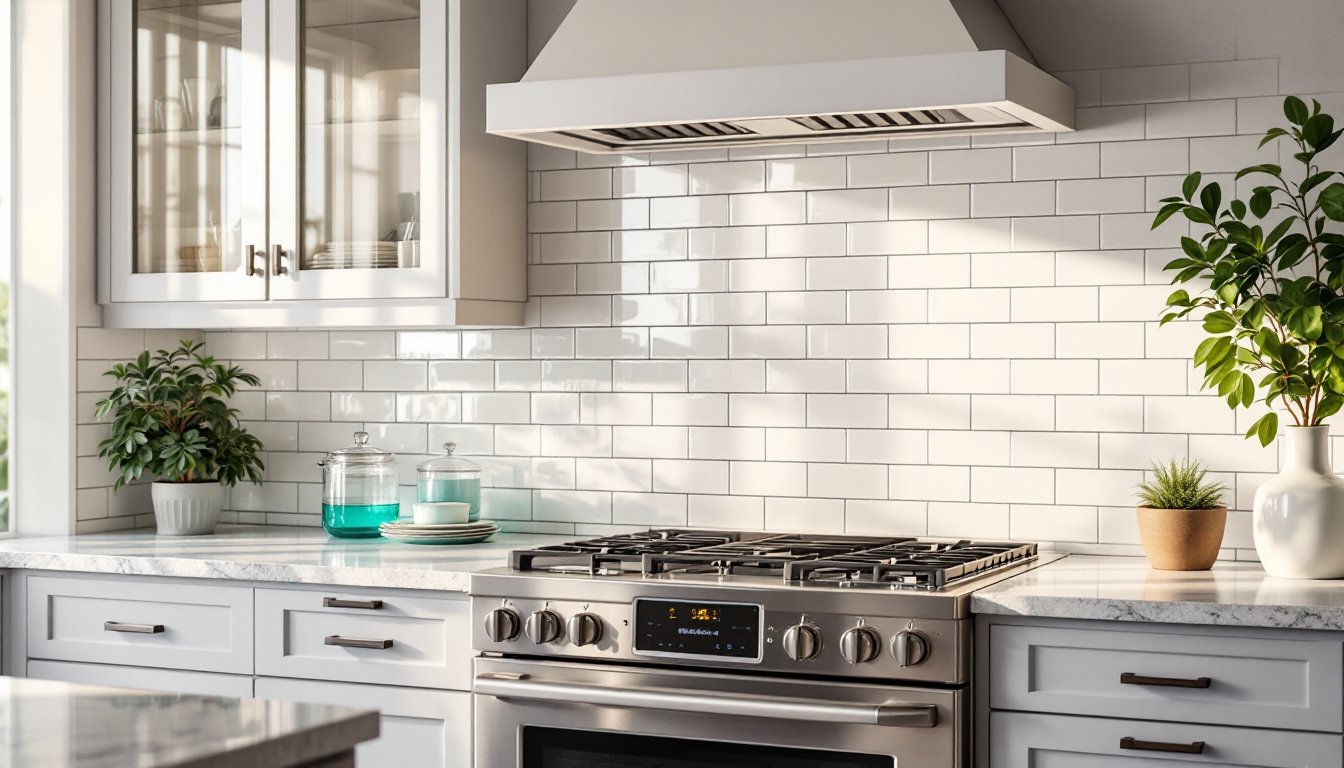
Home renovation ideas vs. home remodeling, these two terms get tossed around interchangeably, but they actually describe different approaches to updating a property. Homeowners often struggle to distinguish between them, which can lead to budget miscalculations, timeline issues, and unmet expectations. This guide breaks down what each approach involves, highlights the key differences, and helps readers decide which path fits their specific goals. Whether someone wants to refresh their kitchen or completely transform their floor plan, understanding these distinctions matters.
Table of Contents
ToggleKey Takeaways
- Home renovation ideas focus on cosmetic updates like repainting, new flooring, and fixture upgrades without changing the layout.
- Remodeling involves structural changes such as removing walls, adding rooms, or relocating plumbing and electrical systems.
- Renovations cost less and move faster since they skip heavy construction and often don’t require permits.
- Choose renovation if you like your current layout but want a fresher look; choose remodeling if the floor plan doesn’t meet your needs.
- A mid-range bathroom renovation costs $10,000–$15,000, while a full remodel with layout changes can exceed $50,000.
- Consult contractors and architects before committing to ensure your home renovation ideas match your budget, timeline, and long-term goals.
What Is Home Renovation?
Home renovation refers to restoring or updating existing structures without changing their fundamental layout or purpose. The goal is improvement, not transformation. Renovation projects typically focus on cosmetic updates, repairs, and upgrades that bring a space back to life or modernize its appearance.
Common home renovation ideas include:
- Repainting walls and ceilings
- Replacing flooring with new materials
- Updating light fixtures and hardware
- Installing new countertops
- Refinishing cabinets
- Adding energy-efficient windows
- Upgrading bathroom fixtures
Renovation work generally keeps the existing footprint intact. A homeowner might renovate a bathroom by swapping out the vanity, adding new tile, and installing modern lighting, but the toilet, shower, and sink stay in their original positions.
These projects tend to cost less than full remodels because they don’t require structural changes or extensive permits. Home renovation ideas often appeal to people who like their current layout but want a fresher, more updated look. They’re also popular among homeowners preparing to sell, since renovations can boost curb appeal and property value without major construction.
Timelines for renovations vary widely. A single-room paint job might take a weekend, while a full kitchen renovation with new appliances and countertops could span several weeks. Still, most renovations move faster than remodels because they skip the heavy construction phase.
What Is Home Remodeling?
Home remodeling goes further than renovation. It involves changing the structure, layout, or purpose of a space. Remodeling projects alter how a room functions or how a home flows.
Examples of remodeling work include:
- Knocking down walls to create an open floor plan
- Converting a garage into a living space
- Adding a second story to a home
- Expanding a kitchen by absorbing an adjacent room
- Moving plumbing or electrical systems
- Building a new bathroom where none existed
Remodeling requires more planning, permits, and professional expertise. Contractors often need architects or structural engineers to ensure the work meets building codes and safety standards. This level of involvement increases both cost and timeline.
Why do homeowners choose remodeling? Sometimes the existing layout simply doesn’t work. A growing family might need extra bedrooms. An older home might have small, compartmentalized rooms that feel cramped by modern standards. In these cases, home renovation ideas alone won’t solve the problem, structural changes become necessary.
Remodeling projects typically take months rather than weeks. A major kitchen remodel involving wall removal, new plumbing, and updated electrical can last three to six months. The investment is significant, but the payoff often includes dramatically improved functionality and substantial increases in home value.
Key Differences Between Renovation and Remodeling
Understanding the distinction between home renovation ideas and remodeling helps homeowners set realistic expectations. Here’s a clear breakdown of how these approaches differ:
Scope of Work
Renovation updates what already exists. Remodeling changes the structure itself. A renovation might replace kitchen cabinets: a remodel might move the entire kitchen to a different part of the house.
Cost
Renovation costs less in most cases. Since the work stays surface-level, materials and labor requirements remain lower. Remodeling demands specialized contractors, permits, and often professional design services, all of which add up.
According to industry estimates, a mid-range bathroom renovation costs between $10,000 and $15,000. A full bathroom remodel that changes the layout can run $25,000 to $50,000 or more.
Timeline
Renovations move faster. Most home renovation ideas can be executed in days or weeks. Remodeling projects stretch into months because they involve inspections, permit approvals, and complex construction phases.
Permits and Regulations
Minor renovations often don’t require permits. Remodeling almost always does. Moving walls, changing plumbing, or altering electrical systems triggers code requirements and inspection schedules.
Return on Investment
Both approaches can increase property value, but the return depends on the market and the specific work done. Smart renovations often deliver higher ROI percentages because the initial investment is lower. Remodeling offers larger absolute gains when done thoughtfully, especially for additions or conversions that add square footage.
How to Choose the Right Approach for Your Home
Deciding between home renovation ideas and a full remodel depends on several factors. Homeowners should consider their goals, budget, timeline, and how long they plan to stay in the property.
Assess Current Layout Satisfaction
Does the existing floor plan work? If the answer is yes, renovation makes sense. Updating finishes, fixtures, and surfaces can transform a space without the hassle of construction. If the layout feels dysfunctional, rooms too small, poor flow, missing features, remodeling becomes the better choice.
Set a Realistic Budget
Renovation budgets typically range from a few thousand dollars for small projects to $50,000+ for comprehensive whole-home updates. Remodeling budgets start higher and can reach six figures for major structural work. Homeowners should get quotes from contractors before committing to either path.
Consider the Timeline
People planning to sell soon often favor renovations because they’re faster and deliver quick visual impact. Those staying long-term might invest in remodeling to create their ideal living space, even if it takes longer.
Evaluate Property Potential
Some homes have great bones but poor cosmetics, perfect candidates for renovation. Others have fundamental layout problems that no amount of paint or new flooring will fix. An honest assessment helps homeowners avoid spending money on the wrong approach.
Consult Professionals
Contractors, architects, and real estate agents can provide valuable perspective. They’ve seen hundreds of homes and know which home renovation ideas deliver results versus which situations call for structural changes.