Home renovation ideas techniques can transform any living space without draining your bank account. Whether you’re updating a single room or tackling a whole-house makeover, the right approach makes all the difference.
Homeowners today have more options than ever. From DIY weekend projects to full-scale remodels, renovation techniques have evolved to fit every skill level and budget. The key is knowing where to start and which projects deliver the best return on investment.
This guide covers popular renovation projects, budget-friendly techniques, modern trends, and practical planning tips. Each section offers actionable advice to help turn renovation dreams into reality.
Table of Contents
ToggleKey Takeaways
- Home renovation ideas techniques like kitchen and bathroom updates consistently deliver the best return on investment, recouping 60-75% of costs at resale.
- Budget-friendly renovation techniques such as painting, cabinet refacing, and DIY demolition can dramatically transform spaces without breaking the bank.
- Smart home integration and dedicated home offices have become top priorities in modern renovation projects.
- Always build a 15-20% contingency fund above estimated costs to handle unexpected issues during renovations.
- Time your purchases around holiday sales like Memorial Day and Black Friday to maximize savings on appliances and materials.
- Prioritize safety and structural repairs before cosmetic upgrades to protect your investment long-term.
Popular Home Renovation Projects to Consider
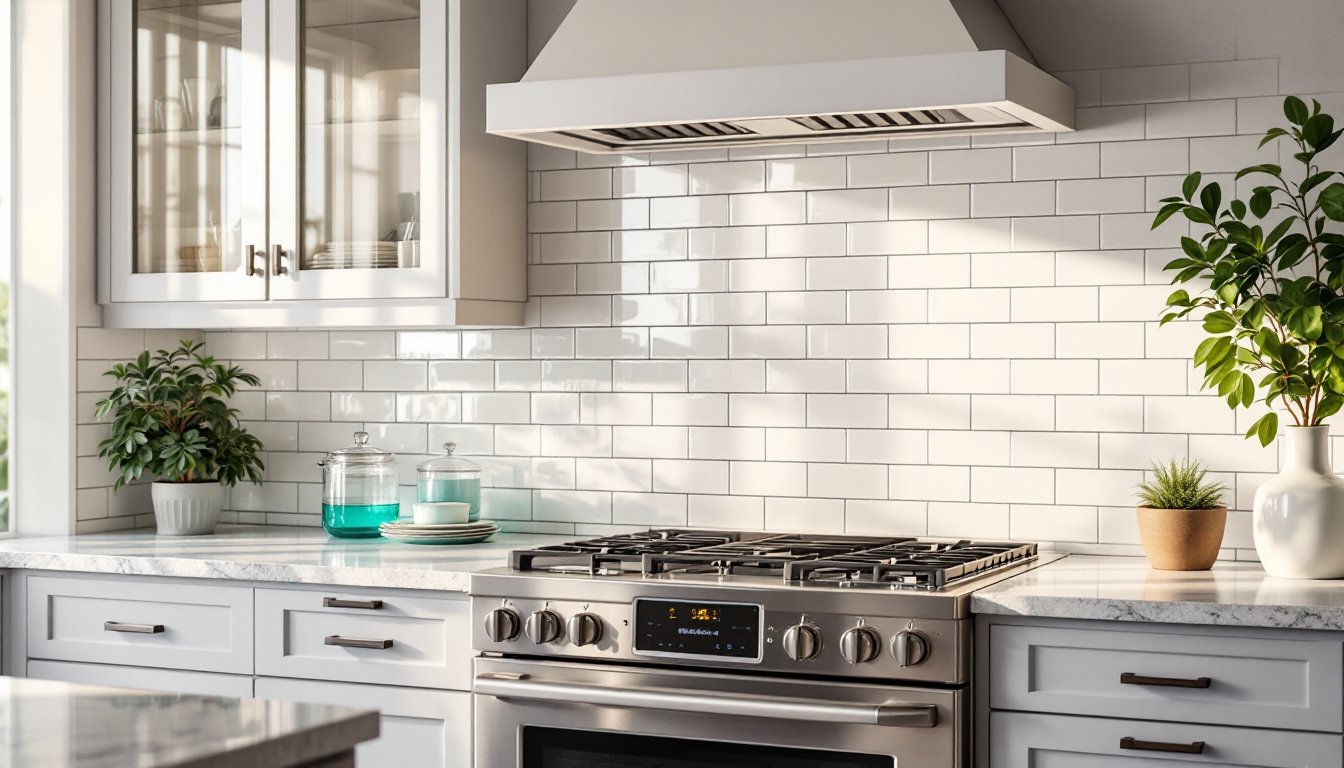
Some home renovation ideas techniques consistently deliver value and satisfaction. Kitchen updates rank at the top of most homeowner wish lists. Even small changes like new cabinet hardware, updated lighting, or a fresh backsplash can dramatically shift the room’s feel.
Bathroom renovations follow close behind. Replacing outdated fixtures, adding a new vanity, or installing modern tile creates a spa-like atmosphere. These projects typically recoup 60-70% of their cost at resale.
Basement finishing represents another high-impact option. Converting unused square footage into a family room, home office, or guest suite adds functional living space. This renovation technique works particularly well for growing families who need more room.
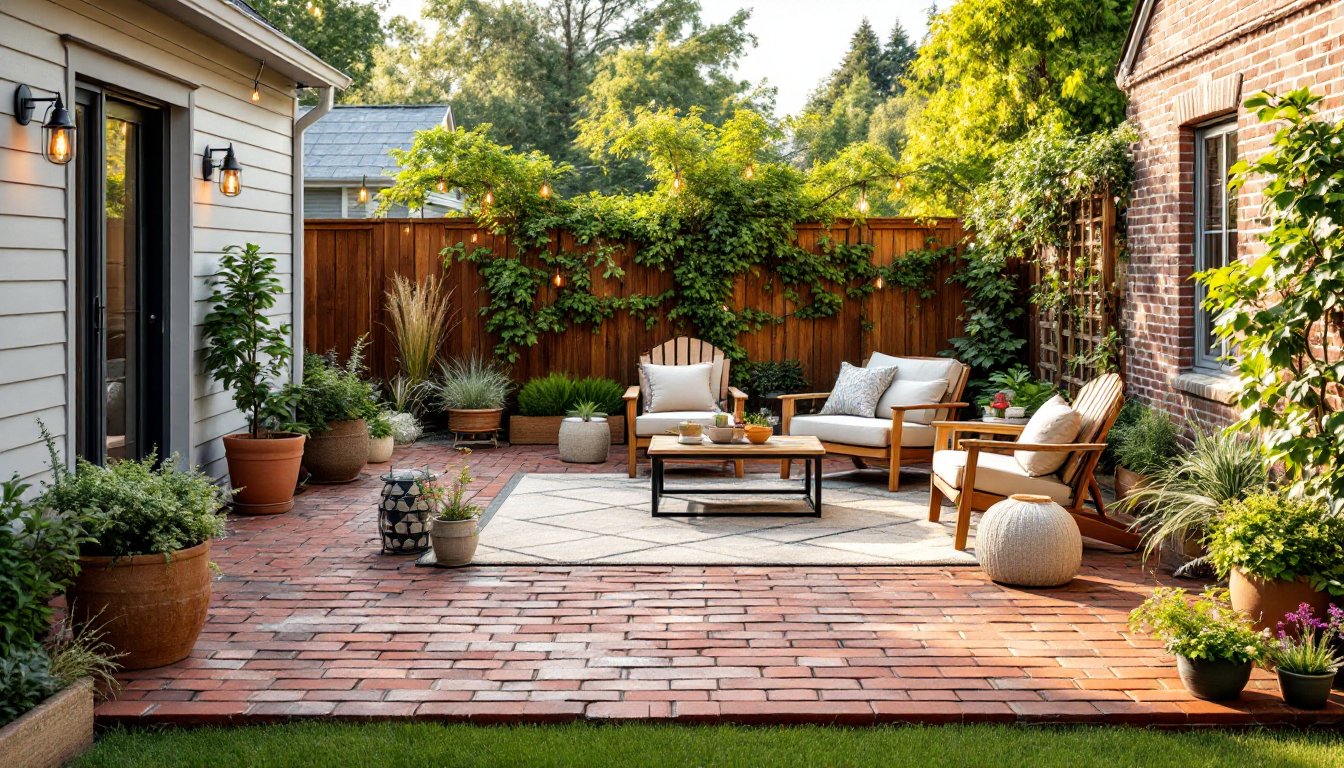
Outdoor living spaces have gained popularity in recent years. Decks, patios, and outdoor kitchens extend usable square footage and create entertainment areas. A well-designed deck can return up to 75% of its cost when selling.
Energy efficiency upgrades deserve mention too. New windows, insulation, and HVAC systems reduce utility bills while improving comfort. Many utility companies offer rebates that offset initial costs.
Budget-Friendly Renovation Techniques
Smart home renovation ideas techniques don’t require massive budgets. Paint remains the most cost-effective transformation tool available. A gallon of quality paint costs under $50 and can completely change a room’s character.
Refacing cabinets instead of replacing them saves thousands of dollars. New doors, drawer fronts, and hardware give kitchens a fresh look at a fraction of full replacement cost. This technique works well for cabinets with solid structural bones.
DIY demolition cuts labor costs significantly. Removing old flooring, tearing out cabinets, or stripping wallpaper requires more sweat than skill. Homeowners who handle demo work can redirect those savings toward better materials.
Peel-and-stick products have improved dramatically. Vinyl floor tiles, backsplash sheets, and wallpaper now offer realistic looks with easy installation. These renovation techniques allow renters and homeowners alike to make temporary or permanent upgrades.
Shopping salvage yards and habitat ReStores uncovers quality materials at discount prices. Solid wood doors, vintage hardware, and architectural details often sell for pennies on the dollar. Patience and regular visits yield the best finds.
Timing purchases around holiday sales stretches budgets further. Memorial Day, Labor Day, and Black Friday typically bring deep discounts on appliances, flooring, and fixtures. Planning home renovation ideas techniques around these sales maximizes purchasing power.
Modern Renovation Trends Worth Exploring
Current home renovation ideas techniques reflect changing lifestyles and preferences. Open floor plans continue dominating renovation requests. Removing walls between kitchens and living areas creates spacious, connected environments.
Home offices have become essential rather than optional. Dedicated workspaces with proper lighting, soundproofing, and technology infrastructure rank high on renovation priority lists. Even small closet conversions can create functional office nooks.
Smart home integration influences many renovation decisions. Wiring for automated lighting, thermostats, security systems, and voice assistants adds convenience and value. These systems work best when planned during renovation rather than retrofitted later.
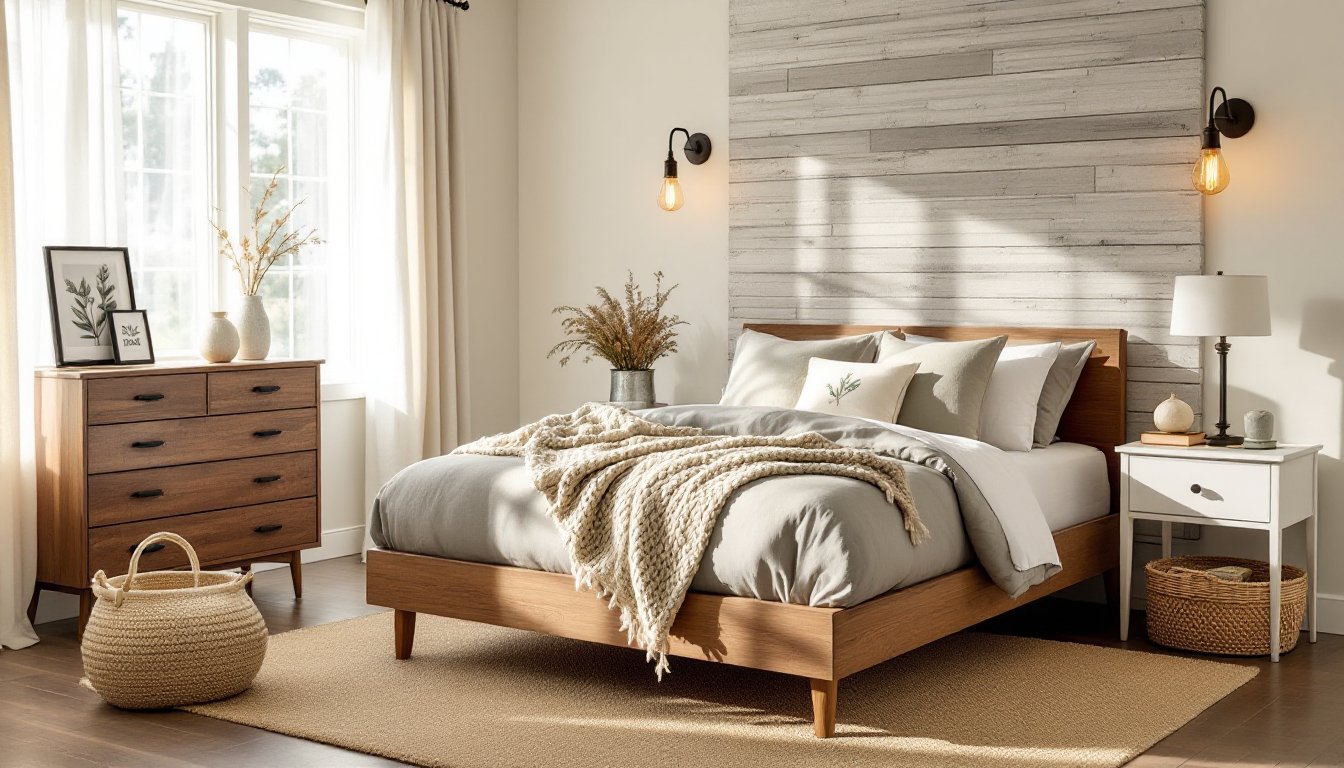
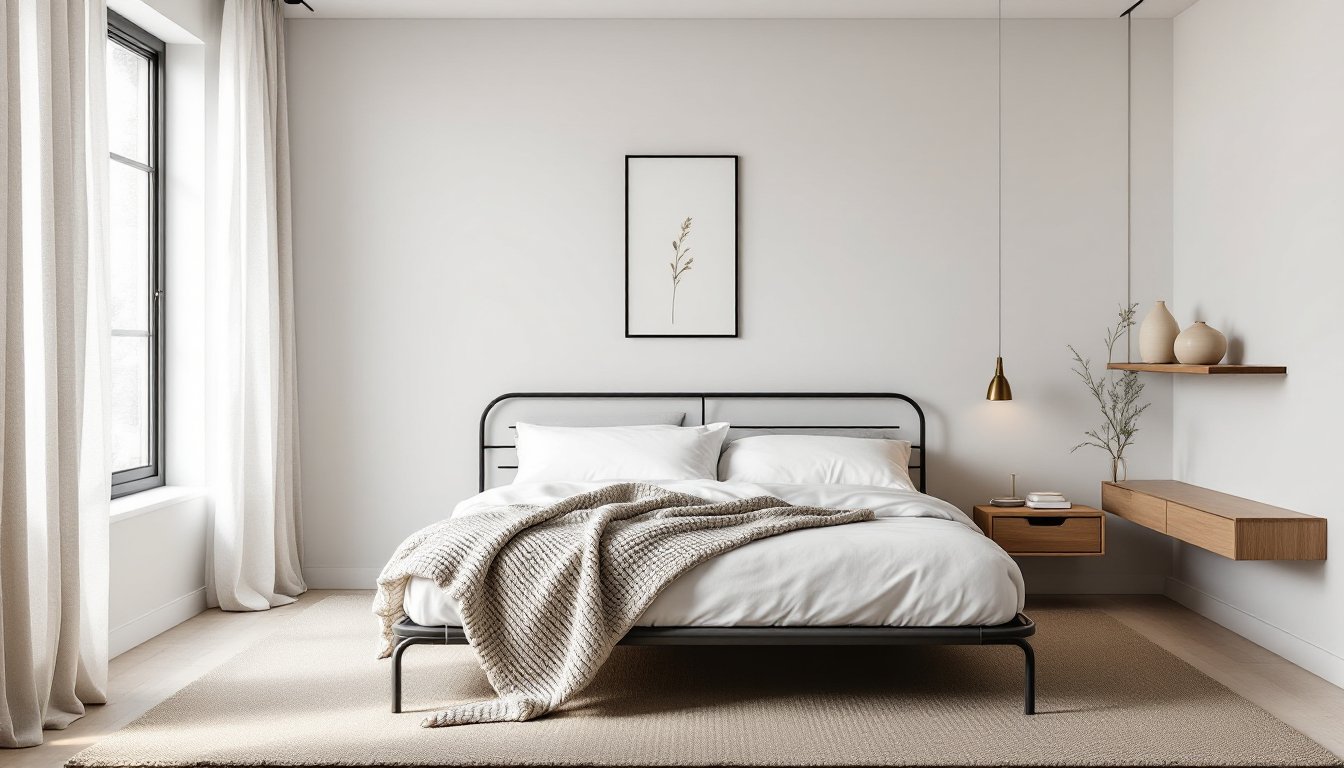
Natural materials are trending strongly. Wood accents, stone countertops, and organic textures bring warmth to modern spaces. Homeowners are choosing materials that age gracefully and reduce environmental impact.
Multi-functional spaces reflect practical needs. Murphy beds, built-in storage, and convertible furniture allow rooms to serve multiple purposes. This renovation technique proves especially valuable in smaller homes.
Accessibility features now appeal beyond aging-in-place scenarios. Wider doorways, zero-threshold showers, and lever door handles benefit everyone. Smart homeowners incorporate these elements during renovations to future-proof their spaces.
Planning and Executing Your Renovation Project
Successful home renovation ideas techniques start with solid planning. Define clear goals before contacting contractors or purchasing materials. Write down what you want to achieve, your timeline, and your maximum budget.
Research costs thoroughly. Get at least three quotes for any work requiring professionals. Compare not just prices but also timelines, materials specified, and contractor references. The lowest bid isn’t always the best value.
Build a contingency fund of 15-20% above estimated costs. Unexpected issues arise in almost every renovation project. Hidden water damage, outdated wiring, or structural surprises can derail budgets without this safety net.
Create a realistic timeline that accounts for permit approvals, material lead times, and contractor availability. Popular renovation seasons (spring and summer) often mean longer waits and higher prices. Off-season scheduling can save both time and money.
Prioritize projects that address safety and structural issues first. A beautiful kitchen means little if the roof leaks or the electrical system poses hazards. Handle essential repairs before cosmetic upgrades.
Document everything. Keep copies of contracts, receipts, permits, and warranties organized. This paperwork proves valuable for insurance claims, tax purposes, and future sales. Photos of work in progress capture what’s hidden behind walls.
Communicate clearly with contractors throughout the process. Weekly check-ins prevent misunderstandings and keep projects on track. Address concerns immediately rather than waiting until completion.