Home renovation ideas for beginners don’t have to involve sledgehammers or structural engineers. In fact, the best first projects are ones that build confidence without draining savings accounts. Whether someone wants to refresh a tired living room or finally tackle that outdated bathroom, starting small makes all the difference.
The home improvement market continues to grow, and more first-time homeowners are picking up paintbrushes than ever before. But here’s the thing, success comes from choosing the right projects. This guide covers practical renovation ideas that beginners can complete over a weekend, along with the tools they’ll need and honest advice about when to call in a pro.
Table of Contents
ToggleKey Takeaways
- Start with low-risk home renovation ideas for beginners like painting a single room, replacing cabinet hardware, or updating light switch covers to build confidence.
- Budget-friendly updates such as peel-and-stick backsplash, refinishing furniture, and swapping light fixtures deliver high visual impact without expensive contractors.
- Invest in quality tools over cheap alternatives—a reliable cordless drill, tape measure, level, and safety gear will serve you through multiple projects.
- Know when to DIY and when to hire a pro: cosmetic updates are beginner-friendly, but electrical, structural, and gas work require licensed professionals.
- Home renovation skills build over time, so each completed project prepares you for more ambitious improvements down the road.
Start With Low-Risk Projects
Every successful renovator started somewhere, and that somewhere should be low-risk. These projects teach basic skills without catastrophic consequences if something goes wrong.
Paint a Single Room
Painting remains the most popular home renovation idea for beginners, and for good reason. A gallon of quality paint costs around $30-50, yet it completely changes a room’s character. First-timers should start with a small bedroom or bathroom. These spaces offer manageable square footage and fewer obstacles.
The key steps include:
- Clean walls thoroughly before starting
- Apply painter’s tape along edges and trim
- Use a primer if covering dark colors
- Work in sections, maintaining a wet edge
Replace Cabinet Hardware
Swapping out dated cabinet knobs and pulls takes about an hour and requires only a screwdriver. New hardware can make kitchen cabinets look ten years younger. Most hardware stores carry templates that help ensure proper alignment for new pieces.
Install New Light Switch Covers
Yellow, cracked switch plates make entire rooms feel outdated. Replacing them costs under $20 for a whole house and takes minutes per plate. This small home renovation idea delivers immediate visual impact.
Update Bathroom Fixtures
Replacing a showerhead or faucet aerator requires no special plumbing knowledge. These fixtures screw on and off by hand. Modern low-flow options also reduce water bills, a win on multiple fronts.
Budget-Friendly Cosmetic Updates
Not every home renovation idea requires a contractor’s budget. Some of the most effective updates cost less than a nice dinner out.
Peel-and-Stick Backsplash
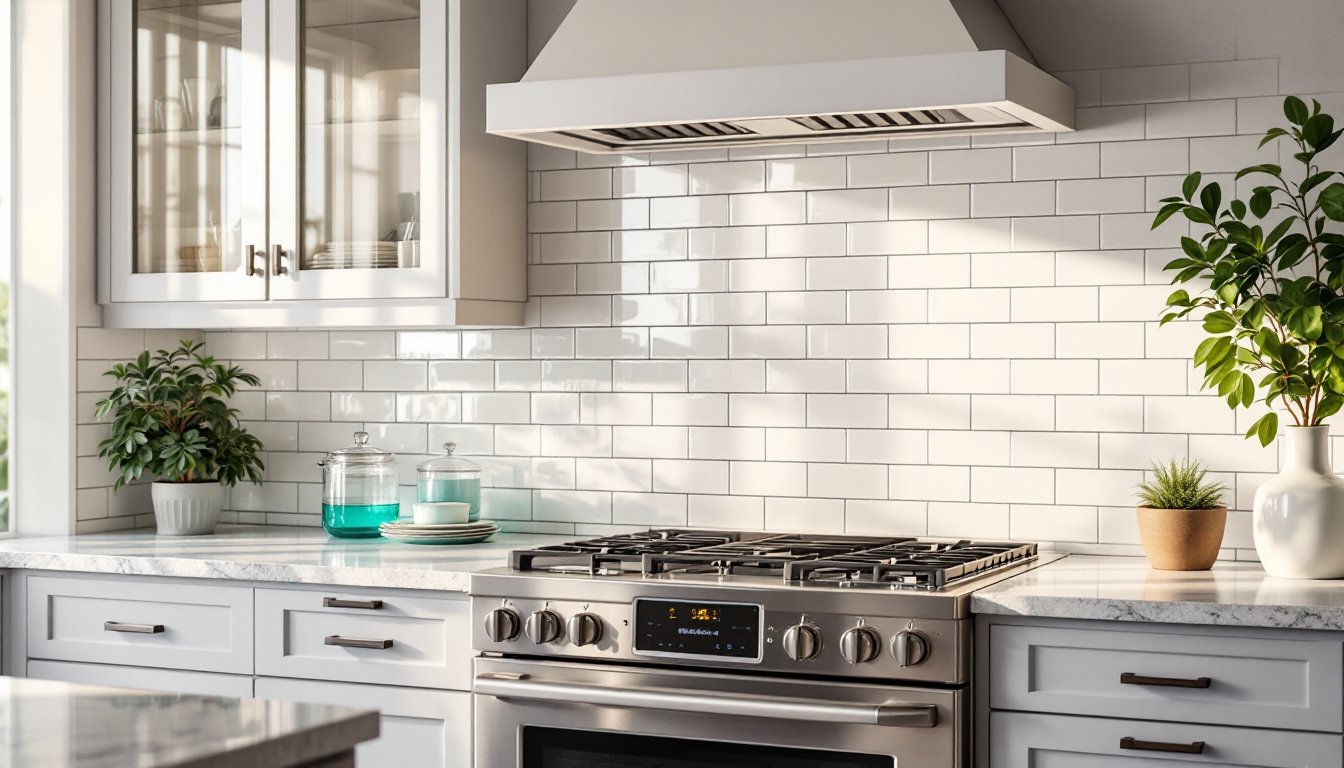
These adhesive tiles have improved dramatically in recent years. Quality peel-and-stick backsplash looks surprisingly realistic and installs in an afternoon. Beginners can cover an average kitchen backsplash for $100-200. The material cuts easily with scissors or a utility knife, making it forgiving for newcomers.
Refinish Instead of Replace
Before ripping out that old dresser or bathroom vanity, consider refinishing it. Sanding and repainting existing furniture costs a fraction of buying new pieces. This approach also lets beginners practice finishing techniques on items they already own.
Add Crown Molding
Pre-primed crown molding from home improvement stores costs roughly $1-3 per linear foot. Installation requires a miter saw and some patience, but the learning curve isn’t steep. Crown molding adds architectural interest that makes spaces feel more finished and expensive.
Upgrade Lighting
Swapping a basic builder-grade light fixture for something with personality transforms a room instantly. Most ceiling fixtures connect with simple wire nuts, no electrician required for a straight swap. Just remember to turn off the breaker first, not just the wall switch.
These budget-friendly home renovation ideas prove that transformation doesn’t demand a massive investment. Smart beginners prioritize projects with high visual impact and low skill requirements.
Essential Tools and Materials for First-Time Renovators
Beginners don’t need a workshop full of equipment. A focused collection of quality tools handles most starter home renovation ideas.
The Starter Tool Kit
Every first-time renovator should own:
- Cordless drill/driver – The single most useful power tool for any project
- Tape measure – Get a 25-foot model with a wide blade
- Level – A 24-inch torpedo level works for most applications
- Utility knife – Buy extra blades: dull knives cause accidents
- Adjustable wrench – Handles most plumbing connections
- Stud finder – Electronic versions work better than magnetic ones
- Safety glasses and work gloves – Non-negotiable protective gear
Quality Over Quantity
Buying cheap tools seems economical until they break mid-project. Mid-range tools from reputable brands last years and perform reliably. A $100 cordless drill will outlast five $20 bargain versions.
Materials Worth the Investment
Paint is one area where spending more pays off. Premium paints cover better, last longer, and apply more smoothly. One coat of quality paint often replaces two coats of cheap alternatives. The same principle applies to brushes and rollers, professional-grade applicators make beginners look more skilled.
Storage and Organization
A basic toolbox or tool bag keeps everything accessible. Beginners who can find their tools quickly finish home renovation projects faster and with less frustration. Clear plastic bins work well for storing leftover hardware, paint samples, and supplies for future projects.
When to DIY and When to Hire a Professional
Knowing personal limits separates successful home renovation beginners from those who create expensive disasters.
Safe DIY Territory
Most cosmetic updates fall within beginner capabilities:
- Painting walls and ceilings
- Installing flooring (especially click-lock varieties)
- Basic landscaping and garden beds
- Replacing doors and standard windows
- Minor plumbing repairs like fixing running toilets
- Installing shelving and organizational systems
These home renovation ideas carry minimal risk. Mistakes might require a do-over, but they won’t endanger anyone or violate building codes.
Call a Professional For These
Some projects require licensed contractors:
- Electrical panel work – Permits and inspections exist for safety reasons
- Structural changes – Removing walls without engineering knowledge causes serious problems
- Gas line work – Even small leaks create explosion hazards
- Major plumbing – Moving supply lines or drains requires expertise
- Roof repairs – Falls cause thousands of injuries annually
The Cost-Benefit Analysis
Hiring help sometimes saves money. A professional completes work faster, often has contractor discounts on materials, and doesn’t make costly beginner mistakes. Getting three quotes before any major project helps establish fair market rates.
Building Skills Over Time
Every completed project adds capability. Someone who started with painting might tackle tile work next year. Home renovation skills compound, today’s beginner becomes next year’s confident DIYer.