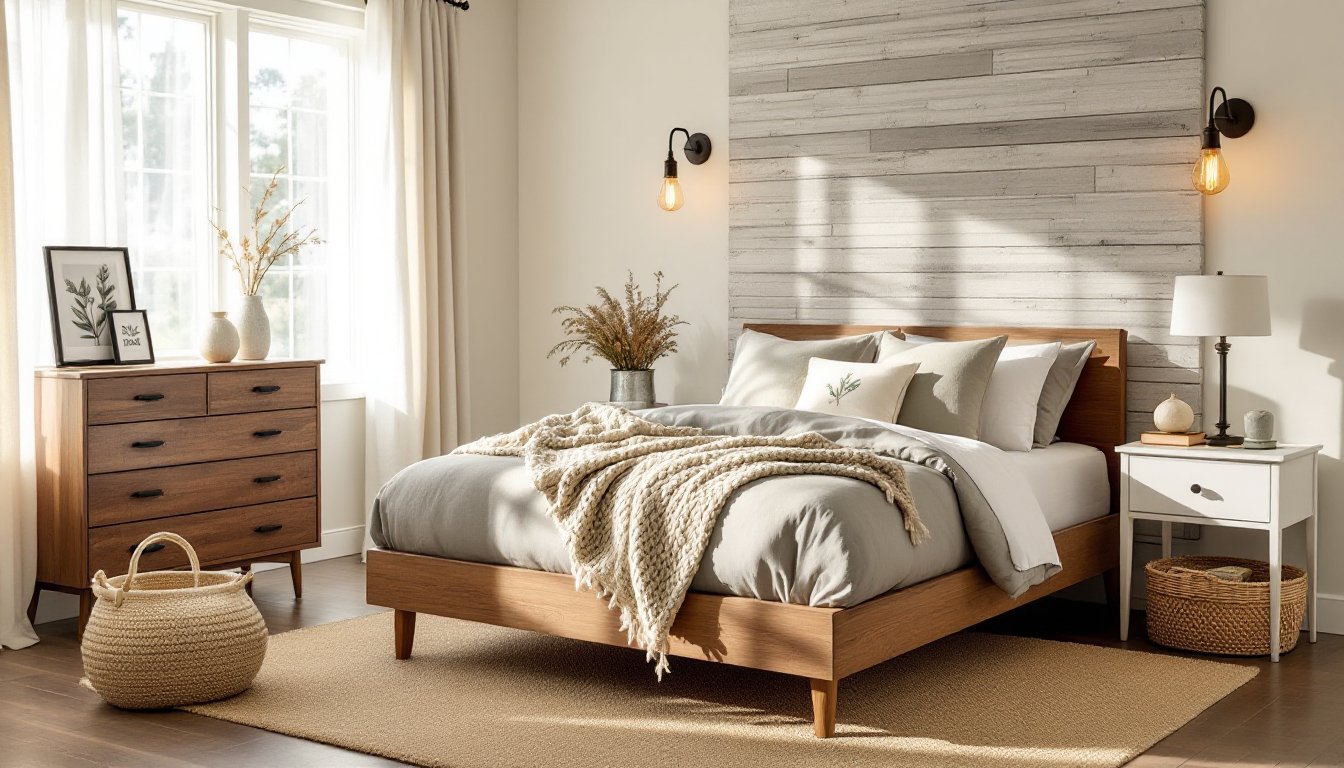
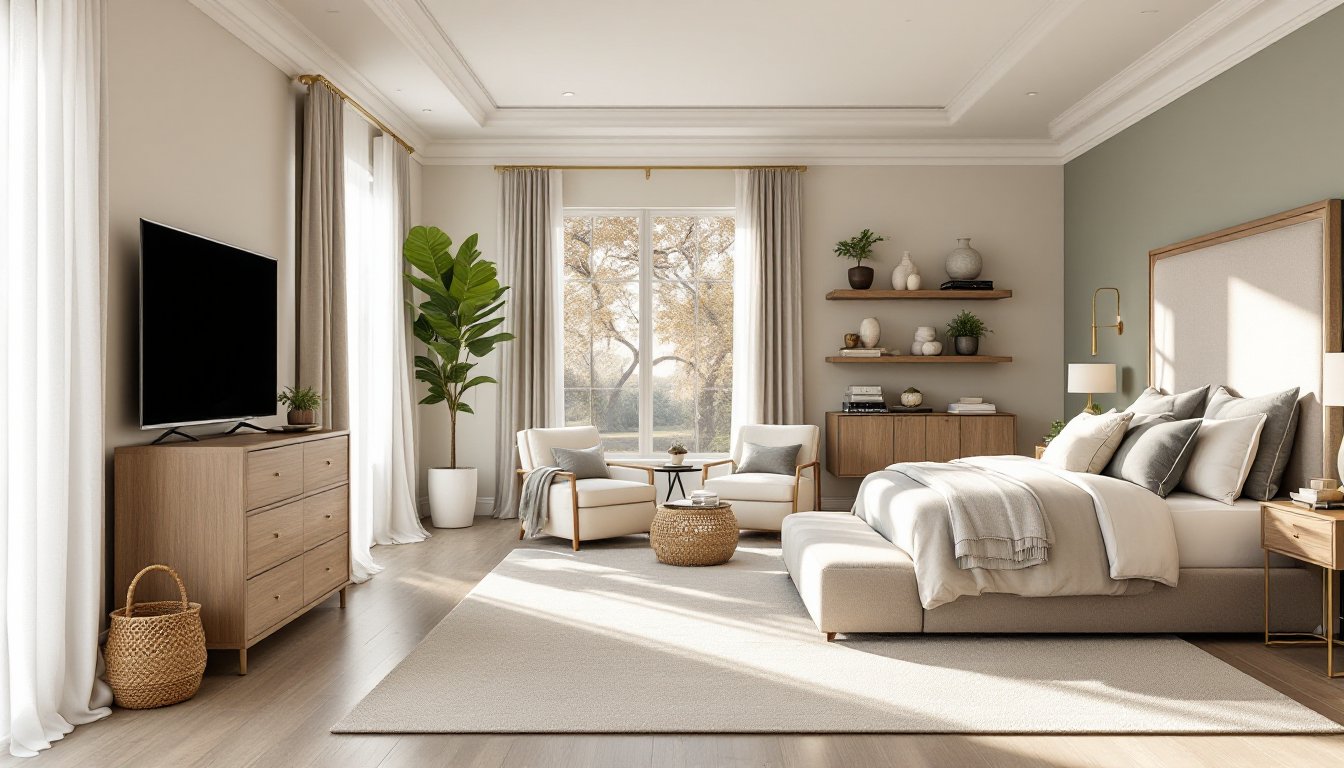
Designing a baby girl’s bedroom goes beyond picking pink paint and calling it done. Today’s nurseries blend aesthetics with function, creating spaces where infants feel secure and parents can actually find the diaper cream at 2 a.m. Whether you’re going for modern minimalist, soft pastels, or something with personality, the key is balancing design with practicality. A well-designed bedroom grows with your daughter, it works for a newborn and still feels right when she’s four. This guide walks through proven design themes, storage strategies, and decor choices that look intentional while standing up to the chaos of early parenthood.
Table of Contents
ToggleKey Takeaways
- Baby girl bedroom ideas should balance aesthetics with function—prioritize safety, storage, and a design that grows with your child from newborn to age four and beyond.
- Modern minimalist nurseries and soft pastel color palettes are two proven design approaches that create calm, photo-worthy spaces without feeling cluttered or overly babyish.
- Secure all tall furniture to walls with L-brackets, use fabric bins for storage, and maintain clear labels so essentials like diapers and wipes are easy to find at any hour.
- Invest in layered lighting with dimmable overhead fixtures, task lighting near the changing table, and warm nightlights to handle both daytime visibility and nighttime soothing.
- Choose multi-purpose furniture like a dresser-changing table combo and comfortable seating with washable upholstery—every piece should earn its space in the room.
- Inject personality through minimal wall art, floating shelves, and growth charts using consistent frame colors and intentional spacing to avoid overwhelming the nursery.
Modern Minimalist Design
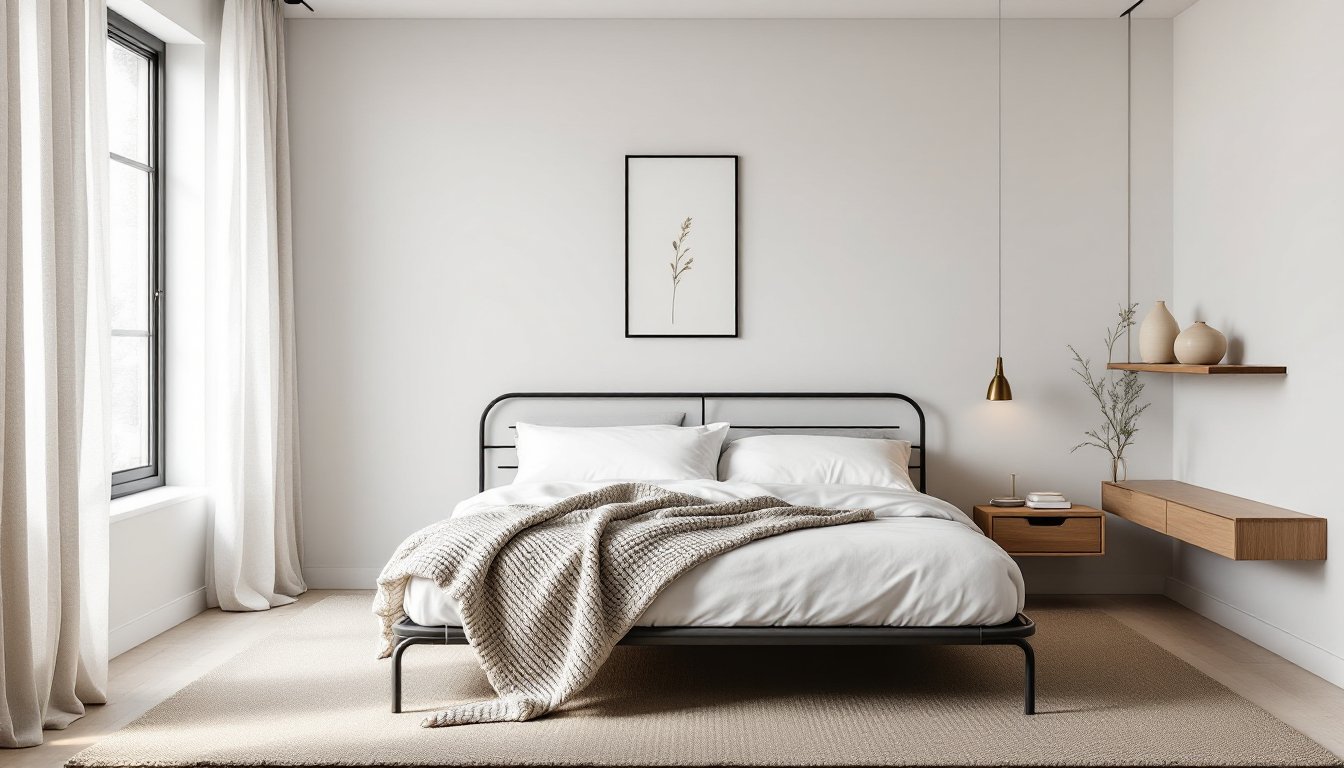
Modern minimalist nurseries strip away clutter and focus on clean lines, neutral tones, and purposeful objects. Think white or soft gray walls, natural wood furniture with simple silhouettes, and zero decorative knickknacks that collect dust. This approach works because it’s calming, both for baby and for you during those bleary early mornings.
Start with a solid-color wall (Benjamin Moore’s Cloud White or Sherwin-Williams Pure White are reliable standards). Pair it with natural wood flooring or light-colored, durable carpet that hides stains. Keep furniture minimal: a quality crib, a low dresser that doubles as a changing surface, and one comfortable chair for feeding or reading.
The secret to modern minimalist style isn’t blandness: it’s intentionality. Choose one statement piece, say, a sculptural mobile or a simple wooden shelf with a few meaningful items. Avoid the impulse to fill every corner. Your bedroom will feel more spacious, easier to clean, and less likely to overwhelm your baby’s developing senses.
Soft Pastel Color Palettes
Soft pastels remain popular for good reason: they’re gentle, versatile, and photograph well without feeling dated. Unlike bold primary colors that scream “nursery,” pastels, mint, blush, pale yellow, or soft lavender, feel sophisticated and work as your daughter grows.
Start with one dominant pastel as your wall color and layer in complementary shades through textiles and accessories. A blush-pink wall pairs beautifully with cream bedding and pale gray accents. Mint green works with soft white and touches of warm beige. The Spruce’s curated home decor ideas showcase how pastels create cohesive, calming spaces without feeling babyish.
When choosing paint, remember that natural light shifts color perception throughout the day. Buy sample pints and paint large swatches on different walls, then observe them morning, noon, and evening before committing. Eggshell or satin finishes are more forgiving and easier to clean than flat paint, critical when you’re dealing with diaper blowouts near baseboards.
Creating Safe Storage Solutions
Storage in a baby girl’s room solves the universal problem: toys, clothes, and gear multiply overnight. Smart storage keeps things organized and off the floor, a safety must when your toddler starts crawling.
Priority storage solutions include:
• A low dresser (under 36 inches tall) with secured-to-wall brackets to prevent tipping
• Wall-mounted shelving at arm height for frequently needed items (diapers, wipes, blankets)
• Fabric bins or baskets that tuck under the changing table or in closet corners
• A dedicated closet rod at an accessible height for seasonal rotation
Anchor all tall furniture to wall studs using L-brackets or dedicated furniture anchors. This is non-negotiable safety, a falling dresser causes serious injury. Avoid glass shelves and open storage for small items: anything under 1.25 inches in diameter is a choking hazard.
Label bins clearly so you (and eventually babysitters) know where everything lives. Open shelving looks clean but requires ruthless pruning, only keep what you actually use. Closed storage in opaque bins hides the chaos and looks intentional.
Choosing Functional Furniture
Every piece of furniture in a baby’s room should earn its space by serving multiple purposes or being genuinely necessary. Skip the decorative bassinet if your crib works: skip the elaborate toy chest if bins fit better in your closet.
Essential pieces:
• Crib or bassinet: Choose based on your layout and how long you plan to room-share. Full-size cribs (28″ x 52″) are standard: compact versions run 38″ x 26″ and save floor space.
• Changing surface: A dresser with a changing pad on top eliminates buying a dedicated changing table.
• Comfortable seating: A glider or armchair where you’ll spend hours. Washable upholstery is worth the extra cost.
• Closet organization: Hanging organizers, shelf dividers, and clear bins make rotation easy.
When selecting furniture, test height and depth in your actual room. A dresser that looks perfect in a showroom might block the door when you’re wheeling in the stroller at midnight. Young House Love’s DIY furniture projects show how smart piece selection transforms a room without overwhelming it.
Material matters: solid wood or quality plywood outlasts particle board and handles the moisture, temperature swings, and occasional spill better. Avoid anything with hard edges at baby’s head height, rounded edges, corner guards, and sturdy construction prevent injury during inevitable bumps.
Adding Personality With Wall Decor
Wall decor is where you inject personality without overwhelming the room. The goal is cohesive charm, not a Pinterest explosion.
Consider these approaches:
• Artwork: Framed prints with simple matting in 8×10″ or 11×14″ sizes. Stick to a consistent frame color (natural wood, white, or matte black) so it reads as intentional.
• Wall decals or murals: High-quality peel-and-stick murals work well and remove cleanly. Avoid cheap versions that leave sticky residue, test on a small area first.
• Floating shelves: Two or three floating shelves hold books, a small plant, or a keepsake. Keep them sparse: negative space looks intentional.
• Growth chart or name sign: Personalization pieces grow with your daughter and become keepsakes.
When installing anything wall-mounted, locate studs with a stud finder before anchoring. Drywall anchors work for lightweight items (under 10 pounds), but shelves holding books need stud mounting. The House Beautiful nursery design roundup shows professional execution: restraint, intentional color, and personal touches that don’t feel cluttered.
Avoid overcrowding one wall. White or painted wall space is your friend. A single meaningful piece of art often reads stronger than a salon wall of five small prints.
Lighting & Ambiance Essentials
Lighting in a nursery serves multiple jobs: bright enough for diaper changes and feeding, dim enough for nighttime soothing. Get this wrong, and you’re changing diapers by phone flashlight or blinding your baby at 3 a.m.
Layered lighting setup:
• Overhead fixture: Dimmable ceiling light (or dimmer switch on existing fixture) for general use. LED bulbs run cooler and last longer than incandescent.
• Task lighting: Clip-on or desk lamp near the changing table for focused visibility without waking the baby.
• Accent lighting: A soft nightlight or dimmable lamp for nighttime navigation and feeding. Warm white (2700K color temperature) is easier on sleepy eyes than cool white.
• Blackout shades: Not technically lighting, but critical for naps and early mornings. Blackout cellular shades block light while insulating the room.
Install a dimmer switch on your main light (standard single-pole dimmers cost $15–$25 and take 15 minutes to install). Test any nightlight before committing, some buzz audibly, which gets old fast during 2 a.m. feeds.
Avoid motion-sensor lights in a baby’s room: the constant triggering is distracting. Skip novelty lamps shaped like animals or characters: they’re cute once, then become clutter. A simple, well-lit room with quality fixtures looks more intentional and lasts through multiple room reinventions.
Conclusion
A well-designed baby girl’s bedroom balances beauty with brutal practicality. Whether you lean minimalist, embrace pastels, or mix styles, prioritize safety through secured furniture and hazard-free storage. The best design is one that works for your family’s actual life, not a magazine spread. Start with the essentials, then layer in personality through wall decor and thoughtful accessories. Your daughter won’t remember the paint color, but she’ll remember feeling safe and calm. That’s the real design goal.