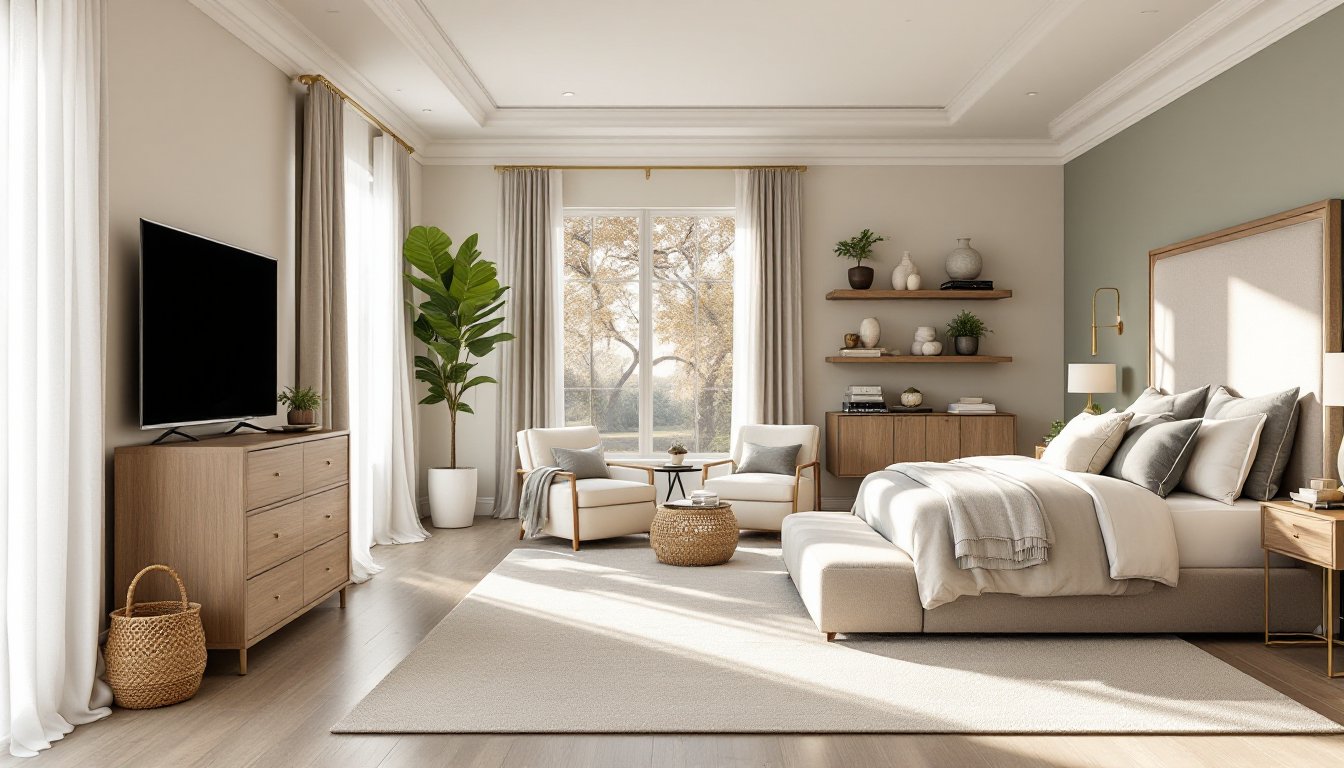
A fireplace and TV wall anchors the modern living room, it’s often the first focal point guests notice. The trick is making both elements coexist without one overpowering the other or the wall feeling cluttered and awkward. Today’s homeowners are moving beyond the “TV-above-fireplace” cliché toward smarter, more integrated designs that balance function, aesthetics, and livability. Whether you’re planning a full renovation or a strategic refresh, these seven design ideas show how to create a fireplace TV wall that actually works with your lifestyle, not against it.
Table of Contents
ToggleKey Takeaways
- Linear electric or gas fireplaces allow flexible TV placement to the side or above, eliminating the awkward stacked-TV-above-fireplace cliché in modern fireplace and TV wall designs.
- Choose a single dominant material—stone veneer, shiplap, or tile—and build your color palette around it to avoid a cluttered, overwhelming look.
- Floating shelves should be 10–14 inches deep and spaced in odd numbers with 18–24 inches of breathing room around the TV to maintain visual balance and prevent the wall from feeling busy.
- Smart electric fireplaces integrated with Alexa or Google Home let you control flame intensity, heat, and lighting remotely, enhancing both ambiance and functionality.
- Prepare surfaces thoroughly with moisture-resistant underlayment, prime bare wood with bonding primer, and allow materials time to acclimate—proper prep work separates a polished renovation from a DIY-rushed result.
- Select low-maintenance finishes suited to your lifestyle: honed or matte stone, sealed wood panels, or virtually maintenance-free tile are better choices than finishes requiring frequent touch-ups.
Contemporary Linear Fireplace Designs With Integrated TV Mounting
A linear or horizontal fireplace fundamentally changes how you can arrange your TV and living space. Instead of stacking the TV above the heat source, a linear ethanol or electric fireplace runs 4–8 feet wide along the wall at eye level, allowing you to position the TV to the side, above on a different zone, or even on a floating mount that doesn’t touch the wall with the fireplace.
Electric inserts like the Napoleon Allure or Touchstone models pull around 1,500 watts and mimic real flames without venting requirements, they’re 120V plug-in options that work in any room. If heat output matters to you (winter comfort, not just ambiance), a direct-vent gas fireplace (requiring a 3–4 inch vent to the outside) delivers 25,000–40,000 BTU and runs on natural gas or propane.
The TV can mount 18–24 inches above the fireplace opening, or offset to the side at the same height for an asymmetrical but intentional look. Mount the TV on a VESA-compatible bracket rated for your TV’s weight, most modern flat screens range 40–65 inches and weigh 15–50 pounds, well within standard wall-mount capacities. Allow 12–18 inches of vertical clearance above the fireplace to avoid heat damage to electronics. Concrete, shiplap, or stone finishes framing the fireplace add visual weight and help define the zone.
Minimalist Accent Walls: Stone, Shiplap, and Tile Combinations
A textured accent wall gives the fireplace and TV wall substance without visual noise. The goal is to choose finishes that complement, not compete, with your furniture and decor.
Natural Stone and Brick Finishes for Warmth
Stacked stone veneer (limestone, slate, or engineered faux stone) adds depth and warmth without the weight of solid masonry. Real stone runs 8–15 pounds per square foot: engineered veneer (lightweight composite) weighs 2–3 pounds per square foot, making it easier for drywall installation and lower labor costs. Dry-stack or mortared finishes both work, dry-stack reads more contemporary and modern.
Brick (real or thin-brick veneer) brings farmhouse-to-industrial vibes depending on color and mortar style. A charcoal or dark gray mortar with light brick feels current: traditional red brick with white mortar skews more established-home. Both are durable and require minimal maintenance beyond occasional resealing.
Prep is critical: ensure your drywall is secure, use moisture-resistant cement board behind any stone, and apply proper underlayment to prevent cracking. Stone and brick add 1–3 inches to wall depth, account for this when measuring clearance for floating shelves or TV brackets.
Modern Shiplap and Paneling Options
Shiplap (rabbeted wood boards that interlock edge-to-edge) has become shorthand for farmhouse, but modern shiplap, painted matte black, dark navy, or charcoal, reads contemporary. Install it horizontally or vertically with 2-inch or 3-inch boards (nominal width: actual width is about 1.5 or 2.5 inches). Paint or stain before installation to avoid drips, or finish after, either works if you mask off adjoining surfaces.
Board-and-batten paneling (vertical boards with narrow cover strips) is another modern take. It’s less fussy than shiplap and photographs well in bright, open rooms. 3/4-inch lumber (actual 5/4-inch thickness) works best: fasten with 2-inch trim screws into wall studs, spaced 16 inches apart.
Avoid paint and stain failure by sanding to 120–150 grit, priming any bare wood with a bonding primer, and applying two coats of quality finish paint or stain. Wood expands and contracts with humidity: allow acclimation to your home’s environment (at least 48 hours) before installation.
Built-In Shelving and Storage Around Your Fireplace TV Wall
Floating shelves and built-in cabinetry frame the fireplace and TV, adding function and visual symmetry. Standard floating shelf depth is 10–14 inches: anything deeper looks overstuffed and collects dust. Span between studs (16 inches on center) or use heavy-duty floating shelf brackets rated for 50+ pounds to accommodate décor, books, and speakers.
Asymmetrical shelving (wider on one side, narrower on the other) feels more current than dead-center symmetry. Group shelves in odd numbers (three, five) and leave 18–24 inches of breathing room around the TV screen, your eyes need negative space.
For higher heat zones (directly above or beside a wood fireplace), use metal or sealed-wood shelving only: avoid particle board or untreated plywood. A gas or electric fireplace produces less ambient heat, allowing more flexibility with shelf placement and materials.
If you’re building custom cabinets, use 3/4-inch plywood (birch or oak veneer) for structure and 1-by lumber (actual 3/4-inch thick) for frame-and-panel doors and shelves. Frame the fireplace opening with 2×8 or 2×10 headers (if load-bearing) or 2×4 studs (non-load-bearing, cosmetic framing). Cabinet heights should vary, mix 48-, 60-, and 72-inch units, to avoid a boxy, showroom look.
Smart Technology Integration for Modern Living
Today’s fireplace TV walls can manage lighting, temperature, and media from a single app or voice command. Smart electric fireplaces (Touchstone, Sideline, Regal) integrate with Alexa or Google Home, letting you adjust flame intensity, heat, and color tone remotely.
WiFi-enabled recessed lighting behind floating shelves or within stone cladding adds ambiance and can be programmed to change color (warm white for evening, cooler white for daytime). Install recessed lights at least 2 inches from studs to avoid fire hazard: use low-voltage LED transformers rated for the total wattage of your lights.
Hide TV cables and power cords in in-wall conduit or cable raceway, don’t rely on drywall alone to hide them. Run conduit from your TV bracket location down to a central outlet or low-voltage cut-out (usually 12 inches from the floor). Larger walls warrant an in-wall outlet box so you’re not reliant on extension cords visible at the base.
Mount your AV receiver, soundbar, or media streamer on open shelving or in enclosed cabinetry with ventilation. Receivers need 2–3 inches of air space above and below to prevent overheating. If you don’t already have cable/internet runs to that wall, running them before drywall patching is far easier than fishing them through finished walls later.
Color Schemes and Materials That Work Best
Successful modern fireplace TV walls rely on a tight material and color palette. Start with a dominant finish (stone, shiplap, or tile) and build around it.
Warm neutrals (greige, warm gray, natural wood tones) pair well with charcoal or black accents. If you choose a lighter stone or brick, a matte black TV frame or fireplace surround creates contrast without coldness. Conversely, warm wood paneling reads best with white shelving and chrome or brass hardware.
Dark accent walls (navy, charcoal, deep emerald) demand good lighting. Uplighting behind floating shelves or under-cabinet task lights prevent the wall from feeling like a cave. A 3000K color temperature (warm white LEDs) feels cozier than 5000K (harsh white).
Tile options have exploded, from subway tile (classic, timeless) to larger format tiles (12×24, 18×36) that feel expensive and minimal. Vertical running-bond (staggered offset) or herringbone patterns add motion without noise.
Maintenance matters: sealed stone requires yearly resealing: shiplap and wood panels need touch-up paint every few years: tile is virtually maintenance-free. Choose finishes you’ll actually care for, not just admire in design magazines. A matte or honed finish on stone hides fingerprints better than polished, and textured materials feel warmer than smooth ones. Consider your lighting, existing flooring, and furniture before committing, live with samples for a few days if possible.
Bringing It All Together
Building a modern fireplace TV wall is equal parts planning and execution. Start by deciding whether your fireplace is functional or decorative, as that shapes material choices, ventilation, and safety clearances. Linear electric or gas fireplaces offer more flexibility than traditional vertical builds, and built-in shelving around them creates both storage and visual interest. Pick a dominant material (stone, shiplap, or tile), stick to a tight color palette, integrate smart controls if you want them, and don’t skip prep work, proper substrate, ventilation, and fastening are what separate a polished renovation from one that looks DIY-rushed. Take your time with the design phase: living with samples and sketches beats expensive do-overs later.